Mercedes GLS 2026/2027: Facelift brings more tech, luxury and an old size problem
The revised Mercedes GLS remains a huge luxury SUV with three rows of seats. New light signatures, more modern infotainment and, depending on the market, a more powerful V8 improve the package, but do little to change the question of where a car of this size really makes sense.
A facelift for the largest Mercedes SUV
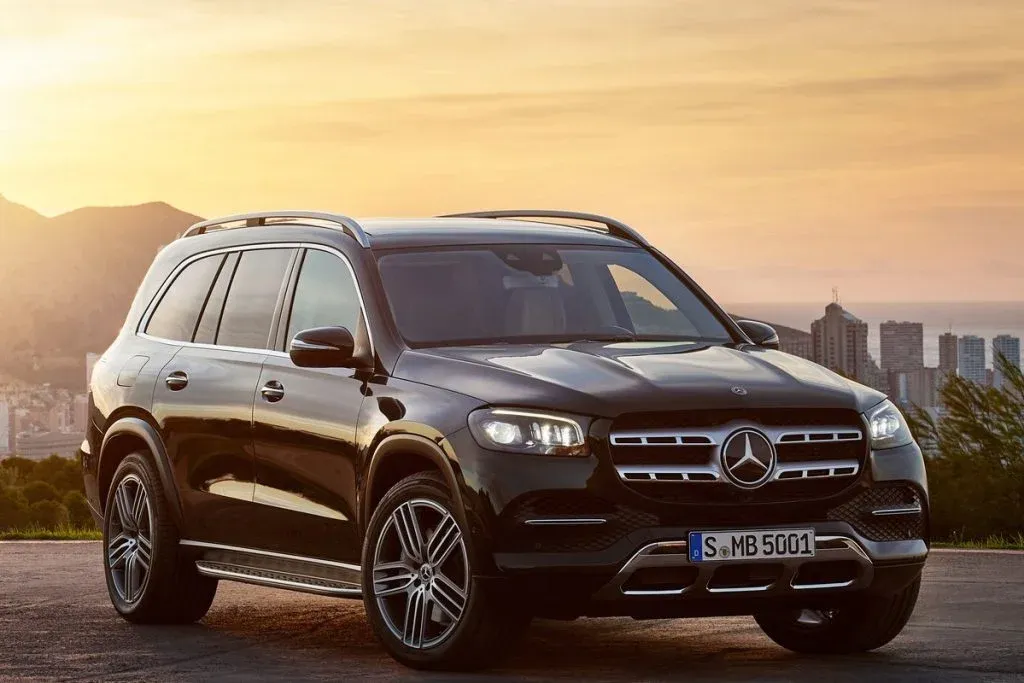
The Mercedes GLS is entering the next round with an extensive model update. Depending on the market and classification, the update is listed as model year 2026 or 2027; in terms of content, it is about the same basic idea: Mercedes is modernizing its largest SUV without reinventing the concept. The GLS remains a large, luxurious seven-seater that focuses above all on space, comfort, presence and long-distance capability.
For buyers, this is important because the GLS competes in a class where details determine the impression. Anyone spending six-figure sums on a luxury SUV expects not only space, but also up-to-date operating logic, high-quality materials, quiet powertrains and equipment that impresses in the rear as much as in the front. That is exactly where the revision comes in.
More striking front end, more light and plenty of star decor
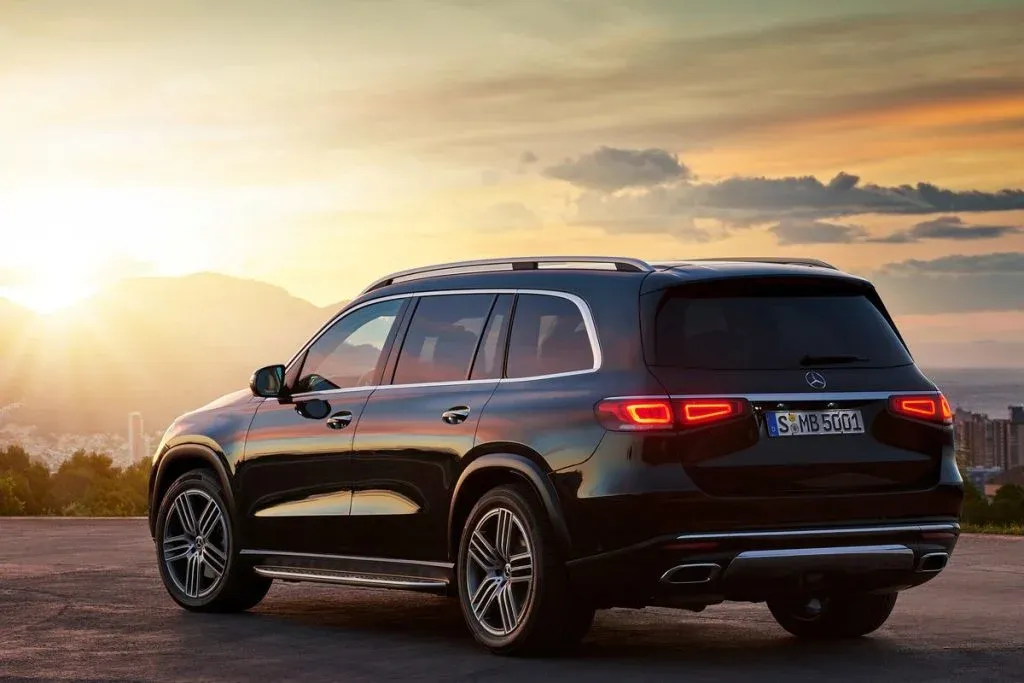
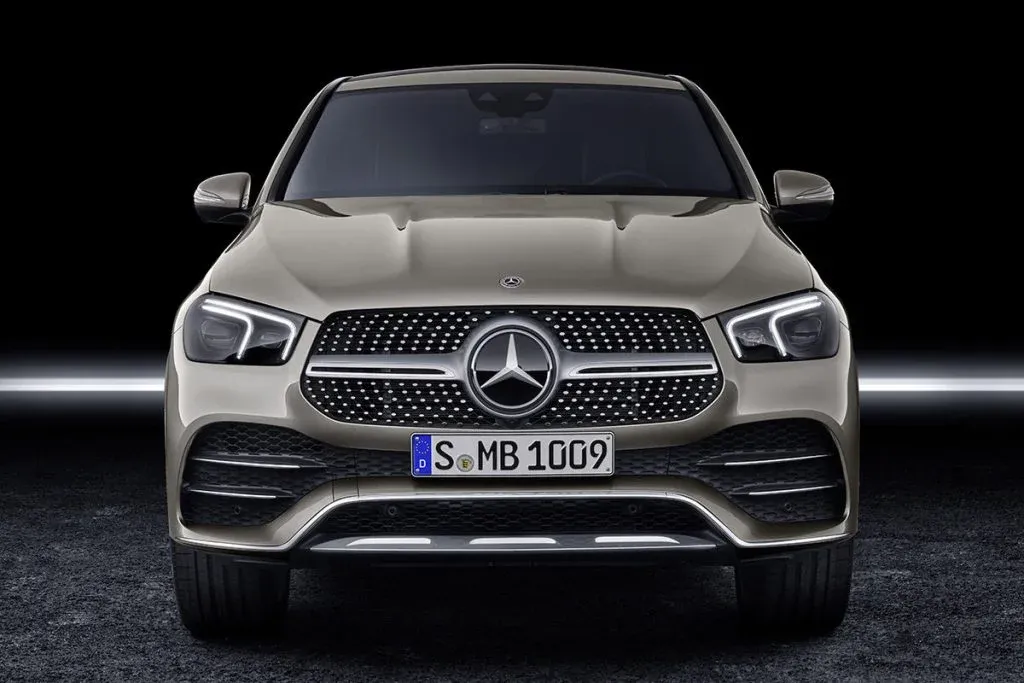
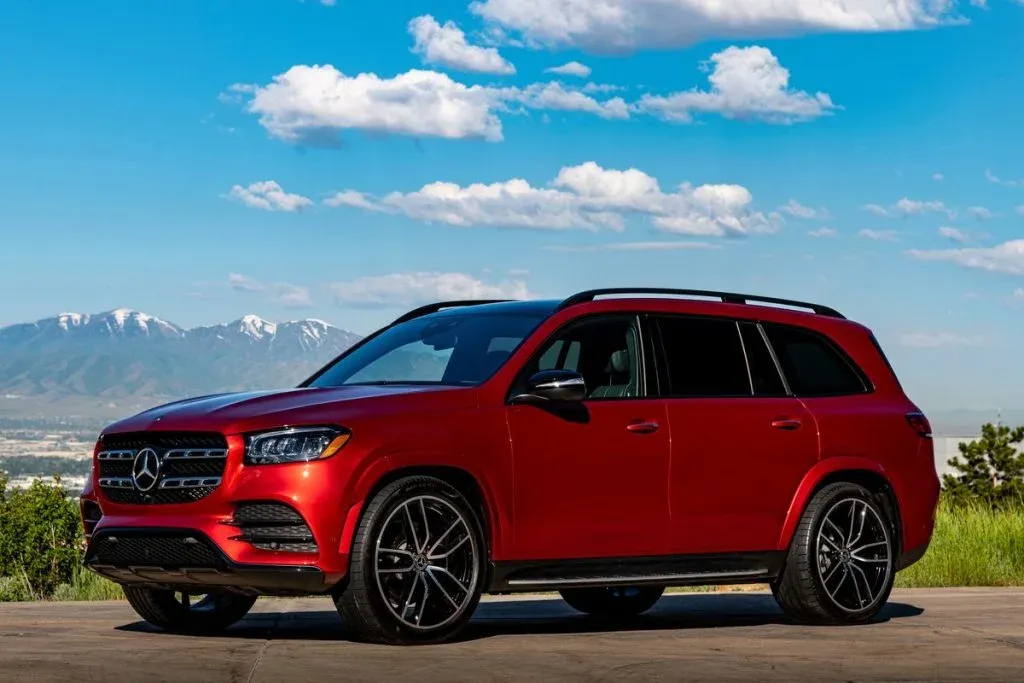
Visually, the GLS remains immediately recognizable as such. The proportions with a long hood, high beltline and large rear end do not change fundamentally. What is new above all is the more strongly staged front end. The grille, lights and individual trim elements appear more decorative than before. Especially on higher-equipped versions, Mercedes relies more heavily on illuminated details and star motifs.
That fits the positioning of the GLS: it is not meant to be understated, but to show luxurious presence. For some customers, that is exactly a purchase argument; for others, the design is likely to feel very extroverted by now. More technically relevant than the pure appearance are the revised lights and the updated assistance and infotainment environment, because they influence everyday life more than chrome and emblems.
Interior: more digital, but not completely stripped of buttons
In the interior, the modernized software takes center stage. The GLS gets a more up-to-date infotainment system that expands digital operation and makes the display look more modern. At the same time, an advantage remains that many drivers appreciate in large luxury cars: not all functions move exclusively into touch menus. Physical controls remain part of the cockpit for key tasks.
This is more than nostalgia. In a vehicle of this size, intuitive operation matters especially because drivers are often confronted with tight traffic, wide body dimensions and long journeys. If climate control, driving programs or important comfort functions remain accessible without deep menus, that is a real plus.
The equipment can be significantly more luxurious depending on the version. Comfort options with a stronger chauffeur character are available in the rear, and above the regular GLS, the Maybach variant moves even more strongly toward a luxury sedan on an SUV basis. This means Mercedes is addressing not only families, but also customers who are driven or place great value on rear-seat comfort.
New or revised V8: market offering remains decisive
There are differences in the powertrains depending on the region. For some markets, a more powerful and more refined V8 is mentioned, while other markets continue to receive a different engine portfolio. Caution is therefore needed when classifying it: not every engine version available in one market will automatically also be offered in Europe or the United Kingdom.
What matters is the direction of the model update. Mercedes wants the big gasoline engine to feel not only powerful, but also smoother and more assured. Especially in the GLS, a smooth-running V8 fits the vehicle philosophy, because the car is intended to be understood less as a sporty corner hunter and more as a comfortable long-distance car. Electrification plays a role through mild-hybrid technology and onboard electrical system functions, but in this segment it is not yet replacing the combustion engine across the board.
For buyers, this means: before placing an order, it is worth taking a close look at the local engine offering. Consumption, tax, towing capacity, availability and resale value can differ significantly between diesel, six-cylinder, V8, AMG and Maybach versions.
Ride comfort remains the core competence
The GLS is not a car that hides its size. Its weight, the high seating position and the wide body shape the driving experience. In return, it offers a kind of composure that smaller SUVs can hardly achieve. Comfort-oriented suspension, good noise insulation and powerful engines make long autobahn stages its natural territory.
This is exactly where the model’s appeal lies. The GLS is built for long distances, lots of luggage, several passengers and demanding comfort requirements. Anyone regularly traveling with family, business partners or a lot of equipment gets a vehicle that wants to be understood more as a rolling lounge than as a classic off-roader.
Enthusiasts should not make a mistake, however: even if AMG versions offer more power and a more direct presence, the physics of a very large SUV remain noticeable. Brakes, tires, chassis and assistance systems do a lot, but a GLS will never offer the lightness of a smaller performance SUV.
The size problem remains – especially in Europe
The central criticism does not change with the facelift: the GLS is huge. On wide US roads, in large garages or on representative long-distance routes, it fits its surroundings much better than in tight European city centers. Parking garages, narrow country roads, old city centers and short parking spaces make the format demanding in everyday life.
That does not have to be an exclusion criterion, but it should be checked honestly before buying. Anyone who lives in a densely built-up city, often parks in underground garages or rarely transports more than four people would likely be served more practically by a GLE, an E-Class, an EQS SUV or another luxury model. Those, however, who are looking for space and status in the maximum format will continue to find one of Mercedes’ roomiest offerings in the GLS.
Why the update matters
The model update shows how Mercedes is positioning its large luxury models in a transitional phase. On the one hand, expectations of digital systems, lighting technology and rear-seat comfort are rising. On the other hand, there is still demand for large combustion-engine SUVs with long range, high towing capacity and classic luxury-class comfort.
For the industry, the GLS is therefore an interesting signal. While many manufacturers emphasize smaller electric models, there remains room at the upper end of the market for heavy, luxurious and high-margin SUVs. At the same time, the pressure is growing to make such vehicles more efficient, safer and easier to operate.
Conclusion
The revised Mercedes GLS is not being reinvented, but it is being refined in a targeted way. More digital technology, upgraded luxury details, a more striking look and, depending on the market, a more refined V8 strengthen its position in the upper SUV segment. Its greatest strength remains its enormous claim to space and comfort. Its greatest weakness remains linked to exactly that: in European everyday life, it is simply very large.
Anyone who really uses the space and can accommodate the format gets a composed luxury SUV with a more modern interior life. Anyone mainly looking for a prestigious everyday car should plan at least a test drive through their own city and into their own parking garage before ordering.