Electric Porsche 718 Boxster: Prototype Shows How Sporty the EV Successor Is Intended to Be
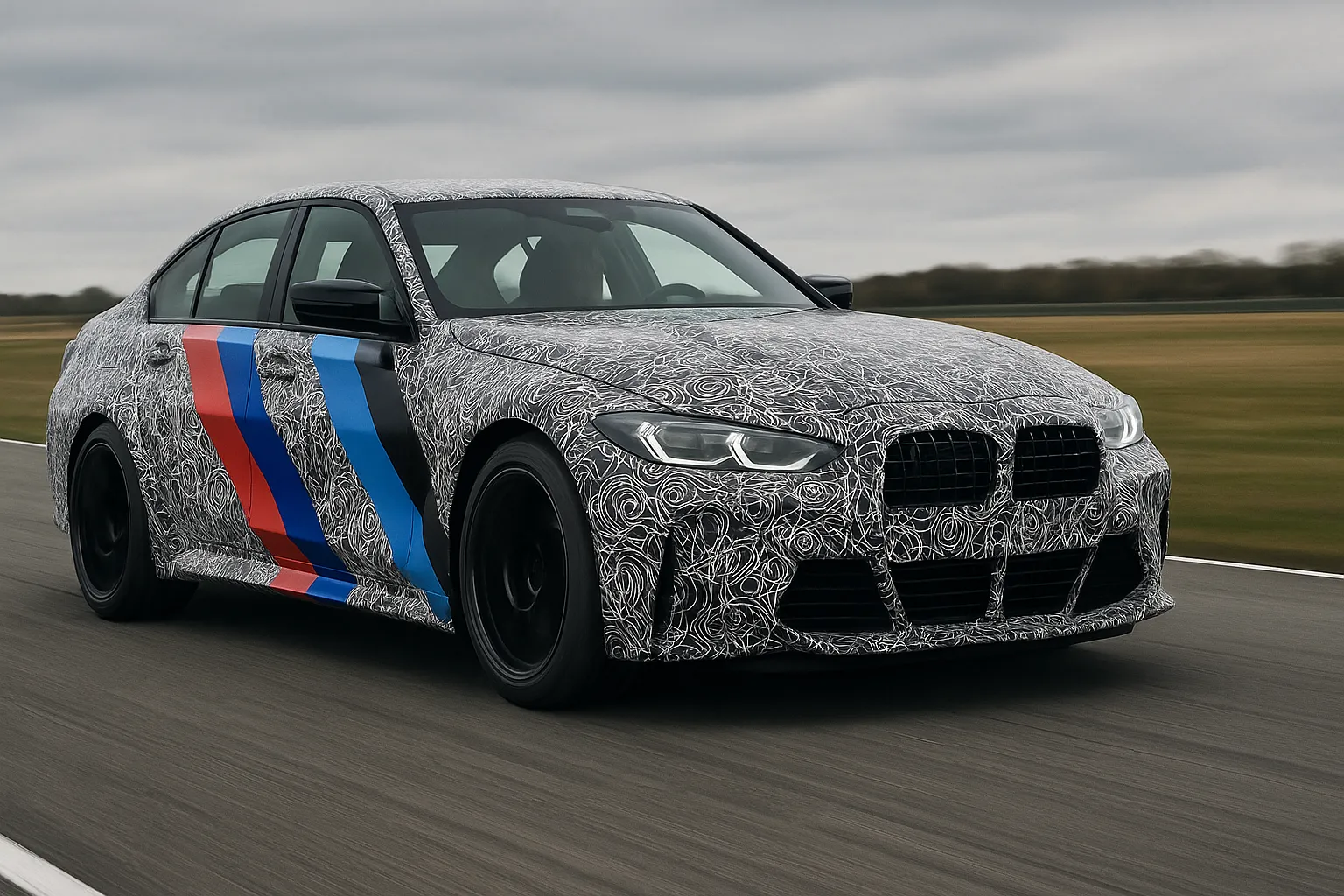
A ride in the early electric 718 hints at what Porsche is focusing on with the upcoming Boxster: a low seating feel, sharp turn-in, simulated gear changes and a driving experience intended to feel more like a sports car than a heavy electric car.

An Electric Boxster with a Clear Mission
The next Porsche 718 Boxster will be more than just another electric car for the brand. It is intended to prove that a compact, driver-focused mid-engine roadster can still feel like a real Porsche even without a combustion engine. A ride in a prototype on the test track in Weissach now gives an early impression of how Porsche is approaching this task.
The classification is important here: This is not a finished production car, nor is it a complete driving test from behind the wheel. Technical data such as output, battery size, range, charging power, weight, price and exact market launch dates are not yet finally known. Nevertheless, the prototype already shows which priorities Porsche is setting: immediate responses, a low seating feel, high cornering speed and a driving experience that is deliberately intended to feel more emotional than in many other electric cars.
No Normal EV Feel
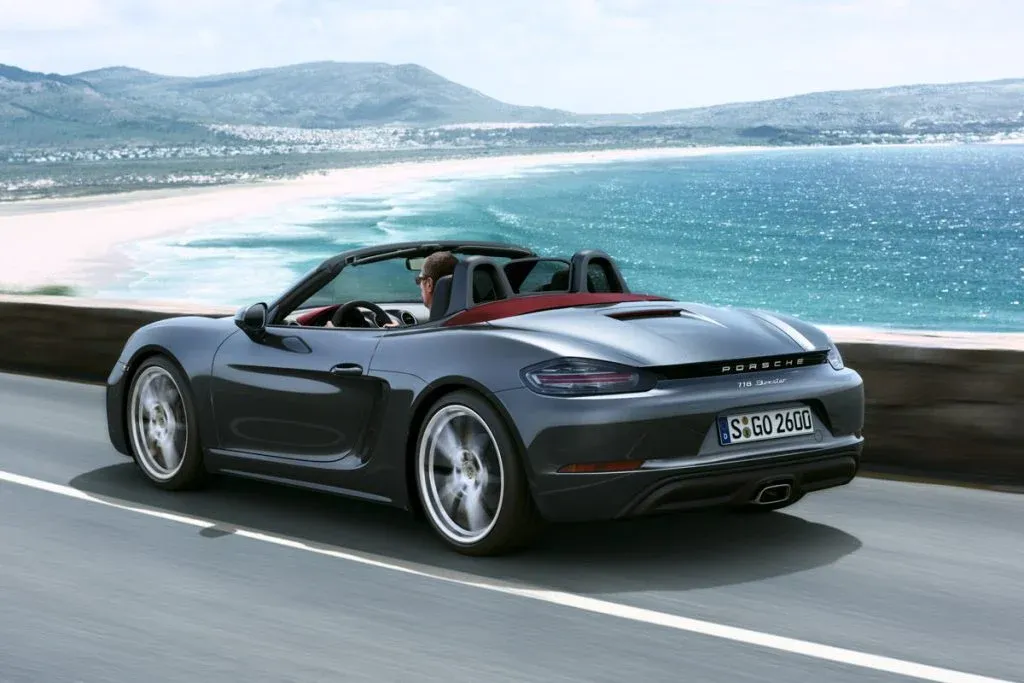
On the roughly 1.55-mile test track, what stands out above all is that Porsche is apparently working hard against the typical feeling of inertia found in heavy electric cars. The prototype is said to feel very direct when turning in, with little noticeable roll and a front end that responds quickly to steering inputs. That is crucial for the 718: The current Boxster and Cayman do not primarily live from brutal power, but from balance, feedback and the precise connection between driver, road and car.
The tire combination underlines the sporty approach. The prototype used narrower 20-inch wheels at the front and wider 21-inch wheels at the rear with Pirelli P Zero R tires. This points to a rear-biased setup that is also likely to play a central role in the electric 718. At the same time, the sizing shows that Porsche is already giving the roadster a serious performance setup in the prototype phase.
Simulated Gear Changes Instead of Silent Acceleration
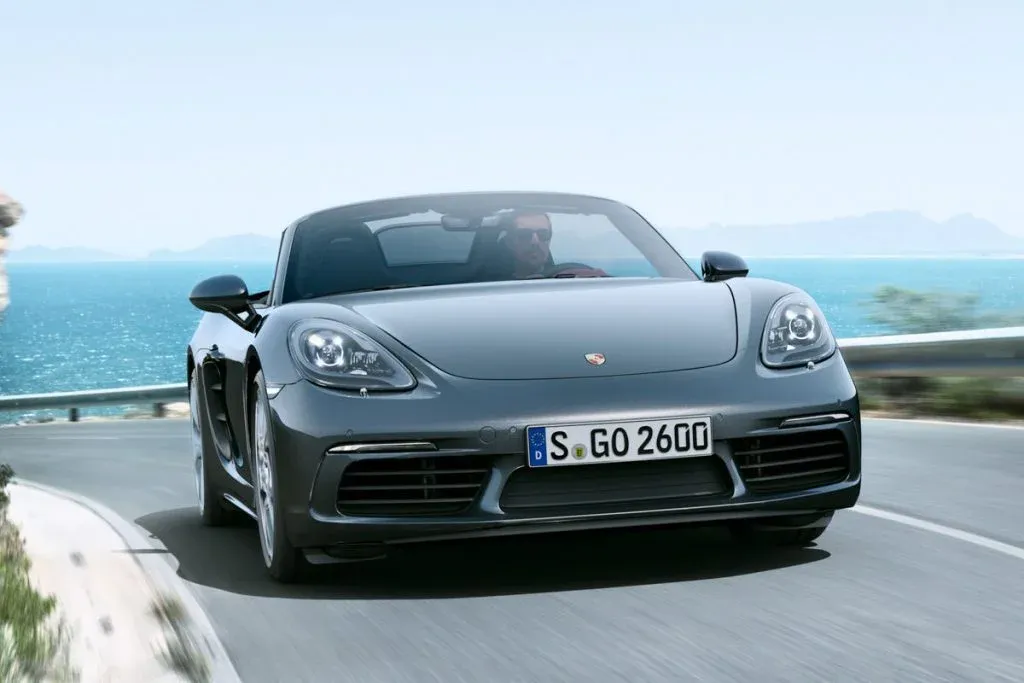
The presentation of the drivetrain is particularly interesting. The electric 718 prototype apparently uses artificially generated gear changes and a soundscape that is more reminiscent of a high-revving sports car than of a classic, almost silent electric car. Simulated gear changes can be called up via shift paddles; during deceleration and acceleration out of corners, this creates a rhythm that reminds many drivers of combustion-engine sports cars.
This is more than gimmickry. In compact sports cars, the feel for engine speed, load changes and gear selection is part of the experience. Electric drivetrains may deliver immediate torque, but in sporty driving they can feel clinical if acceleration consists only of a single, uniform surge. Porsche seems to have made a clear decision here: The electric 718 is not only meant to be fast, but also to offer a comprehensible sense of drama.
Whether these artificial elements will be standard, optional or configurable in the production car remains open. The decisive factor will be whether Porsche finds the balance. Too much simulation can feel fake; too little acoustic and haptic feedback could disappoint traditional Boxster drivers.
Why the 718 Is Particularly Delicate for Porsche
The switch to electric drive is more sensitive in the 718 than in many other model series. An SUV like the Macan can more easily conceal additional battery weight because comfort, space and everyday usability are in the foreground. A Boxster, by contrast, has to feel light-footed. Even small losses in seating position, steering feel, brake feel or balance would be noticed by regular customers.
Then there is the history. For decades, the 718 Boxster has been Porsche's entry-level model into the world of open-top sports cars. It is smaller, more direct and less expensive than a 911, but for many enthusiasts that is precisely why it is especially appealing. If Porsche successfully electrifies this character, it could significantly increase acceptance of electric sports cars.
For buyers, that means: The upcoming electric Boxster is unlikely to be a pure efficiency model. Anyone looking for maximum range, plenty of storage space and soft comfort is more likely to end up with other electric cars. The 718 is likely to continue to be intended for drivers who value driving dynamics, seating position and precision more highly than pure everyday usability.
Still Many Open Questions
Despite the promising ride, key points remain unanswered. The final weight is particularly important for the driving feel. Battery capacity will also be a balancing act: A larger battery brings range, but also mass. A smaller battery could improve handling, but would have to convince with high charging power and realistic range.
The brake tuning will be just as exciting. Sports car drivers expect a finely controllable pedal feel, while electric cars also use recuperation. Porsche has to combine both in such a way that fast laps, mountain passes and everyday traffic all feel equally natural.
The price is also likely to play a role. The electric 718 will hardly be an inexpensive car, and the technology could move it further away from the model series' earlier entry price. For Porsche, this is a strategic point: The Boxster is intended to attract new EV customers, but must not lose long-standing fans.
Significance for the Industry
The electric 718 Boxster is a touchstone for the entire sports car world. Many manufacturers are working on transferring emotional driving dynamics into the electric era. So far, electric cars often impress with acceleration, but less often with lightness, sound, feedback and playful balance. That is exactly where Porsche apparently wants to start.
If the production car delivers on what the prototype suggests, it could show that electric sports cars do not have to be defined only by power and lap times. For enthusiasts, that would be an important message: The end of the combustion engine in a model series does not automatically have to mean the end of the driving experience. For the industry, it would be an indication that software, sound design, drivetrain tuning and chassis work could in future be just as defining as cylinder count and displacement.
For now, the electric 718 Boxster is still a camouflaged prototype. But the direction is clear: Porsche does not want to build a silent, heavy roadster, but an electric sports car that deliberately appeals to the instincts of classic drivers. Whether that is fully achieved in the production model will only be decided once the final data are available and independent driving tests on road and track are possible.