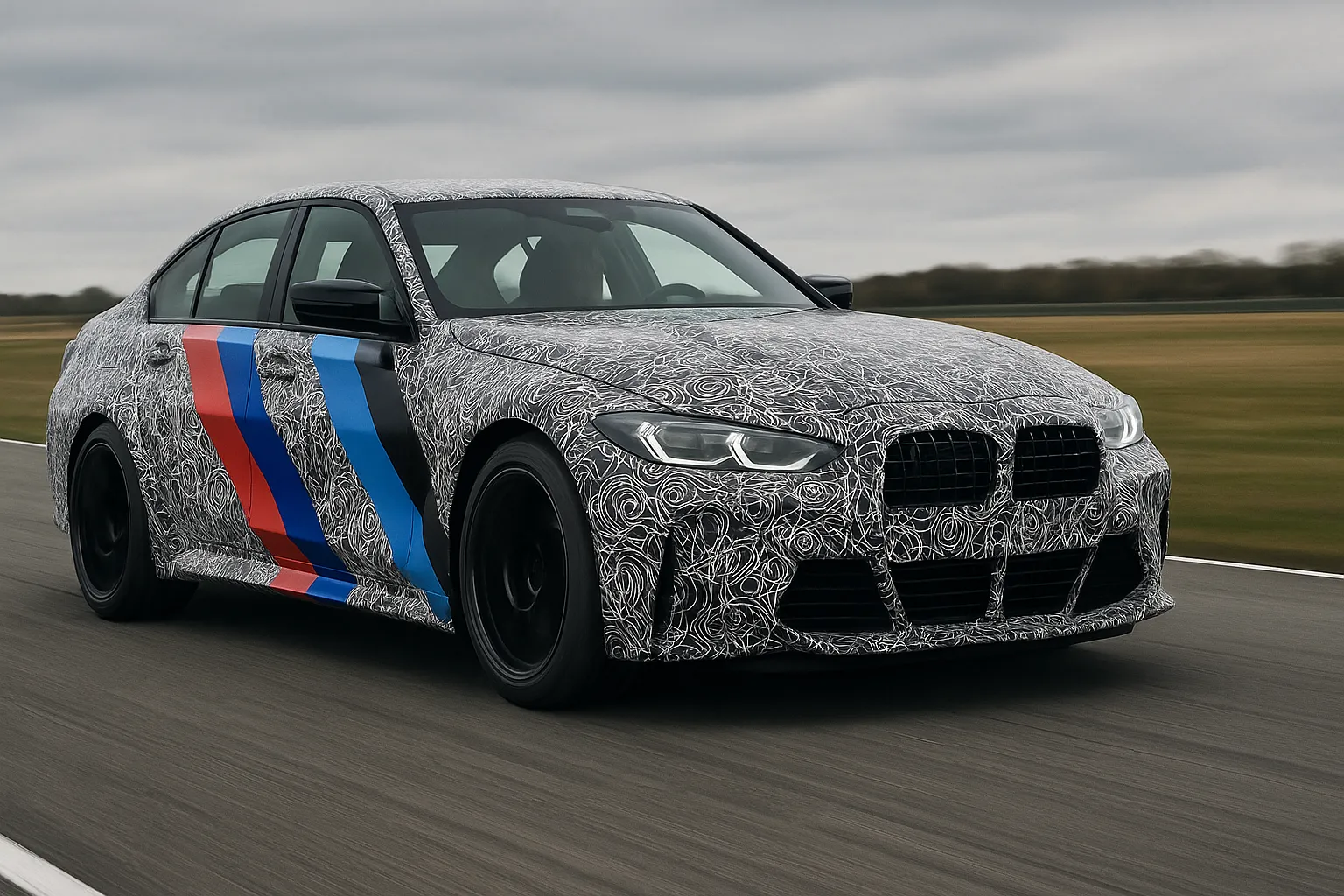
Porsche Mission S: New mid-engine supercar coming as a concept
Porsche will show the Mission S study on October 15. It is intended to hint at a future supercar positioned above the 911 and be part of a broader model offensive.
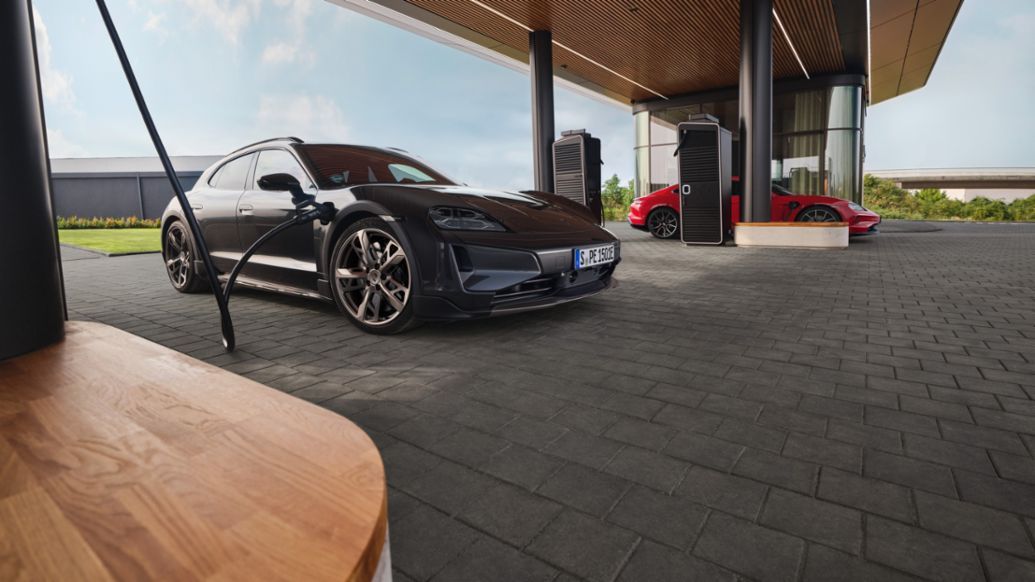
Porsche is preparing the next stage of its sports car hierarchy. The brand has confirmed the name Mission S for a new supercar study and named October 15 as the premiere date. The concept is intended to preview a mid-engine sports car that would be positioned above the 911, thereby moving into the role shaped in recent Porsche history by the Carrera GT and 918 Spyder.
This is therefore not just about another spectacular one-off for the auto-show and social-media stage. The Mission S stands for a strategically important question: How does Porsche define its technological and emotional top position at a time when electric powertrains, stricter CO2 requirements, fluctuating demand, and a stronger focus on high-margin luxury models are all influencing product planning at the same time?
Halo model above the 911
The 911 remains the core of the brand, but Porsche is apparently once again planning a vehicle that clearly ranks above it. The announced mid-engine architecture is decisive. While the 911 deliberately holds on to its traditional line with its rear-engine layout, a mid-engine concept allows different priorities: lower mass centralization, more freedom in aerodynamics and packaging, and a much clearer proximity to the classic supercar format.
Porsche is not referring to the Mission S as a production car, but as a study. That is important, because concept vehicles can hint at design, technology, and positioning without already defining all production details. Nevertheless, the message is clear: Porsche is developing a supercar platform that is intended to serve as the basis for a future mid-engine model. Whether and when this will become a customer vehicle remains open. Price, production volume, output, weight, and powertrain have also not yet been officially specified.
The positioning above the 911 is especially relevant for enthusiasts. Such a car would not simply be a more powerful 911 Turbo or GT3 RS, but an independent range-topping model. The predecessor role of the Carrera GT and 918 Spyder shows what that can mean: limited production numbers, high technological ambition, and a significant influence on the perception of the entire brand.
Powertrain: No clear decision yet
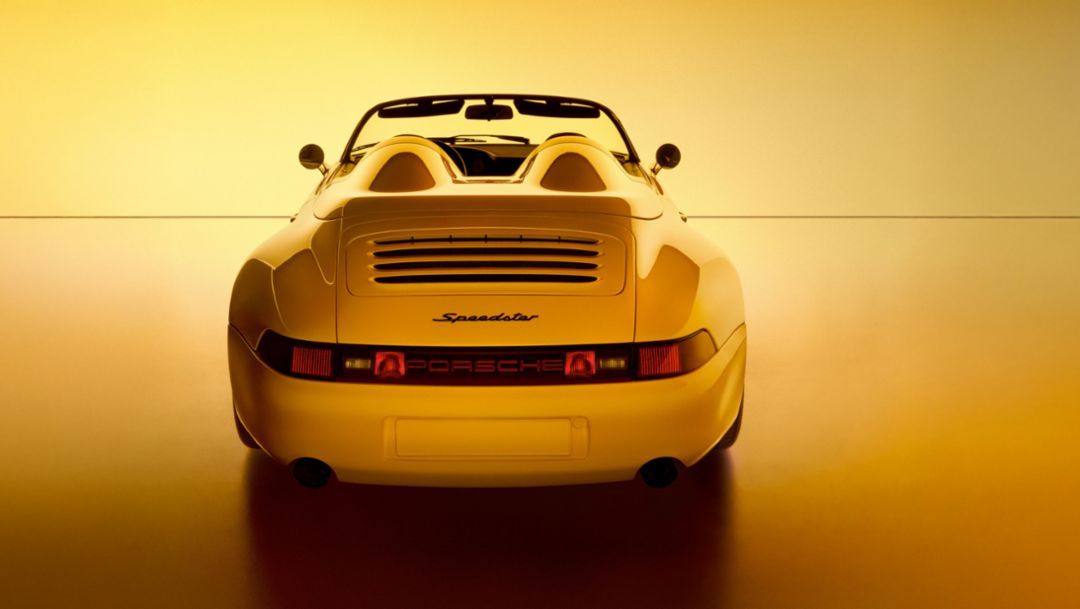
One of the most important open questions concerns the powertrain. Porsche has confirmed the Mission S as a mid-engine supercar study, but has not yet provided complete technical data. It is therefore currently not possible to say reliably whether the later production model would compete as a purely electric, hybridized, or combustion-engine vehicle.
This uncertainty is more than a side note. A combustion-engine or hybrid supercar would continue the tradition of the Carrera GT and 918 Spyder, while a fully electric model would position Porsche in direct proximity to new electric hypercars. At the same time, the brand is working on electrified sports car projects, including a successor to the 718 model line. The Mission S could therefore also show how Porsche wants to stage electric performance in a more emotional and exclusive way – if the study actually goes in this direction.
For buyers and collectors, this question matters greatly. Combustion-engine halo models are becoming increasingly rare because of regulatory changes, while electric supercars enable new performance figures but must meet particular demands in terms of weight, range on the racetrack, and charging behavior. Porsche must therefore not only deliver high peak performance, but also the driving feel that customers expect from a flagship model from Zuffenhausen.
Part of a larger model offensive
The Mission S is not appearing in isolation. Porsche is working on a broader renewal of its portfolio. This includes a large, seven-seat SUV as a new flagship, a mid-size SUV with a combustion engine as a supplement or successor in the Macan environment, and further electrified sports cars. This mix shows that Porsche is safeguarding its model range in two directions: emotional flagship products for image and technology transfer, and larger, high-margin everyday models for growth and profitability.
For the industry, this is noteworthy. In recent years, many manufacturers have focused almost exclusively on electric platforms and SUV growth. Porsche is now visibly pursuing a more flexible line. The company must serve markets in which electric cars are growing quickly, but also regions in which charging infrastructure, customer behavior, or regulation still leave room for combustion engines and hybrids.
A new supercar can serve as a beacon in this context. Such cars do not sell in large numbers, but they shape the brand. Technologies from areas such as aerodynamics, lightweight construction, battery management, chassis control, or high-performance brakes can later flow into broader model series. Even if only a few customers could buy a Mission S production version, other Porsche models may benefit in the long term from the solutions tested there.
Why this matters for buyers
For normal new-car buyers, a supercar above the 911 initially seems far removed. Nevertheless, the Mission S has practical significance. It shows where Porsche wants to move its design language, its technology priorities, and its brand positioning. Anyone buying a 911, Taycan, Cayenne, or Macan today is investing not only in a single model, but also in the direction of the brand.
If the Mission S were to put electric performance at the center, that would be a strong signal for the future of Porsche sports cars. If it were to rely on hybrid technology or a special combustion engine, Porsche would at the same time show that emotional powertrains can still play a role in small, exclusive series. In both cases, the study will help make the transition between tradition and new technology more tangible.
Owners of older Porsche models are also likely to take a close look. Halo vehicles often influence residual values and collector interest because they reframe the brand’s history. A convincing successor in the spirit of the Carrera GT and 918 Spyder could further strengthen interest in these predecessors. Conversely, a radically different approach will trigger discussions about how much change a Porsche range-topping model can tolerate.
What to expect on October 15
At the premiere, Porsche is likely to show above all the design, proportions, and conceptual direction. An extremely low silhouette, strongly shaped aerodynamics, and a clear distinction from the 911 are to be expected. Whether Porsche will already provide details on the platform, output, battery capacity, motorization, or production plans remains open.
What will be decisive is how binding the study feels. Some concept cars are purely design exercises, while others are already close to production. With the Mission S, the confirmed work on a supercar platform suggests that Porsche wants to show more than just a styling sketch. Even so, caution remains appropriate until the official unveiling: the name, date, and basic positioning are known, but the technical key data are not yet.
What is certain: With the Mission S, Porsche is announcing that the top of the model range could once again move more strongly toward an independent supercar. For fans, this is one of the most exciting Porsche news items of the coming years. For the industry, it is a sign that even in the age of electrification and SUV success, the classic halo car continues to play an important role.