Mercedes GLE revised: more technology, still plenty of comfort
The updated Mercedes GLE stays true to its line: not a complete fresh start, but a targeted update with a more modern interior, continued diesel offering, improved plug-in hybrid components, and a stronger focus on ride comfort.
A large SUV with fine-tuning instead of a restart
The Mercedes GLE is one of the established players in the premium SUV segment. With the latest revision, the model has not been reinvented, but sharpened in several key areas. Depending on the market and model year, the updated version is listed as the GLE 2026 or 2027; however, the technical classification remains the same: it is an extensive facelift of a familiar model series, not a completely new generation.
For buyers, that is precisely what matters. Anyone looking for a large, comfort-oriented SUV with the star still gets a familiar concept: plenty of space, high towing capacity and long-distance suitability, luxurious equipment, and a broad choice of powertrains. What is new above all are more digital functions, revised assistance and operating solutions, and improvements to the plug-in hybrid. At the same time, Mercedes is sticking with some things that many customers appreciate: there are still physical controls in the interior, classic luxury details, and — depending on the market — diesel versions as well.
Design: visibly updated, but not radically changed
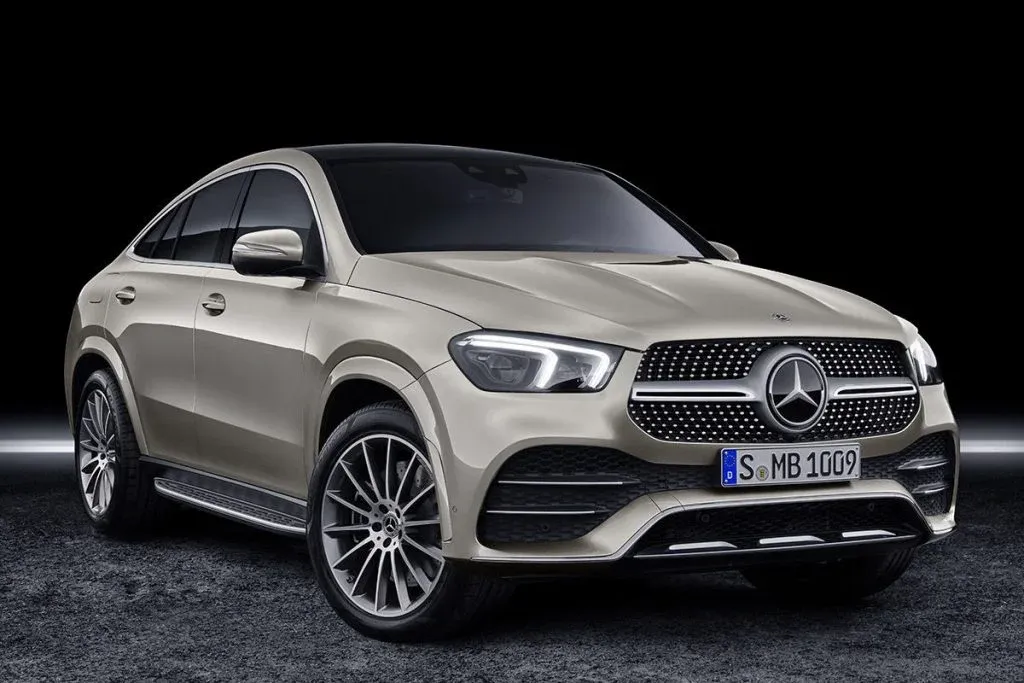
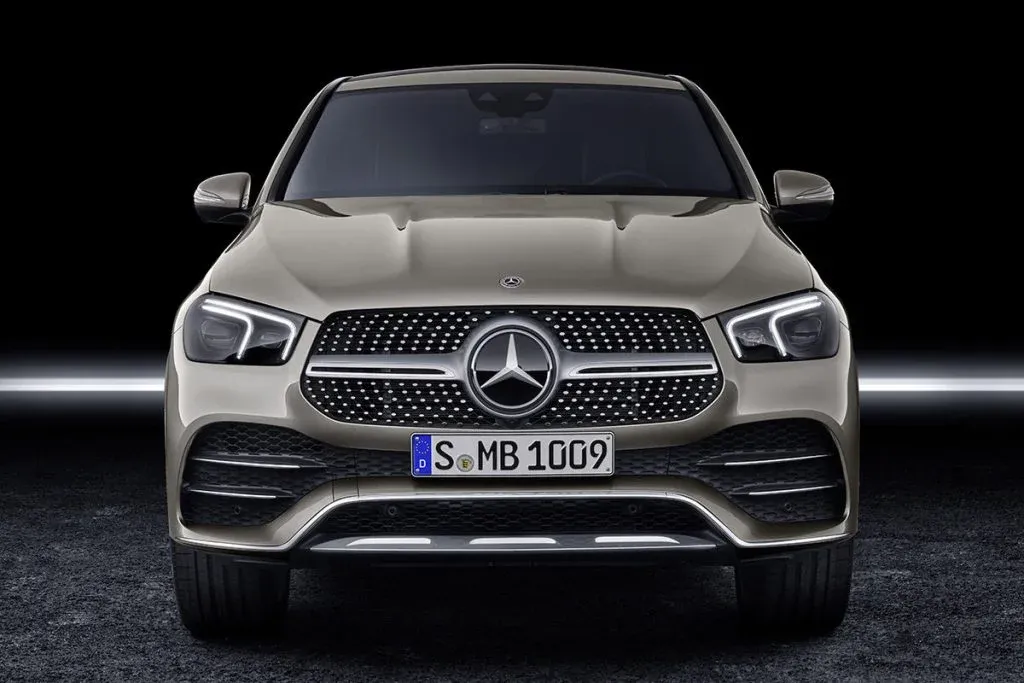
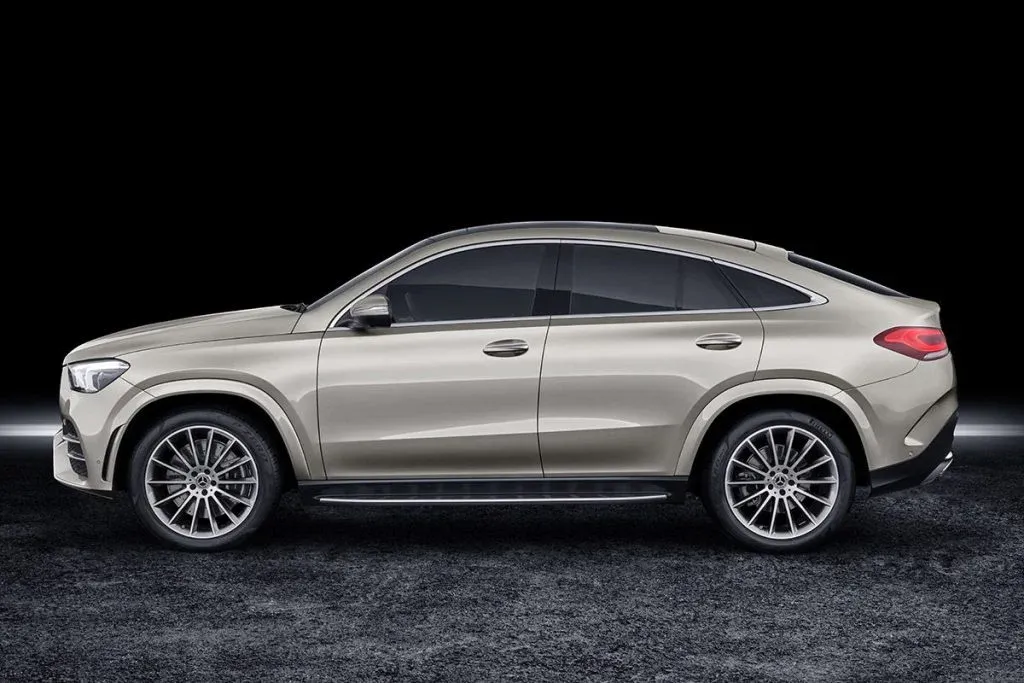
Visually, the GLE remains clearly recognizable as a Mercedes SUV. The revision brings new details at the front and rear, more brand-typical light signatures, and a more modern appearance. This is not a revolution, but the kind of model update intended not to scare off existing customers. Anyone who has been waiting for a completely new look may find the update restrained. By contrast, anyone who buys a GLE because of its dignified, rather conservative appearance should quickly feel at home.
The balance Mercedes is seeking here is interesting. Many competitors are now strongly emphasizing futuristic cockpits and very reduced control surfaces. The GLE is also moving more strongly toward digitalization, but it does not completely abandon classic operating logic. That suits the target group: many GLE customers use their car daily, on long journeys, with family, luggage, or a trailer. In such scenarios, the show effect matters less than operation that remains understandable even after years.
Interior: more screens, but not a pure touch concept
One of the most important advances is in the interior. The updated GLE receives a modernized infotainment and display environment. Larger or more strongly integrated screen solutions, connected services, and updated software are intended to keep the model competitive against younger rivals. At the same time, physical switches and buttons for key functions remain. This is an advantage in everyday use because climate, driving, or comfort functions do not have to be searched for exclusively through menus.
The material and comfort orientation also remains typical GLE. The aim is less sporty austerity than dignified luxury: comfortable seats, a quiet interior, high-quality surfaces, and an overall relaxed character. For buyers moving up from a smaller SUV or looking for a replacement for a large sedan, this is a central point. The GLE positions itself not only as a status object, but as a travel vehicle.
Powertrains: diesel remains, plug-in hybrid becomes more important
An important point for European customers is the continued availability of diesel powertrains. While some manufacturers are increasingly focusing their large SUV model ranges on gasoline, hybrid, or electric drive, the diesel remains relevant in the GLE lineup. For high-mileage drivers, company car users, and customers with regular trailer operation, this can be a strong argument. Especially on long journeys, a large diesel SUV still offers range, torque, and predictable running costs.
In addition, the plug-in hybrid is moving more strongly into focus. In the GLE 450 e, electrification has been deliberately further developed. The gasoline engine is larger than before, the electric motor works more powerfully, and the interaction is intended to feel more assured in everyday use. For buyers, this means: anyone who can charge regularly gets a large SUV that can handle short trips electrically or at least very efficiently, without sacrificing long-distance flexibility.
How large the fuel-consumption advantage actually is depends heavily on the usage profile. Plug-in hybrids only play to their strengths if they are charged consistently. Anyone who rarely uses the battery is mainly driving a heavy luxury SUV with additional hybrid technology. For commuters with a wallbox, an urban share of driving, and occasional long trips, however, the GLE 450 e is a sensible bridge between a conventional combustion engine and a purely electric car.
Ride comfort as a core competence
The most noticeable progress concerns comfort. The revised suspension tuning and connected chassis technology are intended to make the large SUV particularly composed. The GLE was never known as a particularly light or sharp-edged athlete, and that is exactly not its mission. Its strength lies in smoothing out bad roads, making long stages feel effortless, and isolating the driver from the outside world.
For enthusiasts, that may sound less emotional than a rear-biased sports car or a performance SUV with firm tuning. For most GLE buyers, however, it is decisive. A large premium SUV must not only accelerate, but also convey calm. If a vehicle of this size conceals its mass well while also riding in a relaxed manner, that is often more valuable in everyday use than a particularly aggressive driving mode.
Price and competitors: premium remains premium
The GLE remains an expensive car. Equipment, powertrain, and options can quickly drive the price significantly upward. At the same time, Mercedes is competing in a fiercely contested environment: Audi Q7, BMW X5, Volvo XC90, Range Rover Sport, and other large premium SUVs are courting similar customers. In individual markets, the price positioning compared with direct rivals may be favorable, but final comparisons depend on engine choice, equipment packages, and local taxes.
For buyers, therefore, the concrete configuration matters more than the base price alone. Comfort suspension, assistance systems, larger wheels, better seats, trailer hitch, sound systems, and design packages can significantly change the character of the GLE. Anyone ordering should not focus only on appearance, but plan a test drive with comparable tires and suspension equipment. Especially with large SUVs, wheels and suspension influence comfort more strongly than many spec sheets suggest.
AMG and the view toward the future
Parallel to the more civilian GLE family, the high-performance side also remains interesting. AMG versions of the GLE and GLS continue to rely on large engines, with a new V8 playing an important role for the brand's future performance models. This shows that Mercedes is indeed pushing electrification forward, but in the upper performance segment it is not yet completely giving up emotionally charged combustion engines.
For the industry, the GLE is therefore an example of the transition phase in the premium segment. Pure electric SUVs are gaining importance, yet large combustion engines, diesels, and plug-in hybrids remain in demand in many markets. Manufacturers must therefore serve several technical paths in parallel. This makes development and production more expensive, but it is necessary as long as charging infrastructure, customer profiles, and legal frameworks differ so much internationally.
Why the update matters
The revised Mercedes GLE shows how an established luxury SUV can be kept in the market without losing its identity. Mercedes modernizes the technology, infotainment, and hybrid drive, but retains comfort, classic usability, and powertrain diversity. This makes the GLE particularly interesting for buyers who are not looking for a radical change, but for a familiar premium product with contemporary equipment.
The facelift is likely to appeal especially to those who drive a lot, value quietness, and use a large SUV not primarily as a lifestyle object, but as a comfortable everyday and travel vehicle. The GLE remains costly, but the revision strengthens exactly the qualities for which many customers choose it: composure, long-distance comfort, variable powertrains, and an interior that becomes more digital without completely abandoning proven operation.