Lincoln Shifts Nautilus Production from China to the USA
The Lincoln Nautilus is set to no longer be built in China for North American customers in the future. The decision affects the brand’s most important SUV and could change supply chains, cost structure, and perception in the luxury segment.
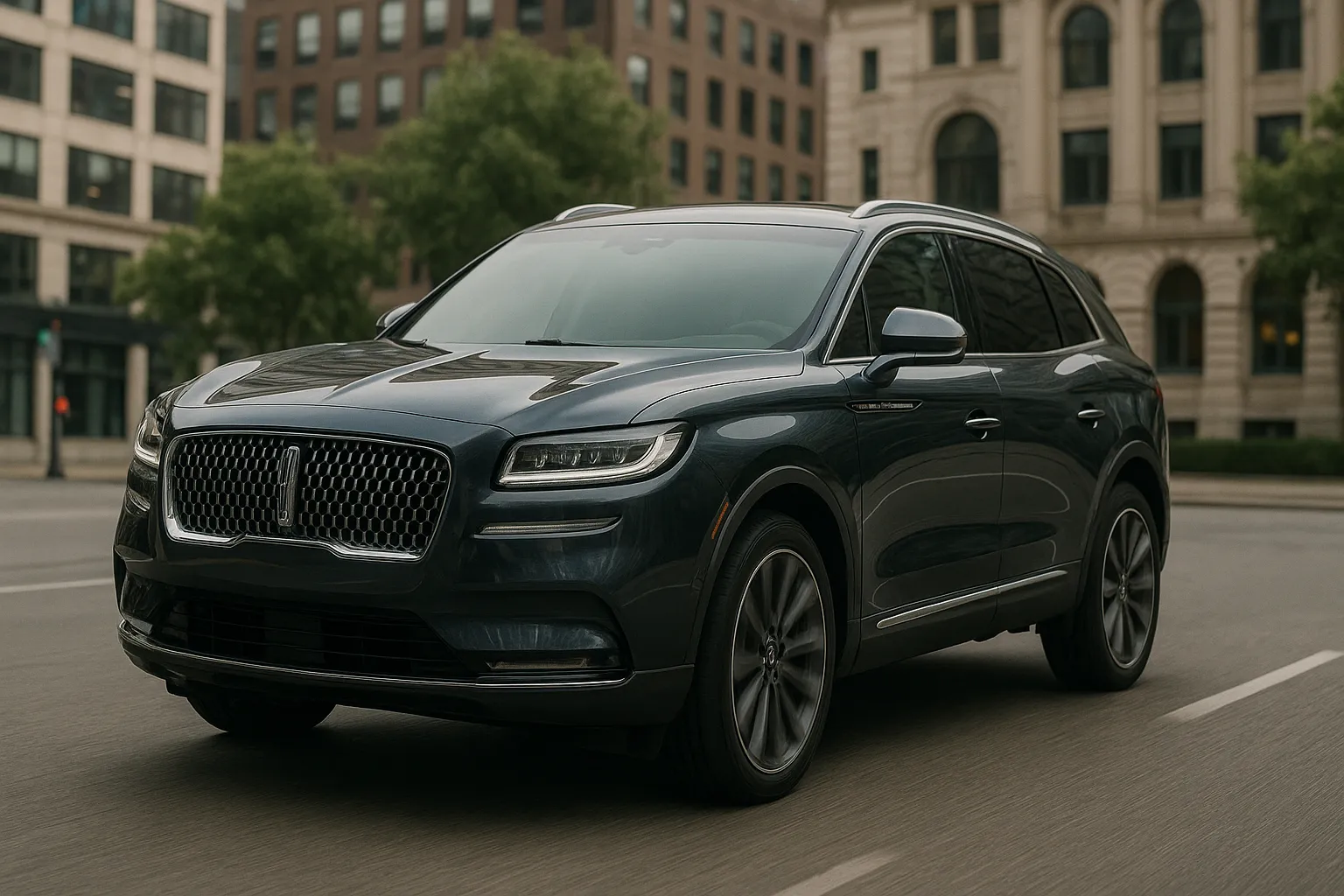
Lincoln is changing the production strategy for its most important SUV: The Nautilus for North America is set to no longer be built in China in the future, but in the United States. This brings a key model of the brand back to US manufacturing – a move that goes beyond a mere location decision.
The Nautilus is of particular importance to Lincoln. The midsize luxury SUV is one of the brand’s highest-volume model lines and plays a key role in the portfolio: larger and more prestigious than the Corsair, more suitable for everyday use and more accessible in price than the Aviator and Navigator. For many customers, it is the entry point into Lincoln’s more upscale world, with a great deal of comfort, a quiet interior, and a technology-heavy cockpit.
Why Lincoln is making the location change
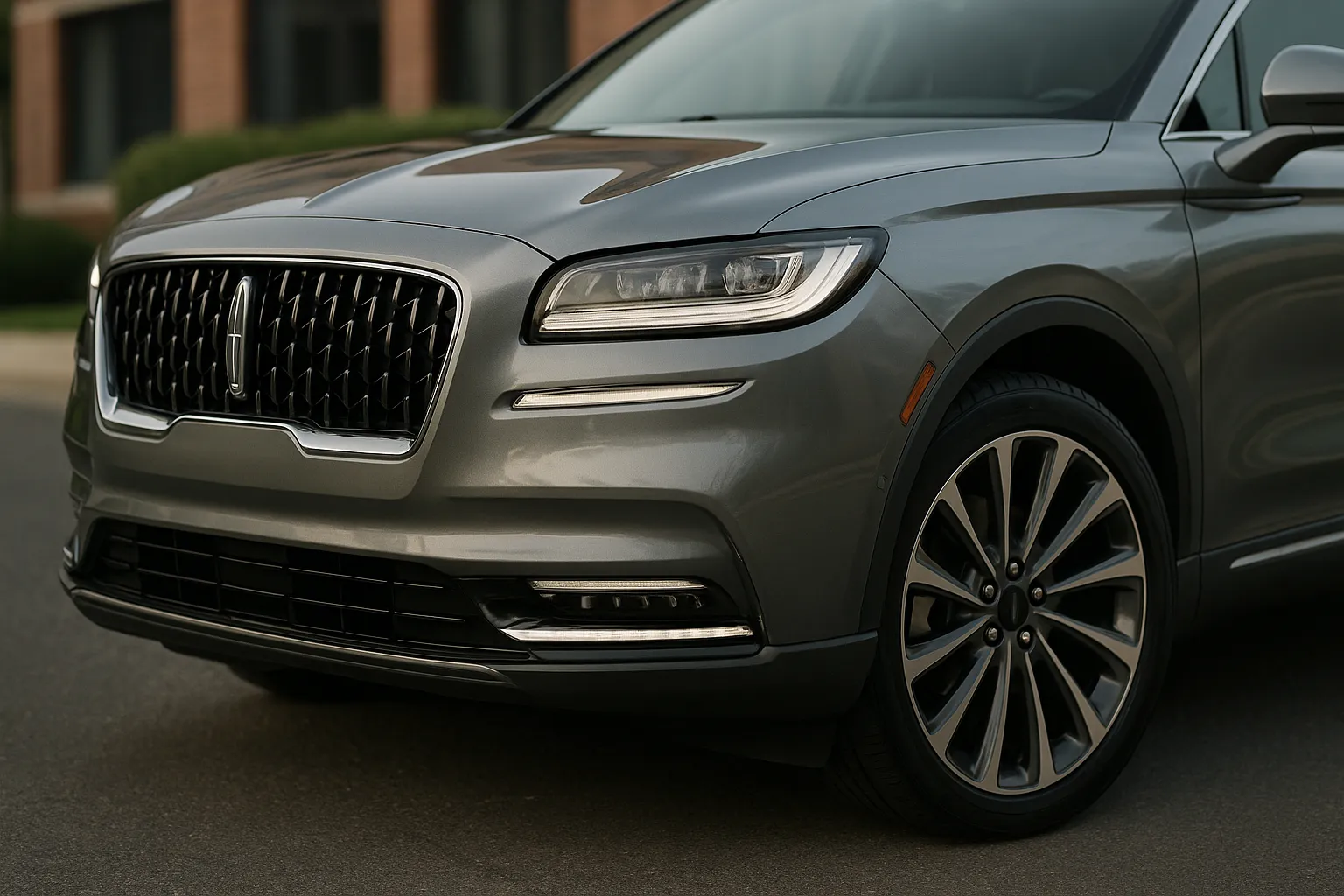
The previous setup was unusual for a traditional American luxury brand: The current Nautilus was imported from China for the North American market. While this fit a globalized production logic, it made the model more vulnerable to political, customs-related, and logistical uncertainties. Especially in recent years, automakers have increasingly paid attention to building important models closer to their core markets.
For Lincoln, the Nautilus’s most important sales market is in North America. US production can therefore bring several advantages: shorter transport routes, a potentially faster response to changes in demand, and less dependence on overseas routes. Perception also plays a role. An American luxury SUV built in the USA is easier to explain in showrooms than an imported model from China – even if quality and equipment do not automatically depend on the country of production.
Important details remain open. A specific production start, the responsible plant, the planned unit numbers, and possible changes to equipment or powertrain have not been specified. Nor has it been confirmed whether the change will have immediate effects on prices, delivery times, or model-year updates.
What could change for buyers

For car buyers, the most important question is not where a vehicle is theoretically built, but whether it is available, affordable, and reliable. This is exactly where the location change can become indirectly relevant.
Production in the USA could simplify the supply chain for North American dealers. Vehicles would no longer have to be transported across the Pacific, which can reduce time and costs. However, that does not automatically mean the Nautilus will become cheaper. Automobile prices depend on many factors: material costs, wages, exchange rates, tariffs, discounts, model mix, and positioning against competitors. Lincoln is also likely to be careful not to make the Nautilus appear to be a budget model, but to continue presenting it as a comfort-oriented premium SUV.
For customers who value a vehicle built in the USA, the Nautilus will become more attractive in the future. This can be a selling point particularly in the luxury segment, because brand image and origin play a greater role than with purely price-driven vehicles. At the same time, the production location should not be overvalued: The test drive, seating comfort, noise level, operating concept, dealer network, and long-term ownership costs remain more decisive.
Significance for Lincoln and Ford
For Lincoln, the Nautilus is more than just another SUV. In recent years, the brand has focused heavily on crossovers and SUVs. Traditional sedans no longer play a role; instead, models such as the Corsair, Nautilus, Aviator, and Navigator carry the entire product identity. If the Nautilus performs well, it stabilizes the brand in the important midsize luxury segment.
The relocation also fits a broader trend in the industry: Manufacturers are examining more closely which models they build in which regions. Political tensions, import tariffs, local subsidy rules, and volatile logistics costs have turned production locations into a strategic question. Especially with high-margin SUVs, it is logical to move production closer to large sales markets.
For Ford as the parent company, US production can also help make better use of capacity and strengthen the North American supply structure. However, the economic benefit depends heavily on how the group implements the project. A location change creates start-up costs, requires supplier adjustments, and can lead to transition phases in retail during the changeover.
The Nautilus remains a key competitor
In the market, the Nautilus competes against models such as the Lexus RX, Cadillac XT5, Genesis GV80, Acura MDX, and other upscale crossovers. Its profile is less sporty than that of some German competitors, but more strongly focused on comfort, interior quietness, and relaxed long-distance driving. The current Nautilus has also positioned itself as significantly more technical than earlier generations, with a large digital cockpit and a modern interior design.
A production change is unlikely to alter this character at first. Buyers should therefore not expect the Nautilus to automatically become a different car because of the move. More interesting is whether Lincoln uses the opportunity to adjust equipment levels, software, quality control, or model variants. Such changes would be more noticeable to customers than the assembly location alone.
What interested buyers should watch for now
Anyone currently looking to buy or lease a Nautilus should specifically ask the dealer about the production date, origin, delivery time, and available model years. During a changeover, vehicles in stock and newly ordered vehicles may differ. Residual values could also be influenced by market perception in the medium term, although this can only be assessed seriously after some time.
For existing owners, little changes at first. Warranty, service, and spare parts supply do not depend solely on the country of manufacture, but on the manufacturer and dealer network. What matters is that Lincoln organizes the transition cleanly and keeps spare parts and technical information for China-built Nautilus models available in the long term.
A location change with signaling effect
The return of Nautilus production for North America to the USA is not a dramatic model change, but it is a relevant industry signal. Lincoln is strengthening the connection between brand, main market, and production. For buyers, that could create more trust; for dealers, it could provide a simpler story on the sales floor; and for Ford, it could improve control over an important model line.
Whether this results in lower costs, shorter delivery times, or noticeable quality benefits remains open. What is clear, however, is this: At a time when supply chains, tariffs, and origin increasingly play into purchase decisions, the production location has once again become a real competitive factor. With the Nautilus, this development affects a model that is especially important to Lincoln – and that is why the transition will be closely watched.