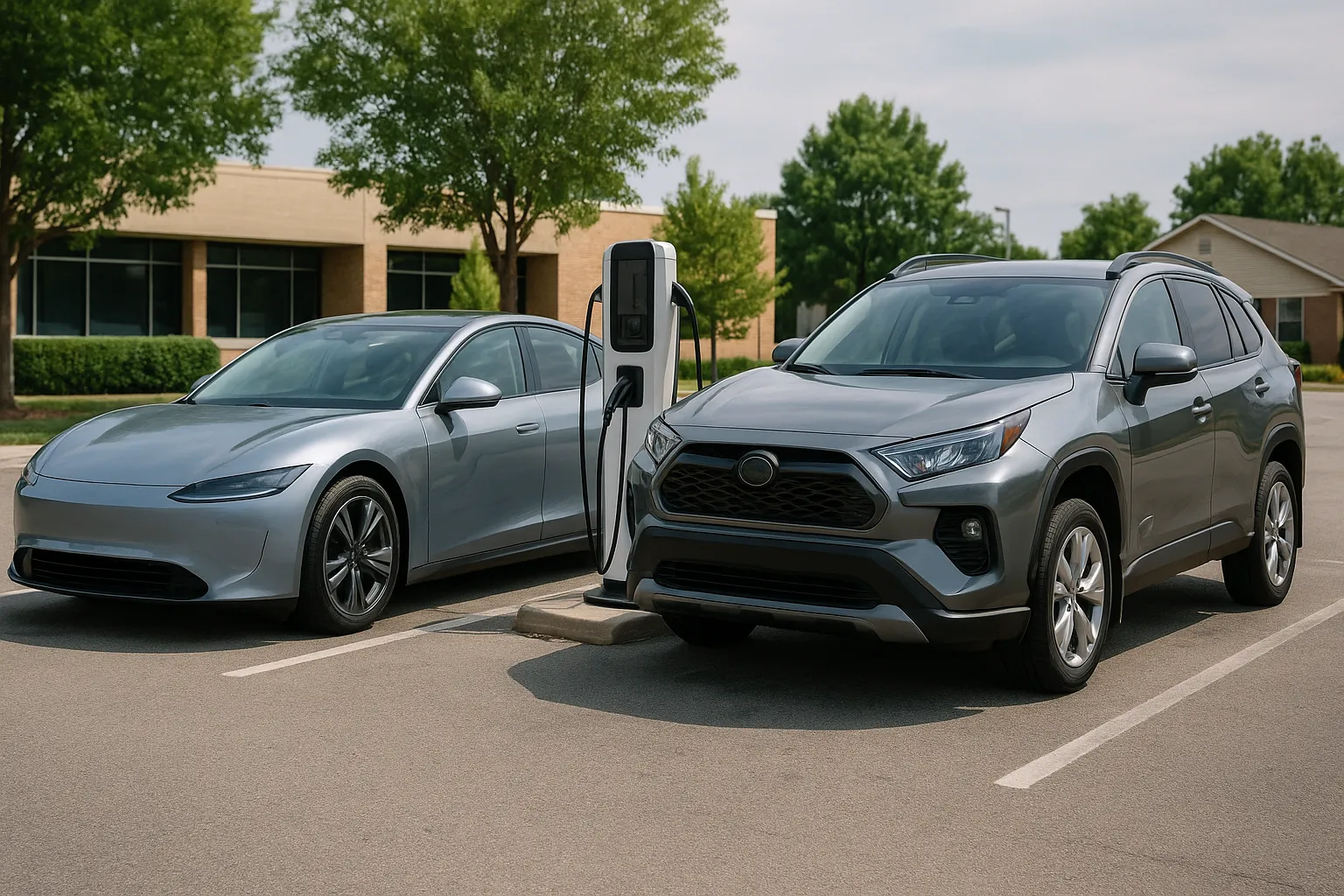
Tesla beats expectations in the third quarter, but loses ground in the US
Tesla performed better than expected in the third quarter. However, the 3.5 percent decline in US sales shows that its key home market is becoming more difficult.
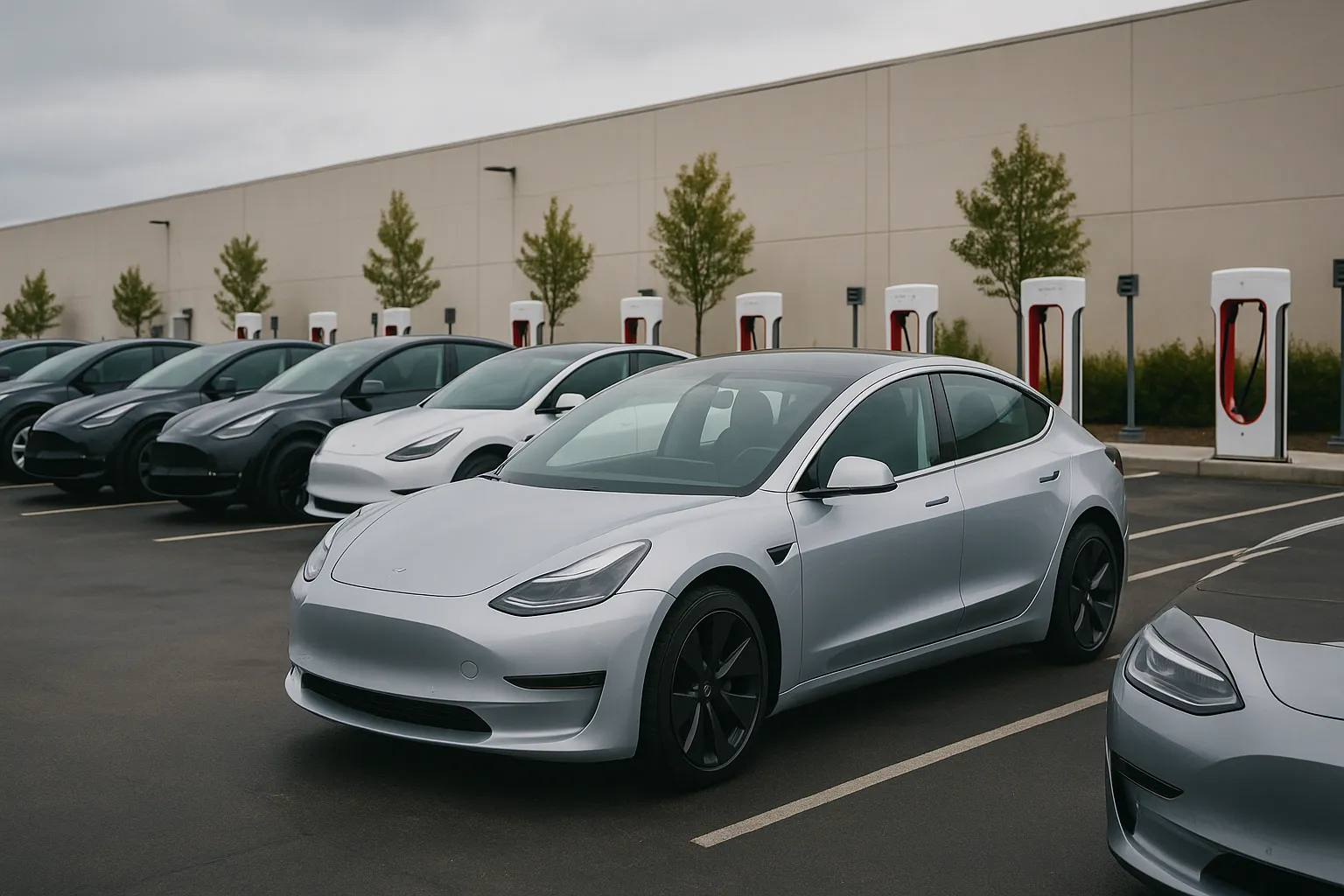
Tesla delivers more strongly than expected, but the home market slows it down
Tesla performed better in the third quarter than many market observers had previously expected. At the same time, a closer look at regional development reveals a weak spot: In the US, sales fell by 3.5 percent. This leaves Tesla with a mixed balance sheet. The company remains a central pace-setter in the electric car market, but even for the best-known EV manufacturer, growth in its home market can no longer be taken for granted.
For the automotive industry, this combination is important: A better-than-expected quarter points to a certain stabilization in demand for electric cars. However, the decline in the US indicates that the market is more mature, more competitive and more strongly shaped by price, financing costs, model age and regional purchase incentives than in previous years.
Why a decline of 3.5 percent matters
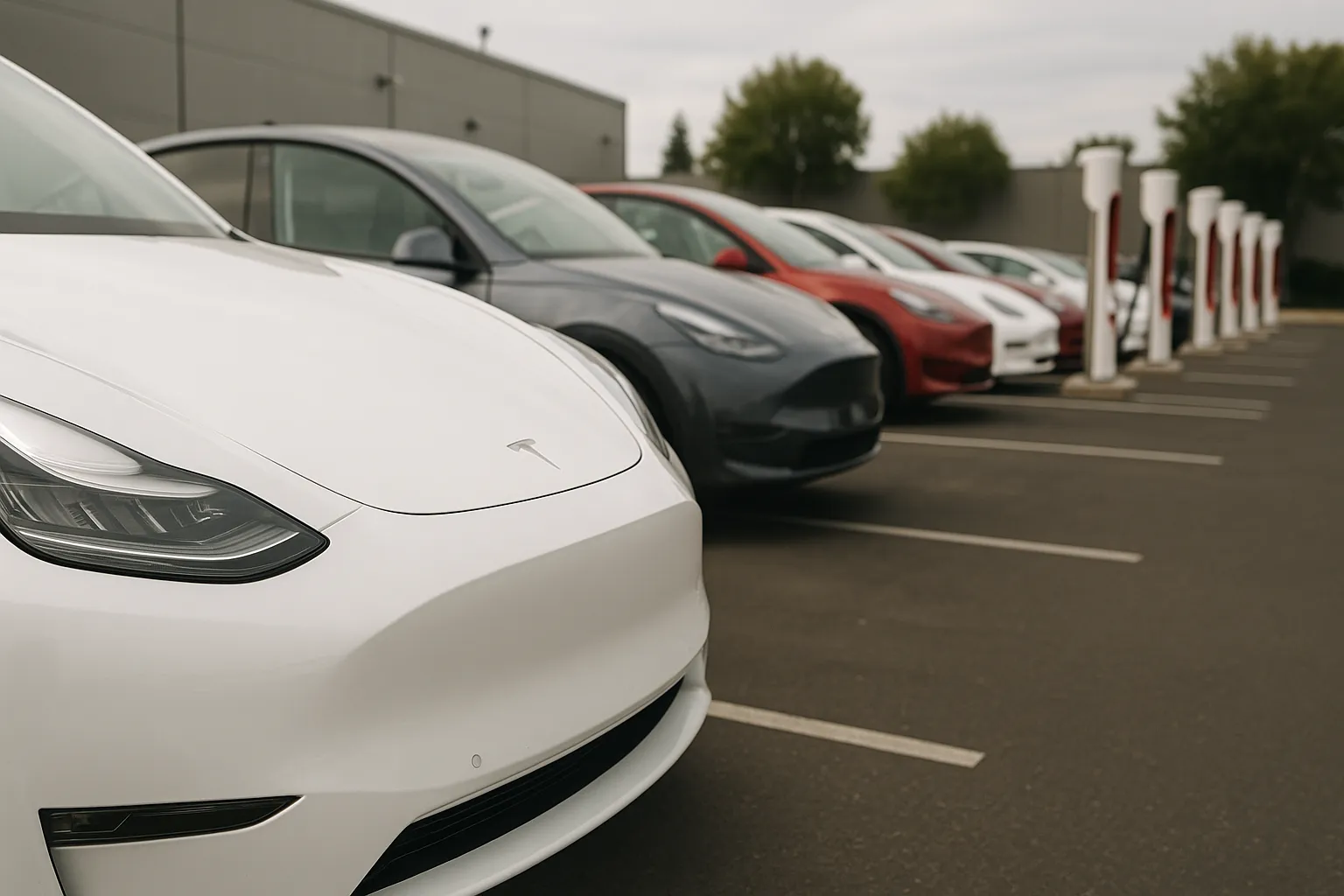
A decline of 3.5 percent sounds moderate at first glance. For Tesla, however, it is still noteworthy because the US has traditionally been one of the company’s most important individual markets. Tesla has built up a dominant position there over the years, especially with the Model Y and the Model 3. Both vehicles are volume models in many markets and shape the impression buyers have of the brand.
A decline in the home market does not automatically mean a crisis. But it shows that Tesla can no longer benefit solely from its early lead in range, charging infrastructure and software. Buyers are comparing more closely today: leasing rates, insurance premiums, charging access, interior quality, operating concepts and residual values play a larger role. At the same time, traditional manufacturers and new competitors have expanded their offerings. Many brands now offer electric SUVs, sedans and crossovers that compete directly with Tesla’s core models.
The development is also relevant for existing customers. If Tesla comes under pressure in individual markets, this can have consequences for prices, trade-in values and model updates. In the past, the company has repeatedly responded to shifts in demand with price adjustments. Such steps can please new-car buyers, while owners of older vehicles feel them in residual values.
Expectations exceeded: a signal of stabilization, not an all-clear
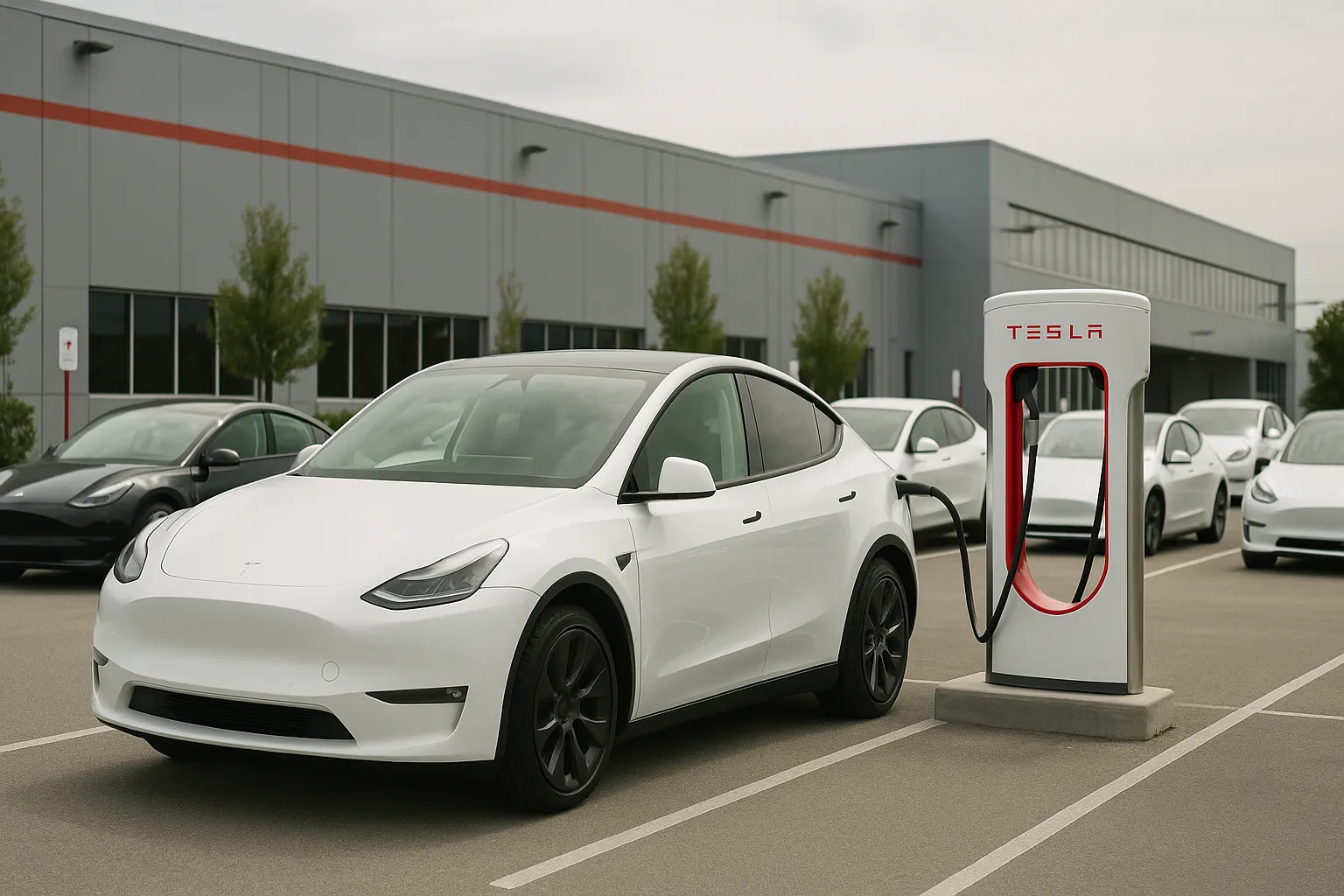
The fact that Tesla exceeded expectations in the third quarter is a positive signal for the industry. It suggests that demand was not as weak as previously feared. After several quarters in which discussions about slowing EV growth, price pressure and higher financing costs shaped sentiment, every robust quarterly figure is watched closely.
Nevertheless, the result should not be read as a simple return to previous growth rates. The electric car industry is in a transition phase. The market is no longer growing only through early technology fans and buyers with a high willingness to pay. Increasingly, everyday customers, fleet operators and price-conscious households are deciding the pace. These groups pay closer attention to total operating costs, practical range in cold weather, charging times on long journeys and whether an electric car fits into their own daily life.
Tesla continues to benefit from high brand recognition, a broad fast-charging network and a comparatively lean model range. At the same time, precisely this model range can become a challenge. Model 3 and Model Y remain strong, but in many markets they are no longer new products. Buyers who already own a Tesla may be waiting for larger updates, new body variants or more affordable entry-level models.
What this means for car buyers
For buyers, weaker US sales combined with solid quarterly figures can mean one thing above all: more competition for the customer. If Tesla loses momentum regionally, the pressure to make offers more attractive increases. This does not necessarily have to happen through list prices. Better leasing conditions, cheaper financing, software packages, charging offers or short-term delivery campaigns can also play a role.
Anyone currently looking for an electric car should therefore not focus only on the list price. What matters are the real monthly costs, expected value development, charging options in one’s own environment and equipment compared with competing models. Tesla remains an obvious choice for many buyers, especially if the Supercharger network and software functions are important. But alternatives have become more numerous, including electric SUVs and sedans from established manufacturers with traditional dealer networks, different operating concepts and, in some cases, extensive comfort or assistance packages.
For buyers of a used Tesla, the market can also become interesting. Falling new-car prices or special promotions can weigh on used-car prices; at the same time, they make vehicles such as the Model 3 and Model Y accessible to a larger target group. Anyone buying used should carefully check battery condition, warranty, software status, charging history and potential repair costs.
Consequences for owners and enthusiasts
Tesla owners often watch such figures for two reasons: vehicle value and product strategy. If sales decline in an important market, the company can introduce additional incentives or accelerate model updates. For enthusiasts, it is especially exciting to see whether Tesla responds more through software, efficiency improvements and production costs, or whether new variants and significantly fresher models move into the foreground.
The perception of the brand is also at stake. Tesla was long seen as an almost undisputed EV market leader. A regional decline does not fundamentally change that, but it shows that the brand has to compete more strongly for buyers. For fans, this can be positive if it leads to better products, faster development and more customer-friendly offers.
Significance for the industry
For competitors, Tesla’s quarter delivers two messages. First: Electric cars remain in demand when product, price and availability are right. Second: Even the strongest EV specialist is vulnerable when the market becomes tougher. Manufacturers that have recently formulated their electric strategy more cautiously will classify such figures carefully. A better-than-expected Tesla quarter argues against the thesis of a widespread collapse in demand. But the US decline shows that growth is not evenly distributed.
The industry is therefore likely to continue pursuing a two-track approach: cutting costs, simplifying platforms and at the same time offering models that are closer to the needs of normal buyers. Range alone is no longer enough. Interior quality, noise comfort, operation, charging planning, service experience and price stability are gaining weight.
A mixed but important signal
Tesla’s third quarter is neither a clear triumph nor a warning signal without context. The company exceeds expectations, but loses 3.5 percent in the US. It is precisely this tension that makes the figures relevant. They show an EV market that is not collapsing, but is becoming more mature.
For buyers, that is good news, because more competition usually brings better offers and faster product improvements. For owners, keeping an eye on residual values and pricing policy remains important. For the industry, the quarter is an indication that electric mobility continues to play a central role, but no longer grows solely through pioneering spirit and brand momentum. From now on, the classic automotive virtues count more strongly: a good product, suitable price, reliable service and convincing everyday usability.