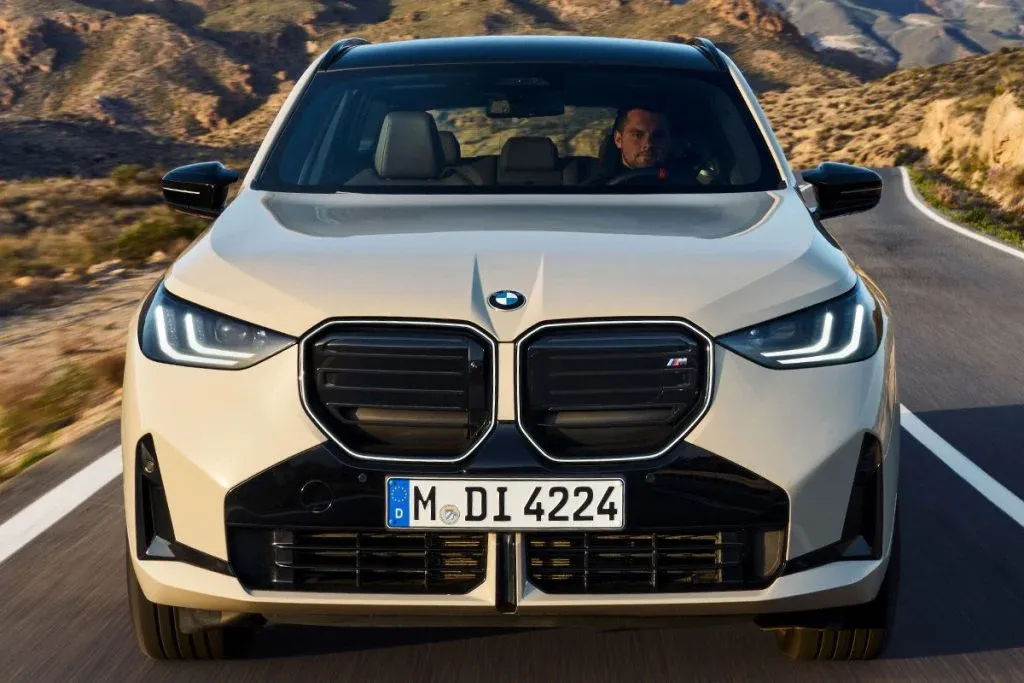
US electric car registrations fall in July, hybrids grow sharply
The latest US registration data show a shift in the new-car market: battery-electric cars lost noticeable ground in July, while hybrid models grew strongly. For buyers, this brings the question of range, incentives, charging access and total costs back into sharper focus.
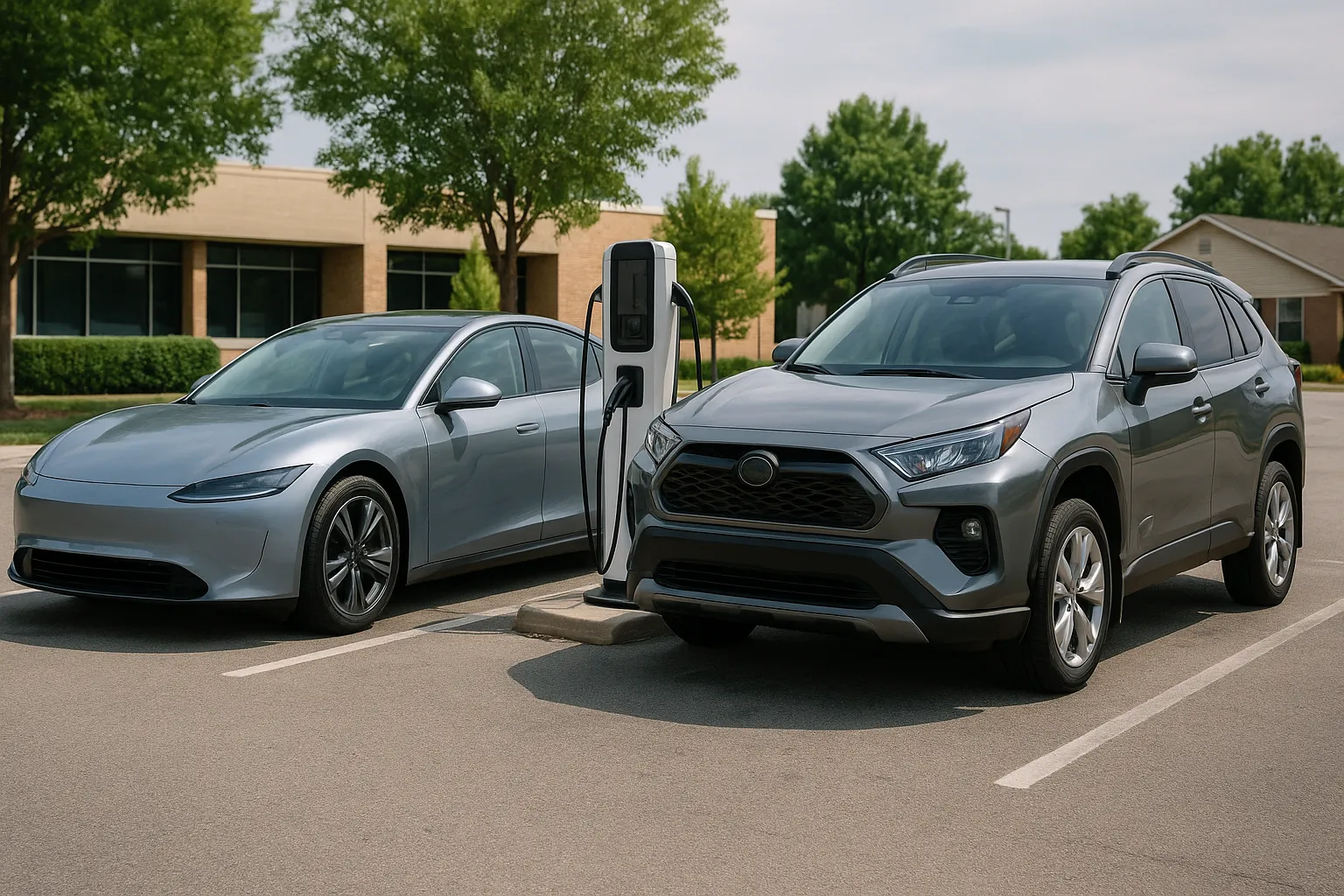
US market shifts visibly in July
The US new-car market sent a clear signal in the summer: pure electric cars faced a significantly tougher environment in July, while hybrid models made noticeable gains. The latest analyzed registrations show a decline of 31 percent for battery-electric vehicles. Hybrids posted an increase of 86 percent over the same period.
This is not proof that electrification in the US market is ending. But it does show that many buyers are currently weighing more carefully which type of powertrain suits their everyday life. After the expiration of important purchase incentives for electric cars, the price difference between pure EVs, conventional hybrids, plug-in hybrids and combustion-engine vehicles has become more visible again for many households. At the same time, charging infrastructure remains very unevenly developed depending on the region.
The metric is also important: registrations are not exactly the same as sales on the day the contract is signed. They reflect the market with a time lag and can be distorted by inventories, model changes, fleet purchases and incentive deadlines. Nevertheless, they are an important indicator because they show which vehicles actually get on the road.
Why hybrids are benefiting right now

The strong growth in hybrids fits into a larger trend. Many car buyers want lower consumption figures and lower operating costs, but are not yet ready to switch completely to a battery-electric vehicle. There are several reasons for this: no charging option at home, uncertainty about public charging points, long highway journeys, trailer towing or simply the desire for a familiar ownership experience.
A conventional hybrid requires no change in habits. It is refueled like a gasoline car, recuperates energy in city traffic and reduces consumption above all in everyday use. It is precisely this mix that is attractive to many buyers who want to drive more efficiently but do not want to accept charging planning.
Manufacturers such as Toyota focused on this demand early and offer hybrid powertrains in many model lines. Ford also uses hybrid variants as an important bridge, for example in high-volume models and commercial-vehicle-oriented offerings. For brands with a large share of SUVs and pickups, hybrids are particularly interesting because they can reduce consumption and emissions without greatly changing utility, range or refueling times.
Electric cars remain important, but purchasing becomes more rational

The decline in electric car registrations in July is above all an indication that the market is reacting more sensitively to price, incentives and model availability. In recent years, many EV purchases were supported by tax incentives, leasing promotions and falling financing costs. When such benefits become smaller or disappear, the calculation shifts.
For buyers, the hard factors then matter more: purchase price, leasing rate, insurance, electricity price, charging access, residual value and real-world range. An electric car can still be the cheaper choice, especially with a home wallbox, favorable electricity tariffs and a predictable commuting profile. Without home charging or with frequent long-distance journeys, the advantage is not always so clear.
In addition, many early EV prospects have already bought. The next group of buyers is often more pragmatic and less technology-driven. They expect simple operation, reliable range information, a good charging experience and competitive prices. For the industry, this means the market is no longer growing solely through enthusiasm and incentive programs, but through everyday usability.
Manufacturers respond with more powertrain diversity
The current registration trend explains why several manufacturers are adjusting their electrification plans. Pure electric platforms remain strategically important, but hybrids and so-called electric vehicles with range extenders are moving more into focus at the same time. Such concepts use an electric motor for propulsion, while a combustion engine can charge the battery while driving. For buyers, they promise electric driving in everyday life and additional range security on long routes.
However, these interim solutions are not an easy way out for manufacturers. They increase technical complexity and can raise costs, weight and maintenance requirements. At the same time, they can help introduce customers to electric driving without confronting them with full dependence on public charging infrastructure.
Something similar applies to conventional hybrid models. They are usually cheaper and easier to use than plug-in hybrids or pure EVs, but deliver a lower share of electric driving. Plug-in hybrids can be very efficient if they are charged regularly. Without charging, however, they often become heavy gasoline cars with limited benefit. That is why choosing the right type of powertrain depends heavily on the personal driving profile.
What buyers should consider now
Anyone looking for a new car in the USA or in a similarly structured market should not understand the registration trend as a blanket purchase recommendation. A hybrid is not automatically better than an electric car, and an electric car is not automatically cheaper than a hybrid. What matters is usage.
Commuters with their own home, garage and daily driving distance below the real-world EV range can still achieve very low energy costs with an electric car. Those who frequently drive long distances, have no fixed charging spot or live in a region with weak fast-charging coverage may be more relaxed with a hybrid. Families who own only one car should also check how vacation trips, winter range and charging stops fit into everyday life.
Timing can also be important. Falling EV registrations can prompt manufacturers and dealers to offer better leasing terms or discounts. At the same time, popular hybrid models may be less discounted or less available amid sharply rising demand. Buyers should therefore compare not only list prices, but concrete offers, financing costs, delivery times and expected residual values.
Significance for the industry
For the automotive industry, July is a warning signal, but not a change of direction back to pure combustion engines. Rather, demand shows that electrification is taking place at different speeds. Manufacturers that rely on only one type of powertrain risk sales problems in a fluctuating market. Brands with a broad range of EVs, hybrids, plug-in hybrids and efficient combustion-engine vehicles can respond more flexibly.
At the same time, this diversity increases development pressure. Companies must lower battery costs, improve software, simplify charging experiences and still deliver profitable hybrid offerings. Dealers must advise customers better because the right powertrain is no longer decided by vehicle size or price alone.
The strong growth in hybrids and the decline in electric car registrations show one thing above all: buyers accept electrification when it makes their everyday life easier or cheaper. Where price, charging access and range are not convincing, they are currently more often choosing the interim solution. For the next growth phase of pure electric cars, the decisive factor will therefore be less the fundamental question of whether customers want to drive electric. What will matter is whether the overall package of price, infrastructure and trust is right.