Honda accelerates next CR-V Hybrid after canceled EV projects
Honda is shifting more momentum to hybrid models in North America and bringing forward the next CR-V Hybrid generation. For buyers, that could mean more electrified choice without a charging obligation.
Honda puts the hybrid back more firmly in focus
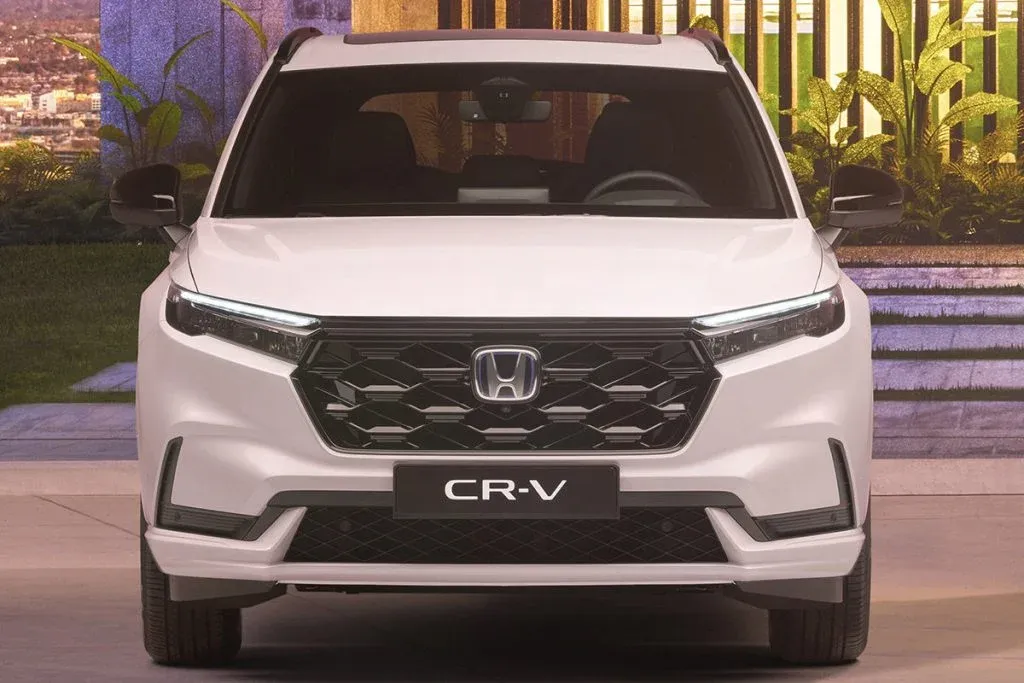
Honda is accelerating preparations in North America for the next generation of its hybrid models. At the center is the upcoming CR-V Hybrid, one of the brand’s most important volume models. The decision follows an adjustment to the electric-car roadmap, which also includes the cancellation of three EV projects. Honda is thus shifting its short-term focus away from a rapid expansion of purely battery-electric models and toward powertrains that many buyers already know: gasoline engines with electric assistance, but without a charging obligation.
For the market, this is more than an internal change of plans. The CR-V is one of Honda’s key models in North America and competes in one of the most contested segments of all. Compact and midsize crossovers are the standard choice for many families, commuters and fleet customers. If Honda brings the next hybrid generation into production faster, that could have noticeable consequences for availability, dealer inventories and the price positioning of electrified SUVs.
What is changing specifically
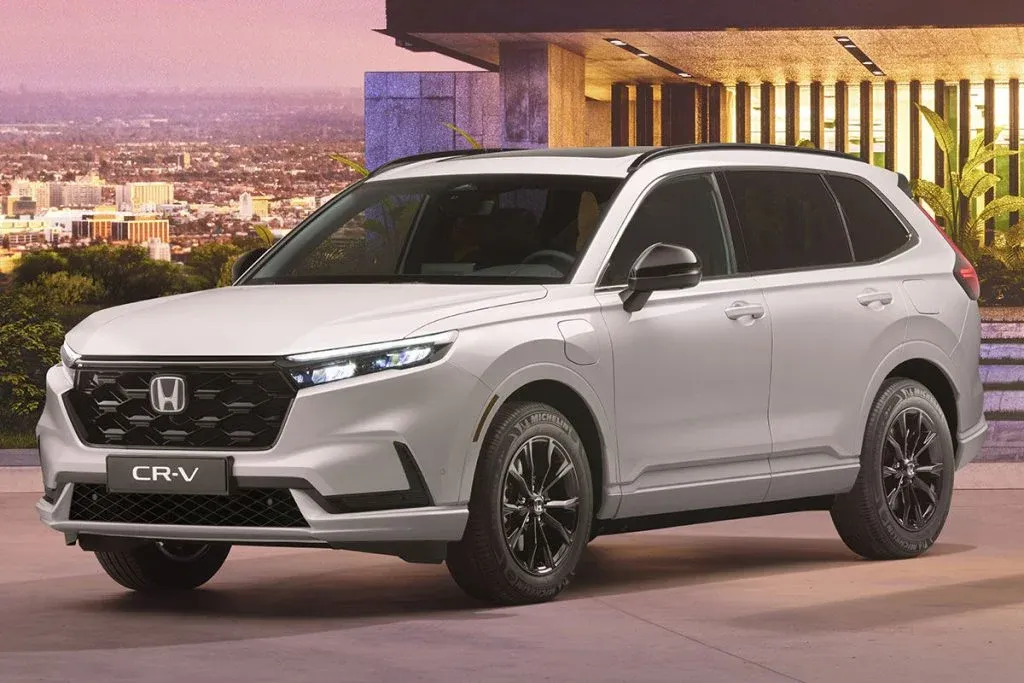
Honda wants to ramp up mass production of its next hybrid vehicles in North America earlier than previously planned. Exact dates, production sites, technical data and prices for the next CR-V Hybrid have not yet been confirmed. It also remains open which of the canceled electric-car projects were originally intended for which segments. What is clear, however, is that the short-term development and manufacturing priority is shifting in favor of hybrid powertrains.
That does not mean Honda is fundamentally abandoning electric cars. Rather, the decision points to a more cautious cadence. Manufacturers currently have to balance several factors at the same time: demand for affordable EVs, charging infrastructure, battery costs, subsidy conditions, emissions regulations and the profitability of new platforms. In this environment, hybrids offer an intermediate step that seems less technically radical, but remains attractive in practice for many customers.
Why the CR-V Hybrid is so important
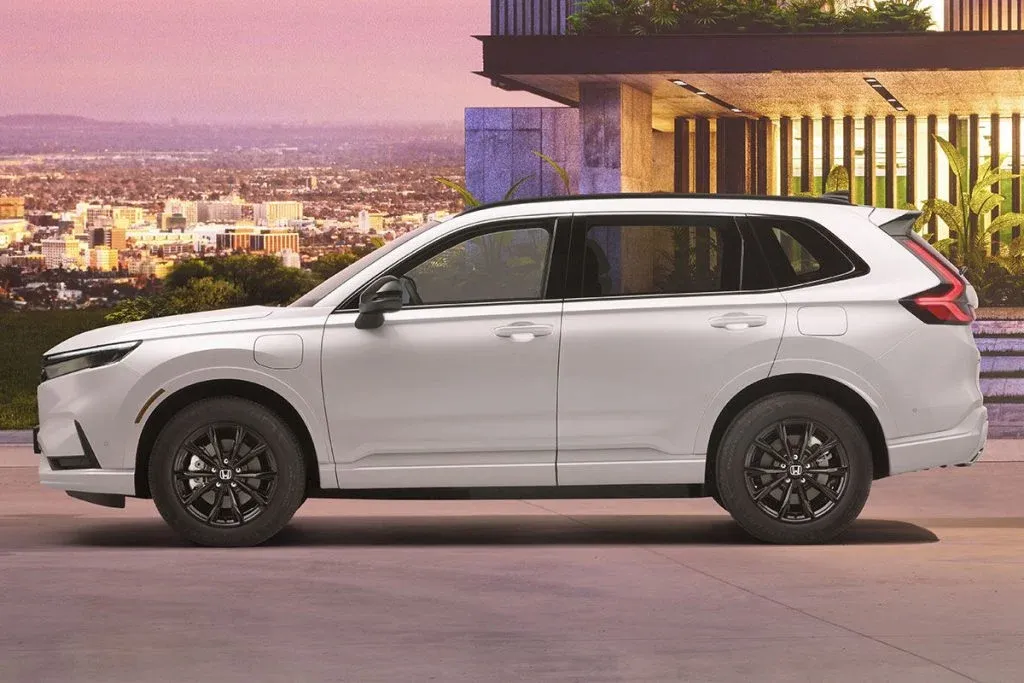
The CR-V is a key model for Honda. It reaches buyers who are not necessarily considered early technology adopters, but who value low consumption, everyday usability, reliability and resale value. This is precisely where a hybrid powertrain plays to its strengths: lower fuel consumption in city and commuter driving, smoother takeoff, electric assistance when accelerating and no dependence on a home wallbox.
For Honda, the hybrid version is also a way to increase electrification in the mass market without forcing customers into a complete switch to battery-electric driving. This is particularly relevant in regions where public charging options are unevenly distributed or buyers in rental apartments do not have an easy charging solution. A more quickly available CR-V Hybrid could therefore appeal to customers who in principle want to drive electrified, but do not yet want to buy a pure EV.
Consequences for buyers
For car buyers, Honda’s course could have several practical effects. First, the chance increases that more hybrid variants will be available at dealers in the future. Especially with popular SUVs, availability can determine whether a customer stays with a brand or switches to a competitor. Second, hybrids could remain more accessible in terms of price than comparable battery-electric SUVs because they do not require a large high-voltage battery. Whether this will actually translate into lower entry prices for the next CR-V Hybrid remains open until the official model announcement.
Third, operation is straightforward. Anyone without a charging option does not have to change their usage behavior. Fill up, drive, done – just with added efficiency. For many private households and company car drivers, that is exactly the appeal of a hybrid. The disadvantage remains: a classic hybrid drives only short distances purely electrically and still depends on gasoline. Anyone who wants to drive as locally emissions-free as possible will still find more suitable solutions in a pure electric car or plug-in hybrid.
Consequences for Honda dealers and owners
For dealers, an accelerated hybrid roadmap can be helpful. Hybrids require explanation, but they are not as consultation-intensive as pure EVs, where charging performance, charging planning, home installation and battery range have to be discussed in greater detail. A new CR-V Hybrid could also bring customers into showrooms who are still waiting when it comes to electric cars.
For current CR-V owners, the development is also relevant. A new hybrid generation can support the resale value of current hybrid models because demand for efficient SUVs continues. At the same time, a significantly improved successor can make older models age more quickly from a technical standpoint, for example if Honda noticeably advances efficiency, performance, noise comfort or assistance systems. Without confirmed specifications, however, it is not yet possible to predict how great the progress will be.
A signal to the industry
Honda’s decision fits a broader industry trend: many manufacturers remain on course for electrification in the long term, but are adjusting the pace and the model mix. Purely electric vehicles remain strategically important, but demand is developing differently depending on region, price level and charging infrastructure. Hybrids fill the gap between conventional combustion-engine vehicles and battery-electric models.
For competitors in the SUV segment, a CR-V Hybrid arriving more quickly increases the pressure. Buyers compare not only consumption figures, but also overall packages: interior, cargo space, safety systems, warranty, financing, delivery time and realistic operating costs. If Honda brings an attractive offering here, the new CR-V Hybrid will have to hold its own against strong hybrid SUVs from other brands.
What remains open
Several crucial questions remain unanswered. Honda has not yet named final performance data, consumption figures, battery capacities, equipment or prices for the next CR-V Hybrid. Nor is an exact production or sales launch confirmed. Details are also lacking on which EV programs were canceled and whether individual technologies could return later in another form.
For buyers, this means: Anyone who needs a car in the short term should not dismiss current hybrid offers solely because of an upcoming model. Those who are flexible and specifically looking for a CR-V Hybrid, however, are likely to watch the next Honda announcements closely. The decisive factor will be whether Honda can translate the accelerated schedule into a concrete, readily available and convincingly priced vehicle.
Why the decision matters
The news shows how dynamic the auto industry’s powertrain strategy has become. Honda is not responding with a simple either-or between gasoline engine and electric car, but is strengthening the middle ground for now: hybrid SUVs for the mass market. For many customers, that could be precisely the most realistic form of electrification. For the industry, it is an indication that the path to the electric car does not proceed linearly everywhere – and that successful manufacturers must remain flexible when markets, costs and customer behavior change faster than original product plans.