Alpine previews the next A110: electric sports car with a door left open
Alpine is preparing the next generation of the A110. A new design sculpture hints at a more aggressive design language, while the lightweight sports car is planned primarily as an electric coupé.
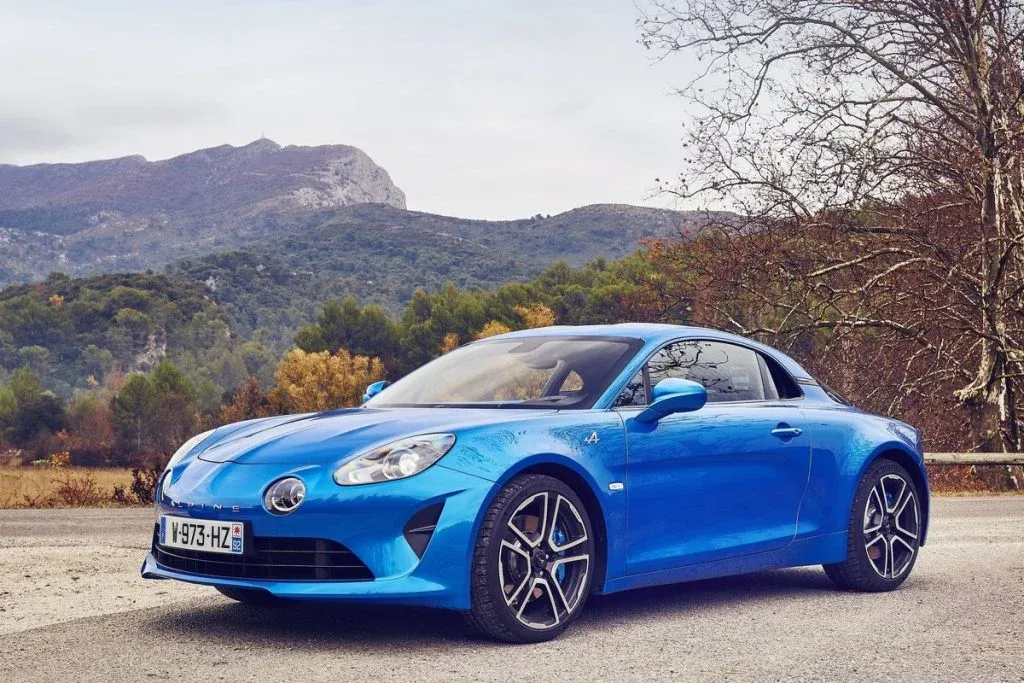
Alpine is visibly working on the next generation of the A110. The French sports car manufacturer has given a new preview of the upcoming coupé – not in the form of a near-production show car, but via a design sculpture that hints at proportions, stance and several design motifs. At the same time, evidence from prototype testing is increasing that the new A110 is likely to appear significantly more distinctive and visually more resolute than the current model.
What matters above all is the technical direction: the next A110 is intended to become primarily electric. That presents Alpine with a delicate task. Today's A110 did not become famous because of extreme performance, but because of its low weight, its balance and its very direct driving feel. Transferring exactly these qualities to an electric car is harder than simply installing a powerful motor.
What the new preview shows
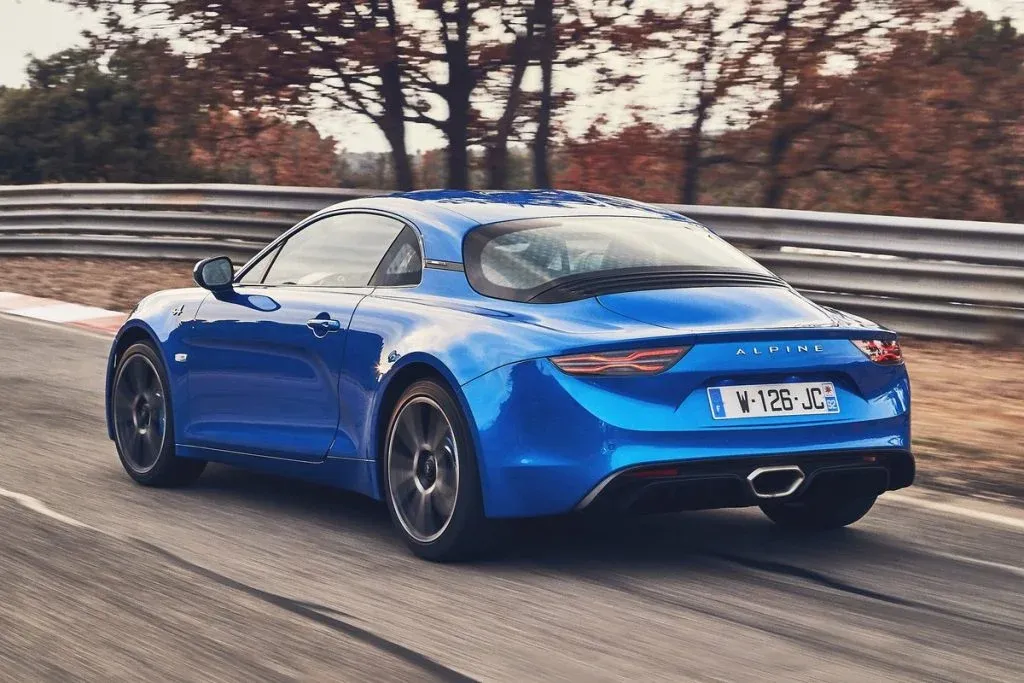
The design sculpture shown suggests a sharper interpretation of the A110. The basic recipe apparently remains intact: a low, two-seat coupé with a clearly recognizable sports car profile. At the same time, the design language appears more muscular. Broader shoulders, more strongly emphasized wheel arches and a flatter, more aggressive front end fit the impression also conveyed by camouflaged test vehicles.
Alpine is nevertheless likely to proceed cautiously. For the brand, the A110 is more than just a model name. It connects the historic rallying past with the modern revival of the brand and stands for an alternative to heavier, performance-focused sports cars. Too radical a break could scare off loyal customers; too cautious a successor, on the other hand, would quickly look old in the electric age.
The full presentation is currently expected for the end of 2027. Until then, further teasers, technical tidbits and probably also more prototypes on public roads can be expected.
Electric drive as the core, combustion engine not fully clarified
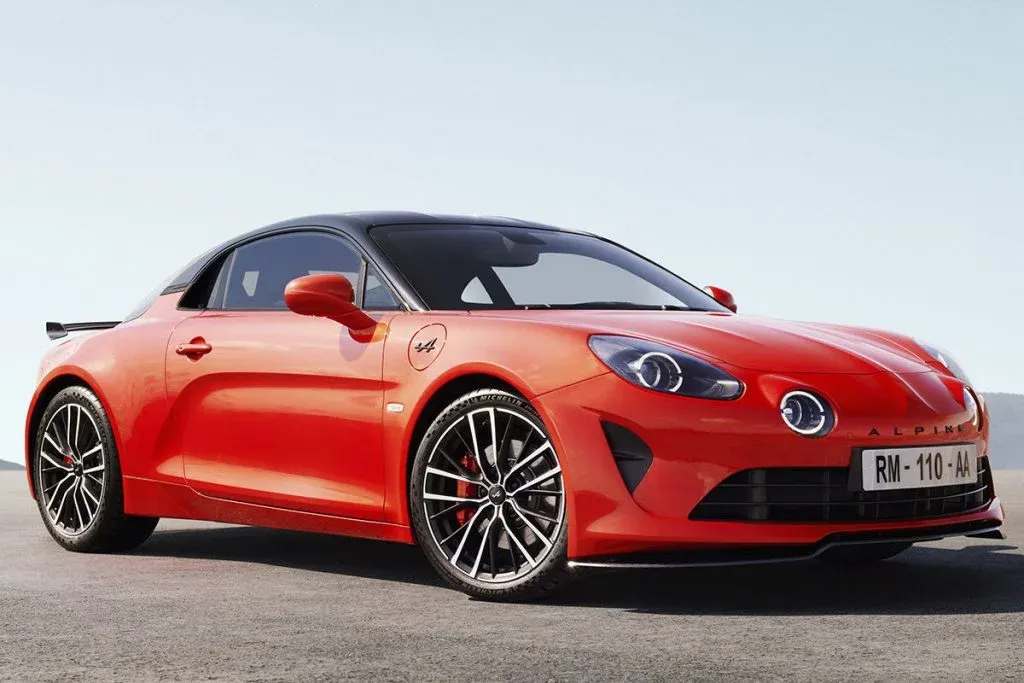
The next A110 has long been expected as an electric sports car. That fits Alpine's broader strategy of expanding the brand through several electric models. For buyers, this means: the A110 will not simply be a successor with a modernized gasoline engine, but a model change with a fundamental technical realignment.
It remains open whether Alpine could additionally create a version with a combustion engine. There are indications that such a variant is not categorically ruled out. At the same time, it would be complicated from a regulatory and industrial perspective. Stricter CO₂ requirements in Europe, limited volumes and high development costs speak against a completely standalone gasoline model. If Alpine were to examine a combustion-engine version after all, it would probably be heavily dependent on market conditions, group decisions and the economics of small series.
The safer classification is therefore: the next A110 is to be expected as an electric sports car; a gasoline version remains a possibility, but not a confirmed product commitment.
The biggest challenge: weight
With electric sports cars, the battery is almost always the focus. It brings range, but also mass. This is exactly where Alpine's central problem lies. The current A110 is considered a particularly light car in a class in which many competitors have become larger and heavier over the years. Its appeal comes from the combination of low weight, precise steering, compact dimensions and a chassis that is not designed purely for racetrack stiffness.
An electric successor must translate this philosophy anew. Alpine could rely on a rather compact battery to save weight, instead of advertising solely with maximum range. Intelligent weight distribution, a low center of gravity and finely tuned recuperation will also be crucial. An electric drive can offer advantages when accelerating out of corners, but without a convincing driving feel, an A110 would be an A110 in name only.
For enthusiasts, that is the core of the message: it is not the question of whether the car is electric that alone determines its success, but whether Alpine can preserve the light, communicative nature of the previous car.
Why the new A110 is interesting for buyers
For potential buyers, quite a lot changes with the next generation. Anyone who today owns or is looking for a classic A110 with a combustion engine is currently experiencing a transition phase. The current model could become more interesting for collectors in the long term because it represents one of the last compact, lightweight gasoline sports cars of this kind. Particularly well-preserved, rare or especially driver-focused variants are likely to be watched closely.
At the same time, the new A110 could appeal to a new group of buyers: drivers who are looking for an electric car but do not want a large SUV or a heavy luxury sedan. The market for electric sports cars is still comparatively thinly populated, especially in the compact segment. Many electric performance models offer enormous acceleration, but are large, expensive and heavy. Alpine could occupy a niche here if price, weight and everyday usability fit together.
However, key data are still missing: battery capacity, range, charging power, output, weight, platform details and price are not officially known. The question of whether the car will come in several power levels also remains open. In a sports car of this kind, these figures are more important than in many volume models because they directly determine character and credibility.
Significance for Alpine and the industry
For Alpine, the next A110 is a key model. The brand is supposed to grow, but it must not lose its identity in the process. That is a balancing act: on the one hand, Alpine must become more profitable and more internationally relevant. On the other hand, the brand lives from credibility with drivers who judge a car not only by display size, assistance systems or sprint figures.
The car is also interesting for the industry. It shows whether smaller electric sports cars have a real future. So far, many manufacturers in the electric segment have focused on SUVs, crossovers and high-priced sedans because battery costs can be priced in more easily there. A compact electric coupé with dynamic driving ambitions is harder to calculate, but it could show that the electric transition does not necessarily have to lead to uniform vehicle concepts.
The new A110 will therefore be more than a model change. It will be a test of whether a tradition-rich lightweight sports car can be transferred into the electric era without losing its character. The teaser does not yet provide a definitive answer to that – but it makes clear that Alpine is placing exactly this question at the center of the next chapter.