Volkswagen: In Germany, EV orders overtake combustion-engine cars
Volkswagen is now receiving more orders in Germany for electric cars than for petrol and diesel models. For the brand, this is an important signal – but also an indication of new risks in demand, production and earnings.
An important tipping point in the home market
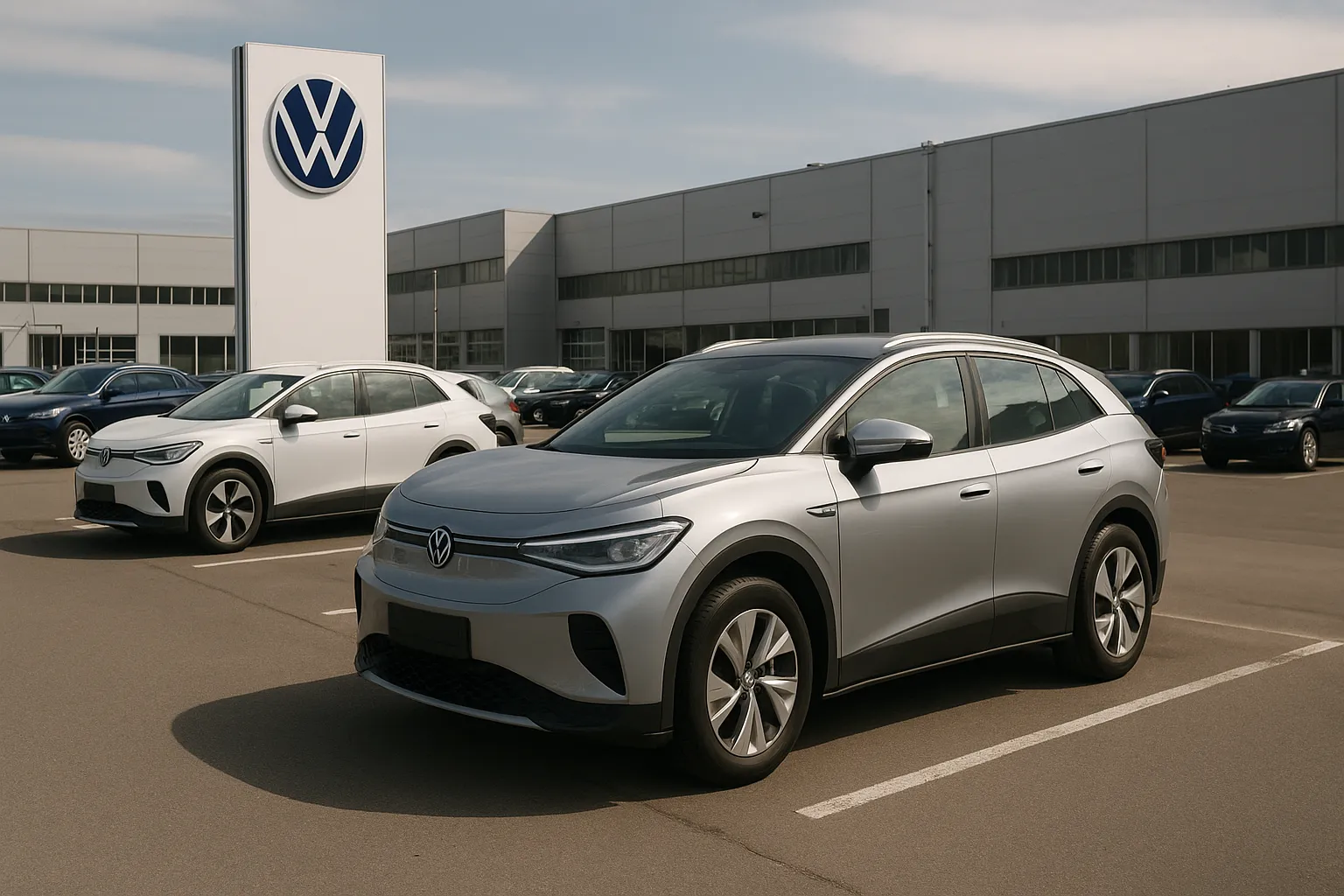
Volkswagen is experiencing a remarkable shift in incoming orders in Germany: electric cars are now being ordered more frequently in the brand’s home market than models with petrol or diesel engines. This is more than a snapshot for the sales statistics. For a manufacturer that has been shaped for decades by the Golf, Passat, Tiguan and other combustion-engine model ranges, this development marks a visible change in customer behavior.
At the same time, the news is not automatically synonymous with a problem-free breakthrough for electric mobility. What matters is not only that EVs are ahead in incoming orders. It is also important why this is happening, how stable this trend is and whether Volkswagen is achieving the right mix of models, prices, production capacities and profit margins.
Specific unit numbers, the breakdown by individual model ranges or the duration of the current trend have so far not been publicly classified in sufficient detail. What is clear, however: if a major volume manufacturer sells more electrically powered than conventionally powered vehicles in its most important European market, or enters them into its order books, this has consequences for buyers, dealers, plants and suppliers.
Why the development matters for Volkswagen
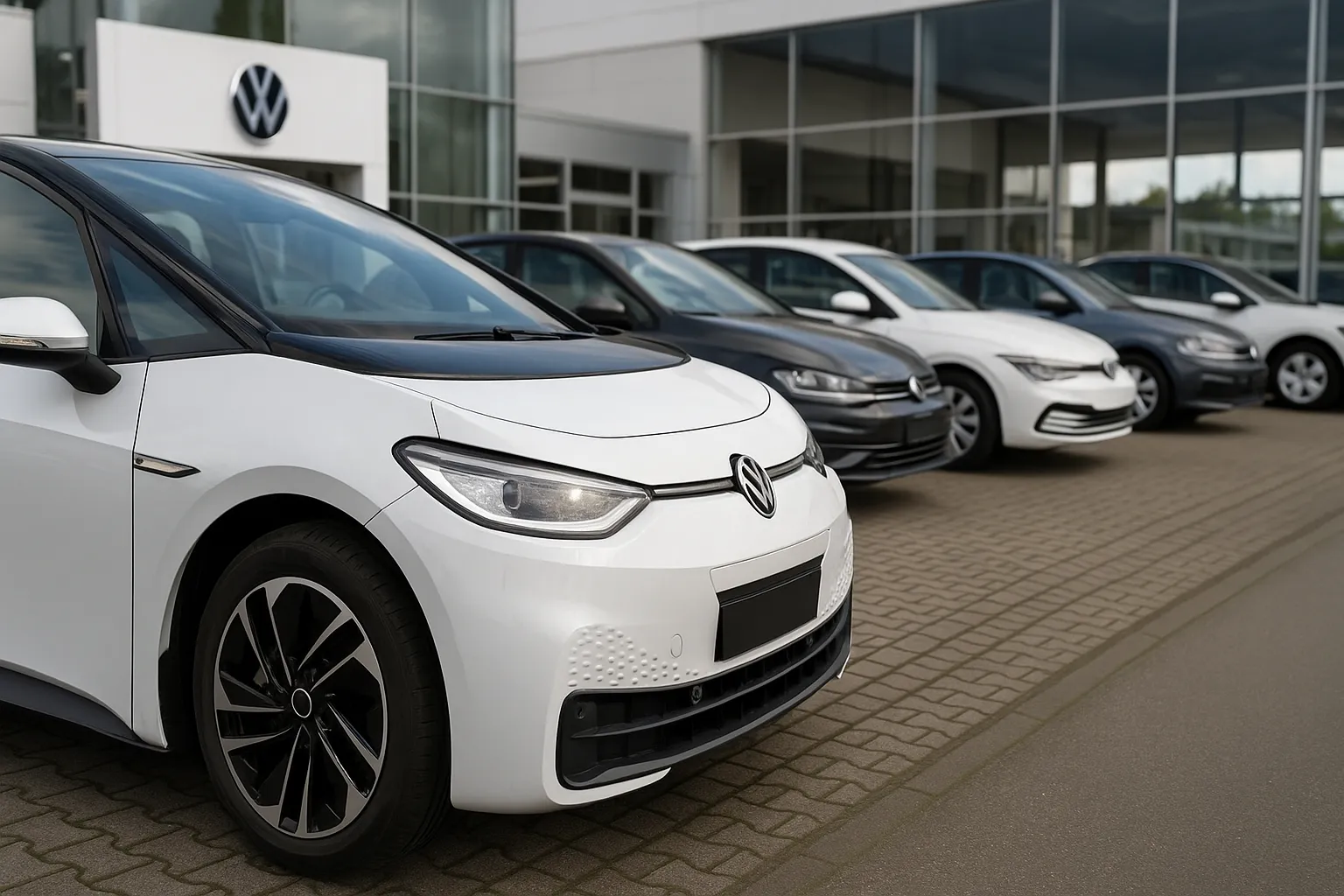
Volkswagen is under dual pressure in Europe. On the one hand, regulation demands lower fleet emissions. Every additional battery-electric sale helps improve the CO2 balance and avoid possible penalty payments. On the other hand, the group has to make money with electric cars, not just meet registration targets.
That is precisely where the difficulty lies. Combustion-engine vehicles are often still more profitable for established manufacturers because platforms, engine plants, supply chains and production processes have been optimized over many years. Electric cars require different components, above all battery cells, power electronics and software. These components are expensive, their supply chains complex, and price pressure also arises from new competitors as well as changing government subsidy conditions.
A higher share of electric orders can therefore have contradictory effects in the short term. On the one hand, utilization of electric model lines such as the ID. family is increasing. On the other hand, plants, dealers and purchasing have to change over more quickly, while traditional combustion-engine capacities lose importance. If demand for petrol and diesel models declines more sharply than expected, this can lead to underutilization in areas that have previously delivered high contribution margins.
For buyers: more choice, but not automatically lower prices
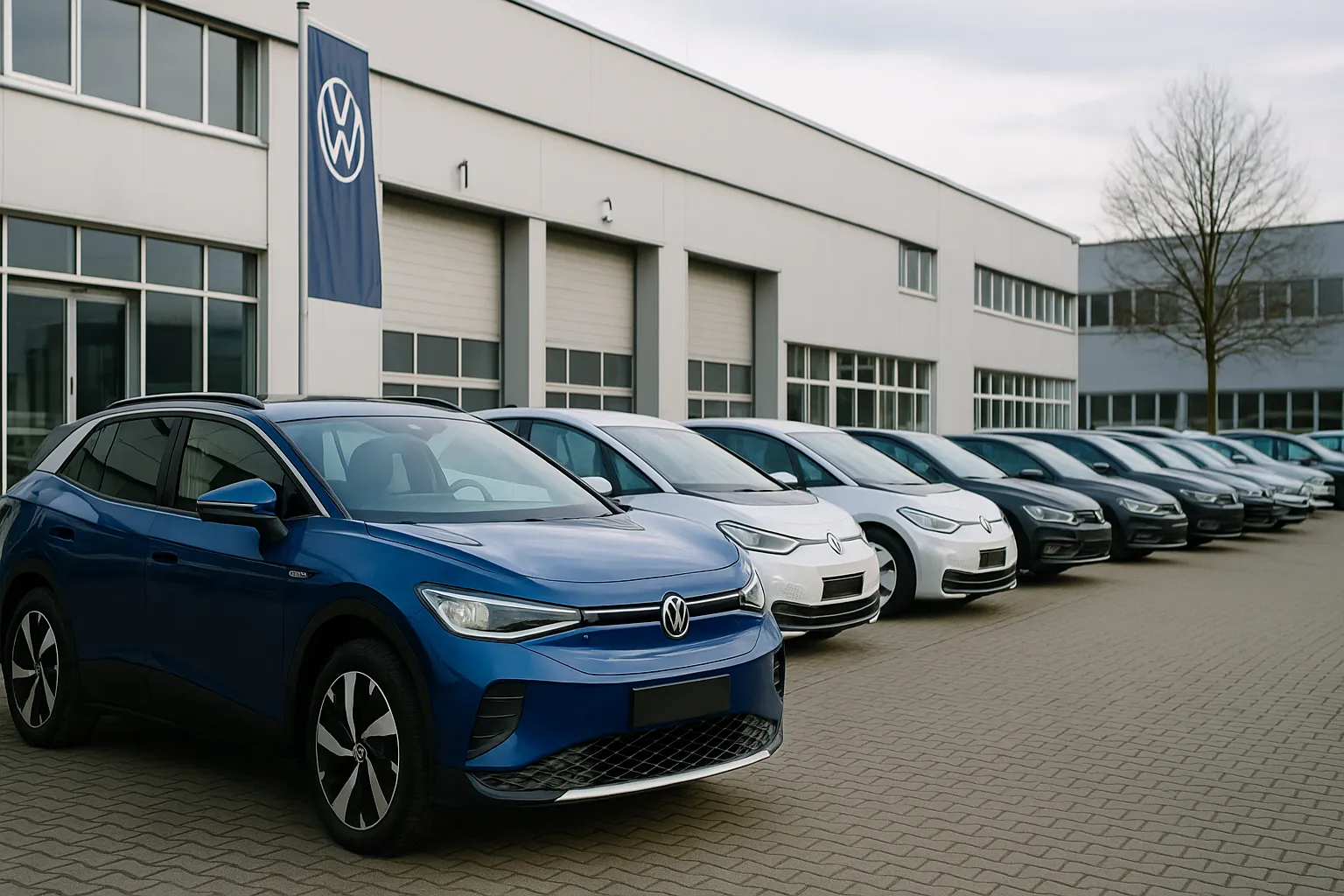
For car buyers, the trend is above all a signal that electric cars have arrived in the mass market. Anyone ordering a VW in Germany today no longer compares only the Golf, T-Roc or Tiguan with similar combustion-engine cars from other brands. Increasingly, ID.3, ID.4, ID.5, ID.7 or electric commercial-vehicle variants are also on the shortlist.
This changes the purchasing decision. In addition to traditional price, engine output and equipment, range, charging performance, software status, battery generation, wallbox access and public charging infrastructure are moving more strongly into focus. Leasing rates and residual values are also becoming more important because many private customers and fleet operators still assess the long-term value development of electric cars cautiously.
However, more demand for EVs does not necessarily mean that the vehicles will become cheaper in the short term. If production capacities, battery availability or certain equipment are scarce, delivery times can increase or discounts can be smaller. Conversely, strong competition in the electric segment can force manufacturers to make better offers, especially for compact and midsize models.
For buyers, it is therefore worthwhile not only to compare the list price. What matters are total costs over the holding period: electricity tariff, charging losses, insurance, maintenance, tire wear, tax rules, possible employer or fleet benefits and the expected residual value development.
For owners: infrastructure and software remain key issues
Anyone already driving an electric car can take a certain confirmation from the development. The more electric vehicles come onto the market, the greater the economic incentive for better charging infrastructure, more workshop expertise and a broader supply of spare parts. Used-car buyers also benefit in the long term from a larger offering.
However, as adoption increases, the strain on the charging infrastructure also grows. In densely populated regions, on motorway routes during holiday periods and for households without their own parking space, charging remains a practical issue. Manufacturers such as Volkswagen therefore have to sell not only cars, but also offer a convincing ecosystem: route planning, charging access, transparent prices and reliable software updates.
Software in particular has become central to customer satisfaction. A modern electric car is measured not only by panel gaps, chassis and consumption, but also by operating logic, navigation, charging planning and update capability. For Volkswagen, this is a cultural change: the brand has to combine traditional strengths in vehicle manufacturing with digital everyday usability.
For dealers: advice is becoming more demanding
Work is also changing in retail. A combustion-engine sale can often be handled through familiar categories: engine, transmission, equipment, consumption. With an electric car, the sales conversation has to focus more strongly on everyday use. Does the customer drive 40 kilometers a day or regularly 600? Is there a charging option at home? Is the car used privately, commercially or as a company car? What charging performance suits the driving profile?
If EV orders overtake combustion-engine cars, dealers have to align their advice, demonstrator fleets and workshop qualifications accordingly. That is an investment, but it can also create new customer loyalty. Anyone who takes away a buyer’s fear of charging, range or battery aging has an advantage in the competition.
At the same time, the combustion-engine stock remains relevant. Many customers will continue to drive, buy or trade in petrol, diesel or hybrid models. Dealers must therefore serve two worlds in parallel: growing electric demand and the large stock of conventional vehicles.
For the industry: the transformation is accelerating, but unevenly
The larger question is whether Volkswagen can manage the transition in a controlled way with the current shift in orders. A rising electric share helps with regulation and strengthens the position against competitors. But it can also make existing weaknesses visible: battery costs that are too high, too few affordable entry-level models, uncertain demand in individual segments or production structures that are too complex.
The lower price range will become particularly important. Many buyers do not switch for ideological reasons, but when an electric car convinces them in everyday use, price and availability. As long as electric small and compact cars are noticeably more expensive than comparable combustion-engine cars, part of the customer base will remain cautious. Volkswagen therefore has to sell not only electric upper-class and midsize models, but also deliver affordable volume vehicles.
For enthusiasts, the development is also exciting. The electric era is changing what defines a Volkswagen: quieter drive, instant torque, different weight distribution and new interior concepts instead of traditional engine variants. This can create new enthusiasm, but it does not automatically replace the emotional connection to familiar models such as the Golf GTI, R models or sporty diesels of the past.
Not a final victory, but a clear signal
That Volkswagen is receiving more orders for electric cars than combustion-engine cars in Germany is a relevant milestone. It shows that acceptance of electric vehicles has grown significantly in the brand’s core market. At the same time, it would be too simplistic to derive a final farewell to the combustion engine from this. The vehicle stock will remain mixed for many years, and demand can fluctuate due to energy prices, subsidy policy, interest rates and model cycles.
For Volkswagen, the situation is therefore both an opportunity and a stress test. The brand has to prove that it can not only sell electric cars in increasing numbers, but also build them profitably, support them reliably and make them attractive to broad groups of buyers. For customers, the trend above all means: the electric option is no longer the niche beside the classic VW offering. It is moving into the center of the market.