Bentley backs away from 2030 target for all-electric fleet
Bentley is keeping combustion-engine and hybrid models in its lineup for longer and slowing the transition to a purely electric brand. For buyers, that means more choice, but also less predictability in the EV timetable.
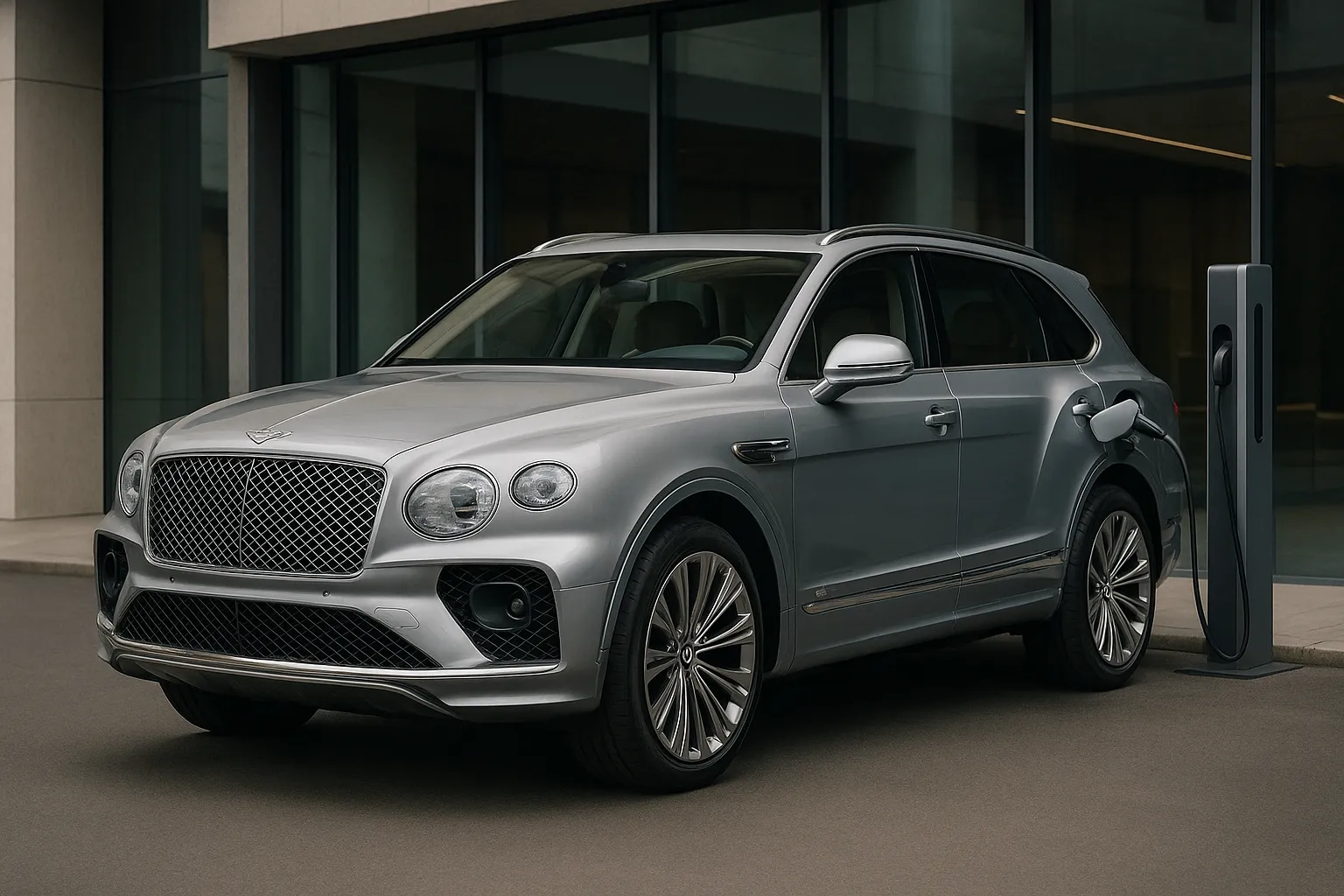
Bentley is taking speed out of its electrification strategy. The British luxury brand is no longer rigidly sticking to the goal of offering only electric cars from 2030 onward. Instead, models with combustion engines and electrified powertrains are to remain in the lineup for longer. A central role in the revised planning is played by the Bentley Torcal, which is cited as an important building block of the next product phase.
The decision is more than an internal schedule shift. It shows how even high-priced brands have to adapt their electric plans to demand, infrastructure, regulatory differences and customer expectations. Bentley had once positioned the full switch to an electric brand as a clear path to the future. Now it is becoming a more flexible transition, in which battery drive, plug-in hybrid technology and conventional powertrain concepts can exist in parallel for a longer period.
What is changing in Bentley's strategy
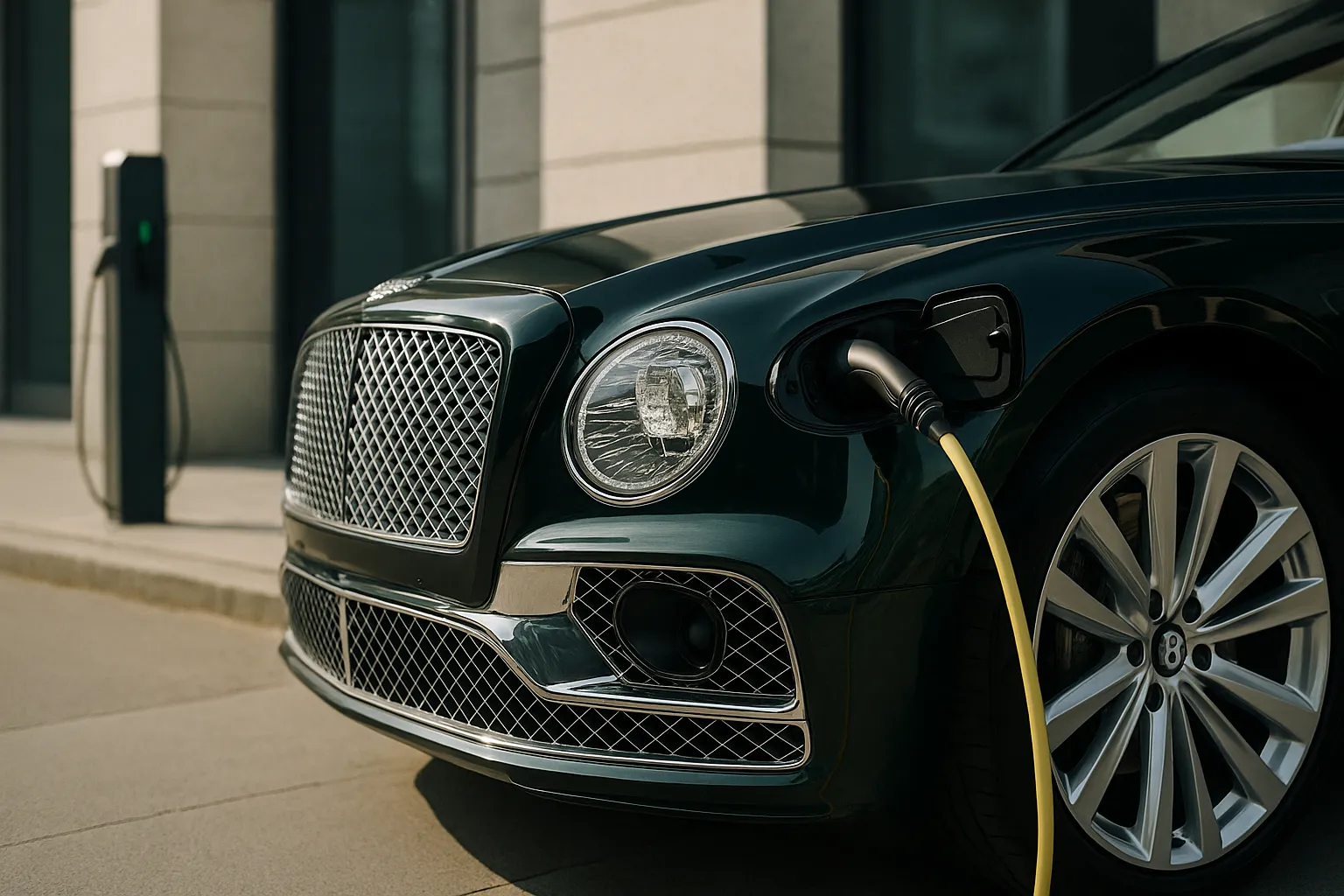
The core of the new direction is simple: 2030 is no longer the hard dividing line between the combustion-engine past and the electric future. Bentley will continue to work toward electrification, but not with the aim of offering all models without tailpipes by that date. This leaves room for combustion engines, especially where customers continue to demand them strongly or where the charging infrastructure for large luxury vehicles does not yet meet expectations.
For the brand, this is a pragmatic correction. Luxury cars are often used differently from volume models. Many Bentley customers drive long distances, travel internationally or use their vehicles in regions with very different charging conditions. In addition, in this price segment it is not only about pure efficiency, but also about smoothness, range, effortless power delivery, towing capacity, travel comfort and a certain brand feeling. An electric Bentley can deliver much of that, but the transition is technically and commercially demanding.
The move does not mean that Bentley is giving up on electric mobility. Rather, the transformation is being stretched out. Hybrids are therefore likely to take on a more important bridge role. They enable local electric driving while retaining the range and comfort reserves of a combustion engine. For many buyers in the upper class, exactly this combination is currently more attractive than a complete switch to a battery-electric vehicle.
The Torcal as a key model

The Bentley Torcal is at the center of the new phase. Specific technical data, market launches or performance figures are not confirmed in the available information. What is clear, however, is that the model is intended to lead the revised strategy and thereby show how Bentley is positioning its next generation of luxury vehicles.
The decisive question will be whether the Torcal appears as a pure electric car, as an electrified model series or as part of a broader model family. As long as Bentley has not published all the details, this classification remains open. For the market, the name is nevertheless important because it signals that the brand is not stopping its future course, but rescheduling it. Instead of an abrupt complete changeover, a product plan is emerging that allows different types of drive to coexist for longer.
For enthusiasts, that could be good news. For decades, Bentley has also defined its identity through large, refined combustion engines. In more recent times, electrified V6 and V8 powertrains have moved more into the foreground, but the fascination of the brand remains closely tied to effortless performance, mechanical sophistication and long-distance character. If Bentley can transfer these qualities into hybrid and electric vehicles, the core of the brand will remain intact. If not, there is a risk of a break with the expectations that many regular customers have of the brand.
Why this matters for buyers
For new-car buyers, the strategy change initially means more choice. Anyone who prefers a Bentley with a combustion engine or hybrid does not have to assume that such vehicles will have disappeared completely by 2030. That can ease purchase decisions, especially for customers who keep a vehicle for many years or depend on specific usage profiles.
Residual values could also be influenced by the extended transition phase. If Bentley supports combustion-engine models and hybrids for longer, that can strengthen confidence in service, parts supply and model updates. At the same time, it remains open how individual markets will deal with future emissions rules, registration restrictions or tax changes. A Bentley with a combustion engine may remain attractive in one country, while it runs up against regulatory limits in another.
For buyers of an upcoming electric Bentley, a different question arises: When is the right time to get in? A slower rollout can mean that early electric models are developed more carefully and come to market in a more mature form. But it can also create uncertainty if product dates, platforms or model names have not yet been finalized. Anyone planning a luxury EV today is not only comparing Bentley with other traditional brands, but also with specialized electric providers and high-performance models from the premium segment.
A signal to the entire luxury sector
Bentley's course correction fits a broader development in the auto industry: Many manufacturers are sticking to the electric goal, but are adjusting timelines and investments. The ramp-up is not proceeding at the same speed everywhere. In China, electric cars and plug-in hybrids are already very strong in many segments. In Europe, the market depends more heavily on incentives, electricity prices, charging infrastructure and fleet requirements. In the USA, conditions differ significantly depending on the state.
Luxury brands face a particular dilemma here. They have to demonstrate technological leadership, but must not lose their most profitable customers. A fully electric luxury car needs large batteries, high charging capacity, exceptional sound insulation and a driving feel that seems not only fast, but also effortless. These requirements drive costs and weight upward. At the same time, customers expect no compromises in interior quality, personalization and range.
The extended role of hybrids can therefore make industrial sense. It allows Bentley to continue expanding electrification without immediately converting every market to pure battery cars. For suppliers, dealers and workshops, however, this creates a more complex reality: They have to master combustion-engine technology, high-voltage systems and software expertise in parallel.
Not a retreat, but a more cautious transition
Moving away from the fixed 2030 date is not the end of the electric strategy, but it is a clear sign of greater caution. Bentley is responding to a market that is developing more slowly and less uniformly than expected a few years ago. For customers, this is positive in the short term because the choice of powertrains remains broader. For the brand, however, it increases the task of credibly serving several technical paths at the same time.
In the end, Bentley's success will not depend solely on whether a model is powered electrically, as a hybrid or conventionally. What matters is whether it feels like a Bentley: quiet, powerful, luxurious, long-distance-capable and special. The new strategy gives the brand more time to transfer these qualities into the next era. But it also does not remove the pressure to eventually deliver convincing electric cars that justify the high price and the great name.