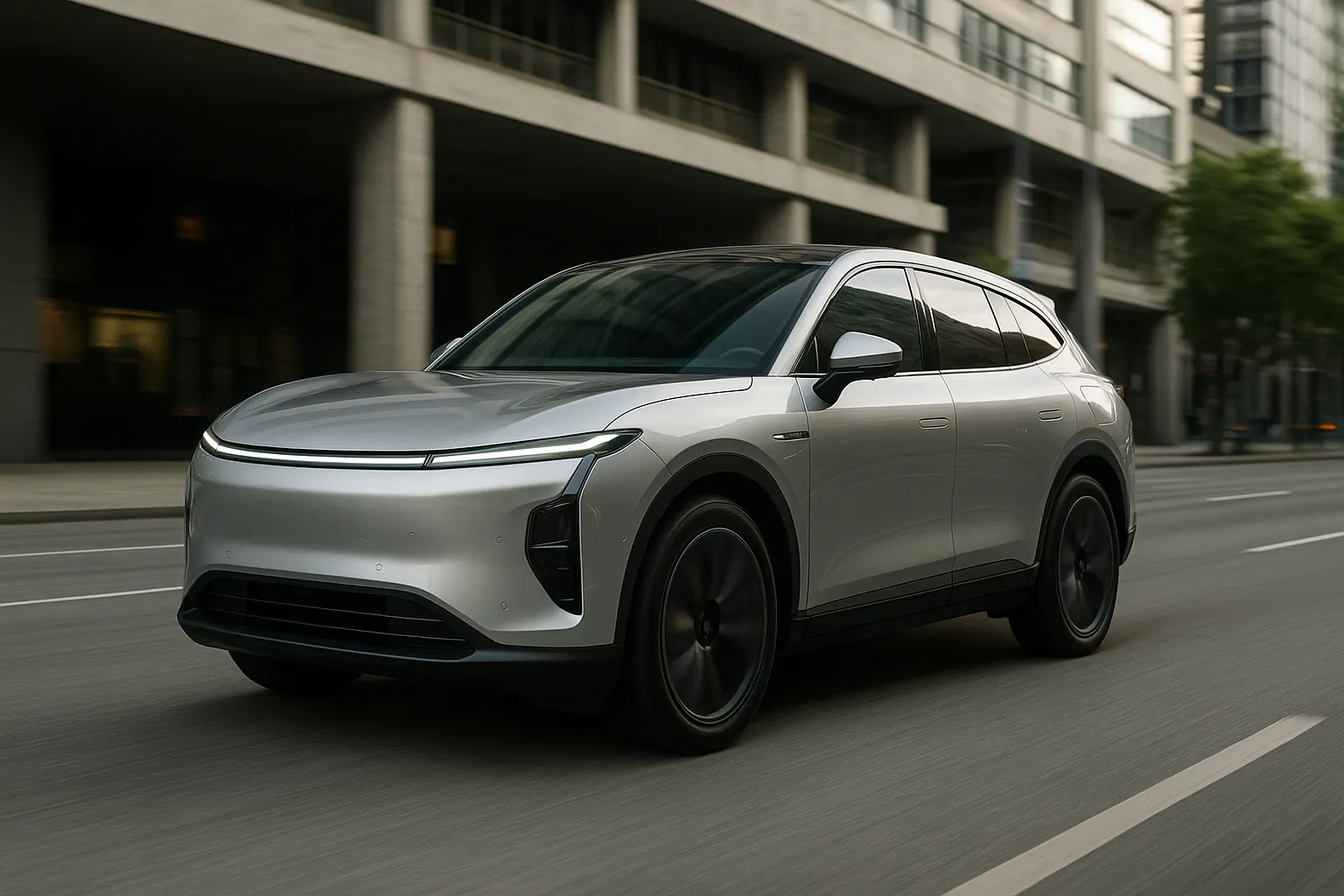
Škoda Epiq: Small electric SUV focuses on large trunk and everyday usability
The new Škoda Epiq is positioned as a compact electric SUV for the city. What stands out most is the stated 475-liter trunk – but key technical data is still missing.
Compact electric SUV with a strongly practical focus
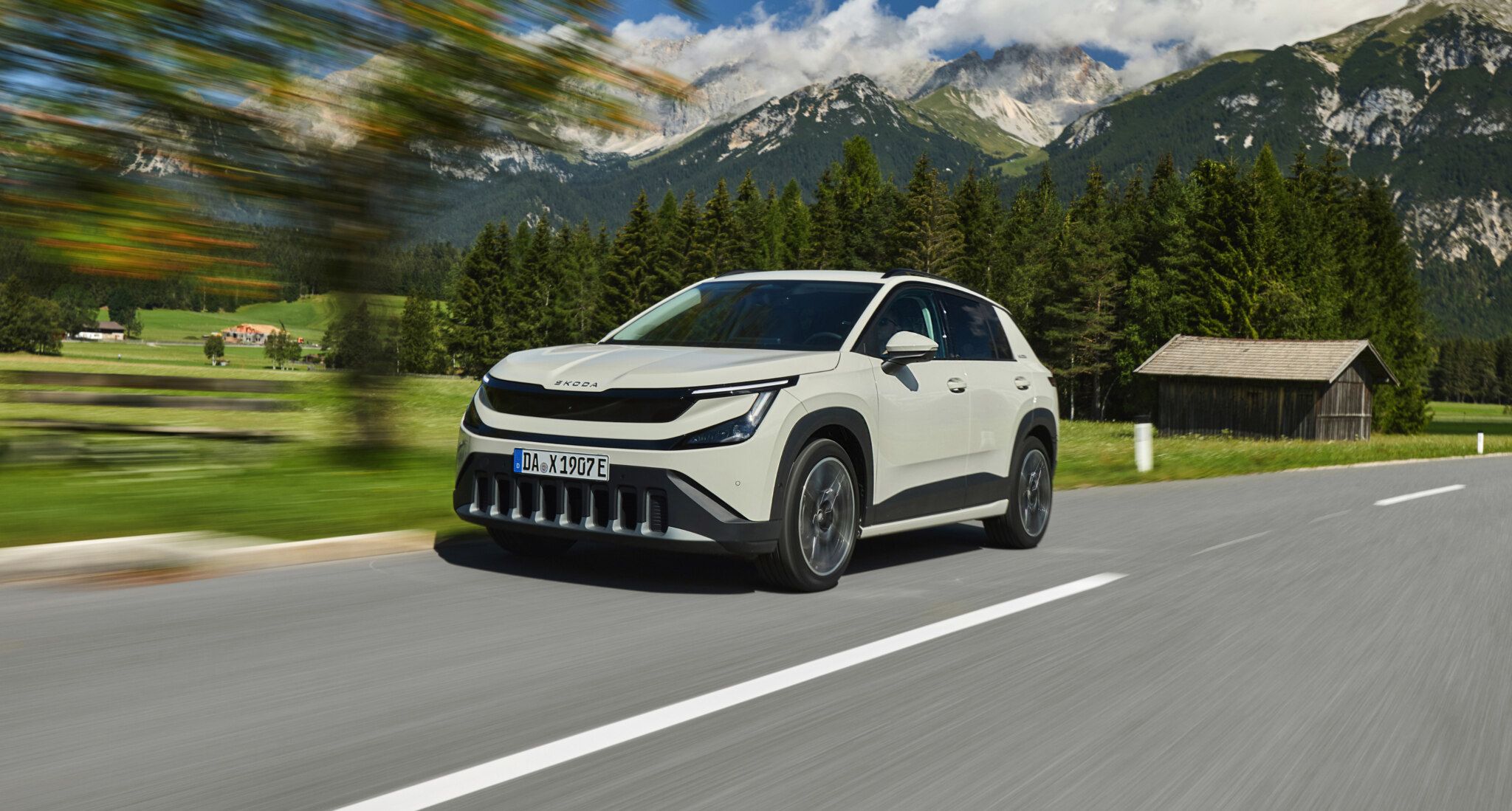
With the Epiq, Škoda is sharpening its offering at the lower end of the electric SUV range. The new model is described as a fully electric small SUV intended above all for city traffic, tight parking garages, and normal family or commuter everyday use. Instead of presenting the Epiq as a pure lifestyle car, the brand puts utility value in the foreground: compact exterior dimensions, a robust-looking appearance, and a cargo area that is remarkably large for this vehicle class.
The most important concrete figure from the current preview is the trunk: 475 liters are said to be available in the Epiq. That is a strong argument for a small SUV, because many electric cars of this size have to make compromises in storage space due to the battery pack, short body, and packaging compromises. If Škoda maintains this figure in the production version, the Epiq will come into focus for buyers who are looking for a handy car but do not want to give up the practical side of a larger compact model.
Why the Epiq is relevant for buyers
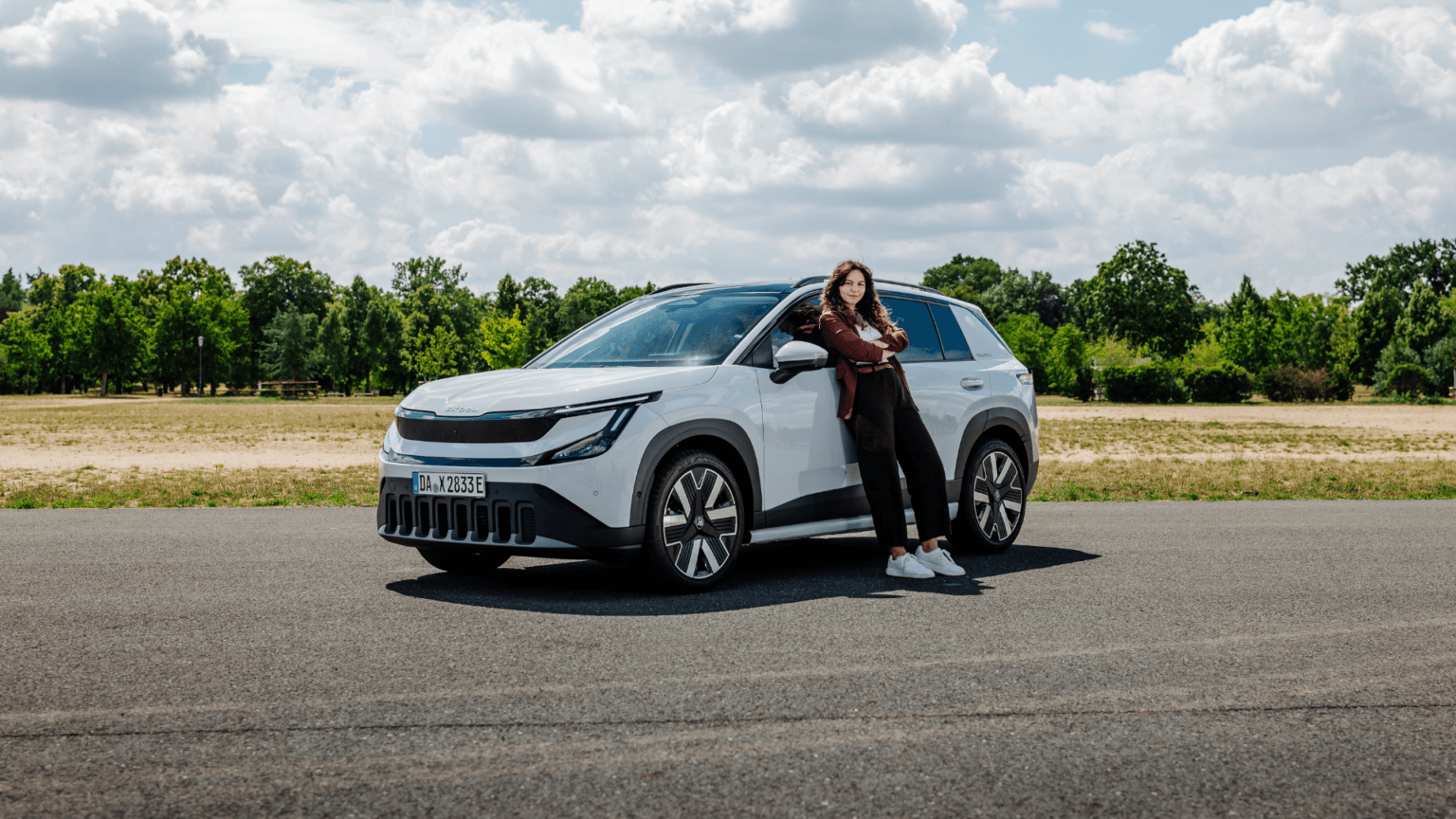
The market needs smaller electric cars that are not only technically interesting, but also easy to live with in everyday use. Many previous electric SUVs are large, heavy, and expensive. At the same time, many customers want a car with a raised seating position, good visibility, and enough space for shopping, strollers, sports bags, or weekend luggage. The Epiq is intended to move precisely into this gap.
For city dwellers, it is not only range that counts, but also everyday ergonomics. A vehicle that remains short enough for narrow streets and parking spaces, but does not feel like a compromise inside, can be just as interesting for households with only one car as it is for commuters, car-sharing fleets, or company car customers with an urban use profile. The 475-liter trunk is therefore more than a side note: it helps determine whether a small electric car can replace a combustion-engine small car, a compact wagon, or an older family car.
Design: Modern, but geared toward utility value
The preview describes the Epiq as independently and robustly styled. That fits the current development in small SUVs: buyers expect not only efficient technology, but also a certain visual presence. A taller body, clean surfaces, and a more angular appearance help make a compact car look more mature.
The decisive question will be whether the production model maintains this balance. Too much SUV staging can worsen weight, aerodynamics, and efficiency in small electric cars. Too much restraint, on the other hand, quickly makes a model disappear in a densely populated segment. The Epiq seems designed not to confuse SUV styling with exaggerated size: it is intended to remain handy in city traffic while still having enough character to set itself apart from traditional small cars.
Interior: Packaging becomes a selling point
Škoda has built up a reputation over the years for clever space solutions. In the Epiq, exactly this strength becomes especially important. In a small electric car, every centimeter counts: seating position, battery layout, trunk floor, storage compartments, door pockets, and the shape of the tailgate determine whether the nominal size is actually usable.
The stated 475-liter trunk suggests that Škoda does not see the Epiq as a pure second car. Anyone who regularly does the weekly shopping, transports luggage, or travels with family is likely to pay close attention to exactly such figures. At the same time, it remains open how the trunk was measured, whether a variable load floor is included, and how much storage space is created with the rear bench folded down. These details will later be important for the purchase decision.
Not all information is known about the cockpit yet either. Buyers should look for simple operation, physical direct controls for important functions, and well-integrated smartphone connectivity. Especially in more affordable electric cars, digital equipment must not mean that basic functions are awkwardly accessible via menus.
Technical data: Key information is still missing
As concrete as the trunk figure is, other key points remain open. Information on battery size, motor output, charging power, range, towing capacity, weight, and prices is not yet fully available in this preview. That is crucial for interested buyers, because especially in the segment of small electric SUVs, the combination of price, real-world range, and charging speed determines success.
For many buyers, a very high maximum range would be less important than low consumption and solid fast-charging capability. A city car has to commute reliably in winter, manage a longer journey at the weekend as well, and be easy to recharge at public charging stations. It is also crucial whether Škoda offers different battery sizes. A smaller battery could lower the entry price, while a larger variant would be more attractive for frequent drivers.
Price positioning also remains a key issue. Small electric cars have to become more affordable if they are to replace combustion-engine cars in larger numbers. The Epiq will therefore be measured not only by design and trunk space, but also by whether lease rates, insurance, maintenance, and residual values remain understandable for private customers and fleets.
Positioning in the market
The Epiq is entering a segment that will become significantly more important in the coming years. Compact electric SUVs and crossovers combine several trends: customers like the raised seating position, cities demand locally emission-free mobility, and manufacturers have to offer more electric cars in high-volume classes. At the same time, competition is intensifying due to new models from European and Asian brands.
For Škoda, the Epiq is therefore strategically important. The brand can play to its traditional strengths here: plenty of space for the money, practical details, and a rather rational approach to buying a car. If the Epiq transfers these qualities into an affordable electric car, it could reach buyers who have so far hesitated to switch to a battery-electric vehicle.
What interested buyers should watch now
On paper, the Epiq looks promising, but some decisive answers are still outstanding. Anyone looking for a compact electric SUV should wait for the final technical data and check three points in particular: real-world range in everyday use, charging power on long-distance routes, and the actual price of sensibly equipped versions.
The 475-liter trunk is a strong signal because it shows that small electric cars do not automatically have to be impractical. Whether the Epiq ultimately belongs among the most convincing offerings in its class, however, depends on how consistently Škoda brings together space, efficiency, equipment, and costs. For buyers, that is exactly the central message: The Epiq is not a model for pure specification-sheet records, but is intended to become an everyday-use electric car in a compact format.