MG raises prices for ZS, HS and MG3, but adds equipment and improves Hybrid+
MG is revising the ZS, HS and MG3 Hybrid+ in the UK: The models are becoming more expensive, but receive more standard equipment and a refined hybrid drive.
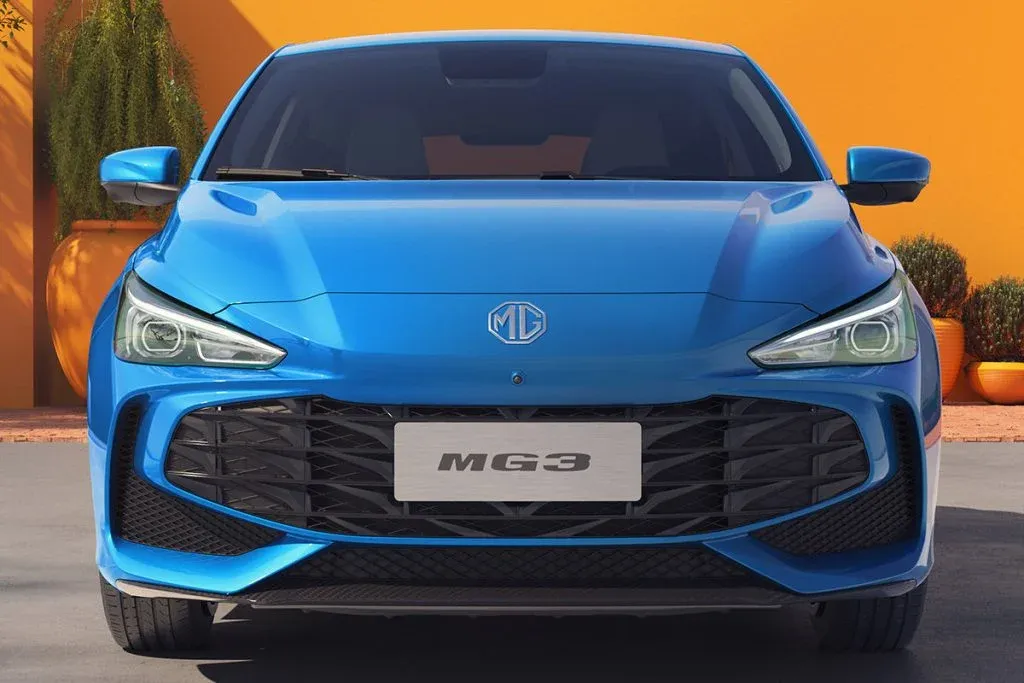
MG is adjusting its model range in the UK market: The MG3 small car, the compact ZS crossover and the larger HS SUV receive more equipment and revised Hybrid+ technology. At the same time, prices are rising. For buyers, this is a typical model-year adjustment with two sides: Entry becomes more expensive, but comfort, technology level and drive quality are intended to improve.
The changes affect three model lines that are particularly important for MG. The MG3 is the brand's cheapest model with a hybrid option, the ZS is one of the price-aggressive alternatives in the compact SUV segment, and the HS competes one class above against established family SUVs. In these segments in particular, it is often not only the list price that matters, but also how much equipment is already on board as standard.
What changes on the MG3
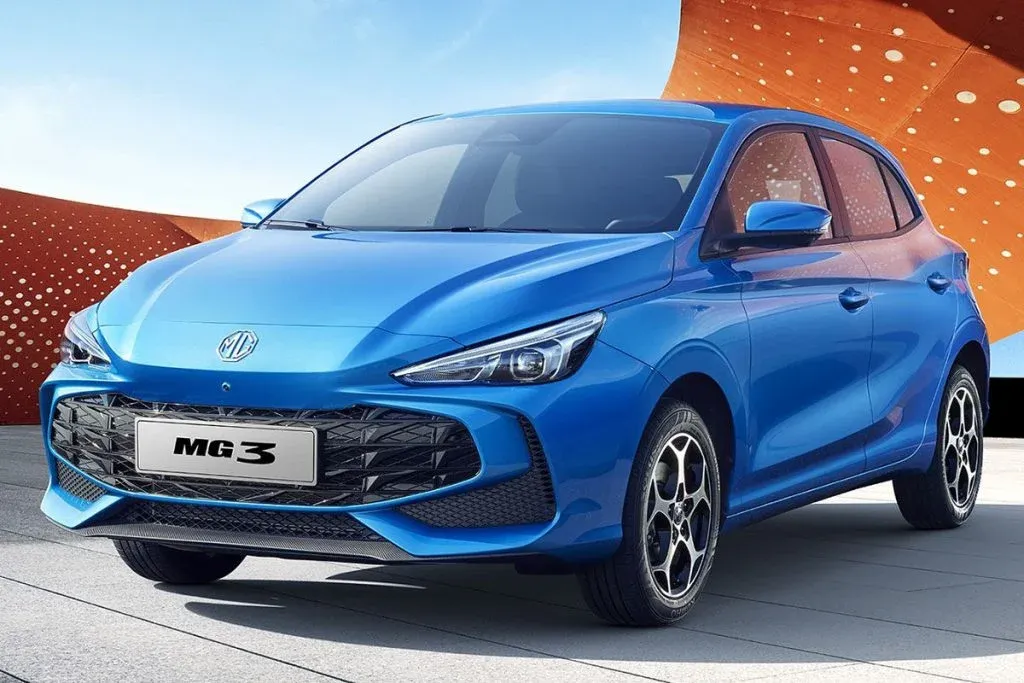
On the MG3, the entry price in the UK is rising. The pure petrol version MG3 SE now costs 17,995 pounds. That is an increase of 500 pounds compared with the previous level. The Hybrid+ version starts as an SE at 19,995 pounds, while the higher-equipped Trophy variant starts at 21,995 pounds. Both Hybrid+ versions therefore become 1,000 pounds more expensive.
This means the MG3 Hybrid+ remains positioned relatively affordably in the UK market, but loses some of its previous price advantage. The decisive question for interested buyers will be whether the additional standard equipment and the revised powertrain calibration justify the surcharge in everyday use. For private buyers who pay cash or finance, the higher list price is directly relevant. For leasing customers, the effect may be smaller or larger depending on residual value, interest rate and promotional offer.
Hybrid+ is intended to work more smoothly
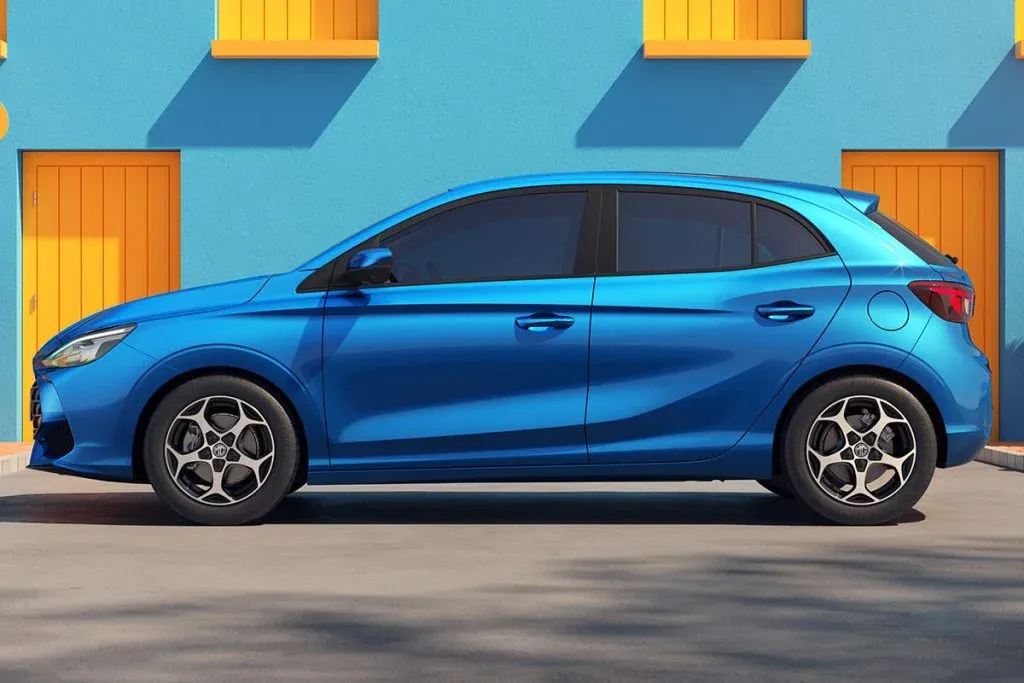
Technically, the basic concept of the Hybrid+ drive remains unchanged. MG combines a four-cylinder petrol engine with a 1.83-kWh battery and a three-speed transmission. System output remains at 191 bhp, which converts to around 194 PS. The revision does not focus on more peak power, but on the tuning of the electric powertrain.
MG cites adjustments to the traction motor and generator. The aim is more consistent power delivery over longer phases, as well as less noise and vibration. For drivers, this should be noticeable especially in the city, when accelerating from low speeds and when switching between electric and petrol operation. Hybrids in this price class are often judged by how unobtrusively they operate. A jerk-free transition between operating modes can shape the impression of quality more strongly than a slightly better acceleration time.
The efficiency figures of the MG3 Hybrid+ remain unchanged. Cited are 64.2 mpg in the combined cycle according to UK figures and CO2 emissions of 100 g/km. Converted, fuel consumption is roughly about 4.4 l/100 km, although real-world values, as always, depend heavily on driving profile, temperature, tyres and traffic conditions. The MG3 Hybrid+ is not a plug-in hybrid; the battery is charged while driving through recuperation and the combustion engine.
ZS and HS: also more expensive, also better equipped
The ZS and HS also become more expensive as part of the adjustment and receive additional equipment. For the ZS, a price increase of 1,000 pounds is mentioned. For the HS, the available information does not include complete, consistently quantified new price ranges, but it is clear that the larger SUV is also part of the model update with a higher price level and expanded equipment offering.
For the ZS, the price movement is particularly important because the model is sold strongly on its value-for-money factor. In a market where many buyers are switching from classic small cars or compact hatchback models to small SUVs, the entry price counts heavily. An increase of 1,000 pounds can shift purchase decisions, especially if competitors respond with discounts or financing offers.
With the HS, it is less about the absolute entry point into the brand and more about family utility, comfort and equipment in relation to the price. If MG integrates additional technology as standard here, the higher list price may be acceptable for many buyers – provided the equipment replaces options that previously had to be paid for separately, or noticeably improves everyday use.
Why MG is raising prices
The adjustment follows a broader industry trend. Many manufacturers are no longer raising prices only with completely new model generations, but also at model-year changes involving software, equipment or powertrain updates. Reasons include higher material costs, stricter regulation, rising expectations for assistance systems and the desire to stabilize margins despite intense competition.
MG is in a special position here. The brand has established itself in Europe and especially in the UK through comparatively low prices, long warranties and generous equipment. The more the brand grows, however, the more important not only the low entry price becomes, but also perceived quality. A quieter hybrid drive and more comfort equipment can help MG develop from a pure price disruptor into a more broadly accepted volume brand.
What buyers should check now
Anyone considering an MG3, ZS or HS should not compare only the old and new list prices. More important is the specific equipment of the respective version. If elements such as larger displays, assistance systems, comfort functions or improved interior materials are now included as standard, the real additional cost may be lower than the price list suggests.
It is also worth looking at stock vehicles. Dealers may still offer vehicles to the previous specification, possibly at more attractive conditions. These cars may be interesting for price-conscious buyers, provided the new Hybrid+ improvements or additional equipment details are not decisive.
Hybrid prospects should also plan a test drive. The announced refinement mainly concerns noise comfort, vibrations and the harmony of the drive. This can only be assessed to a limited extent on paper. Especially on short city routes, when pulling away gently and during intermediate sprints on country roads, it becomes clear whether the revised Hybrid+ actually feels more pleasant.
Significance for the market
The model update shows that MG does not want to defend its volume models solely through low prices. More equipment and a more refined hybrid drive are intended to make the cars more convincing in everyday use. At the same time, the brand is moving closer in price to established competitors. For buyers, this means: MG remains an interesting option in terms of price, but the gap to the competition will in future have to be assessed more closely on the basis of equipment, financing, consumption and driving feel.
For the industry, the step is another sign that affordable hybrids are gaining importance. Not every customer can or wants to switch to an electric car yet, and plug-in hybrids are often more expensive. An efficient full hybrid with simple use therefore remains a relevant offer – especially in small-car and SUV segments, where operating costs and purchase price are decisive.