SEAT Ibiza refreshed: More style and technology for the small car
The updated SEAT Ibiza receives a sharper design, revised interior details and more modern equipment. For buyers, it remains interesting above all as a classic, everyday-friendly supermini.
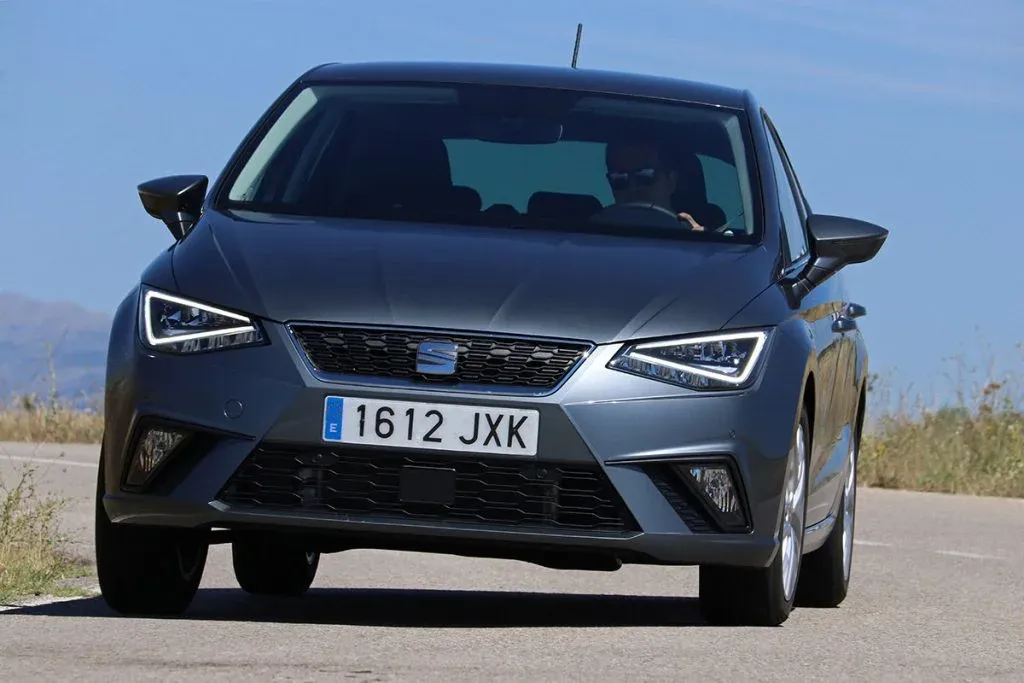
Classic in the small-car segment gets fine-tuning
SEAT is putting the updated Ibiza more firmly back into the spotlight for small-car buyers. For the current model year, the five-door supermini receives revised styling, new equipment details and an upgraded interior. In the United Kingdom, an entry price of 21,610 pounds is cited; this does not provide a direct statement on German prices or possible market positioning in other countries.
The Ibiza has been one of the better-known names in the European small-car segment for decades. Unlike many new models, it continues to rely on the classic format: compact exterior dimensions, five doors, reasonable everyday usability and a concept geared more toward driving feel than an SUV appearance. That is exactly what makes the model update relevant, because affordable small cars have become rarer in Europe. Many manufacturers have discontinued their smallest model lines, made them more expensive or replaced them with taller crossovers.
What changes on the outside
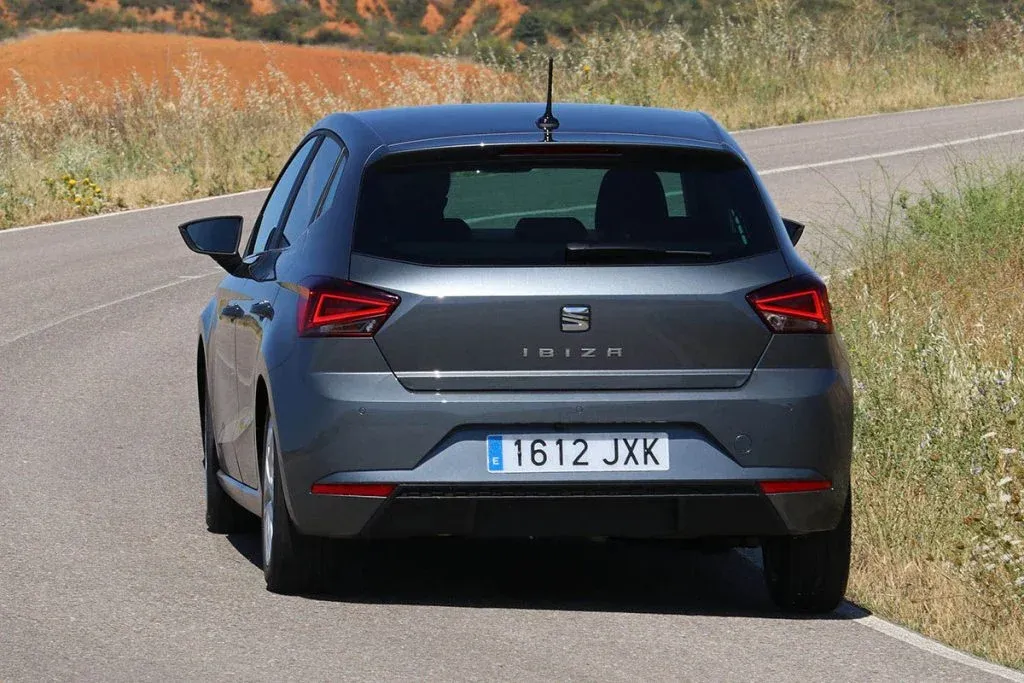
The most noticeable changes concern the front end. The Ibiza gets a revised hexagonal radiator grille, a newly drawn front apron and slimmer LED headlights. The aim is a broader, tauter-looking appearance without changing the model’s basic shape. The sharp side lines remain a defining feature of the Ibiza, as does the rather low small-car silhouette compared with many small SUVs.
Depending on the equipment, new alloy wheels are used. Sizes from 16 to 18 inches are mentioned. For the more sportily positioned FR variants, details such as darkened rear windows and a diffuser-like rear section are planned. New paint colors, including striking tones such as Liminal Red and Python Yellow, are intended to make the Ibiza look fresher visually.
These are not radical interventions, but that is exactly what is typical of a model update. The Ibiza is not being reinvented, but visually adapted to current tastes. For buyers, that means: anyone looking for a conventional small car does not automatically have to turn to a completely new or significantly more expensive model to get a modern appearance.
Interior: more refinement instead of revolution
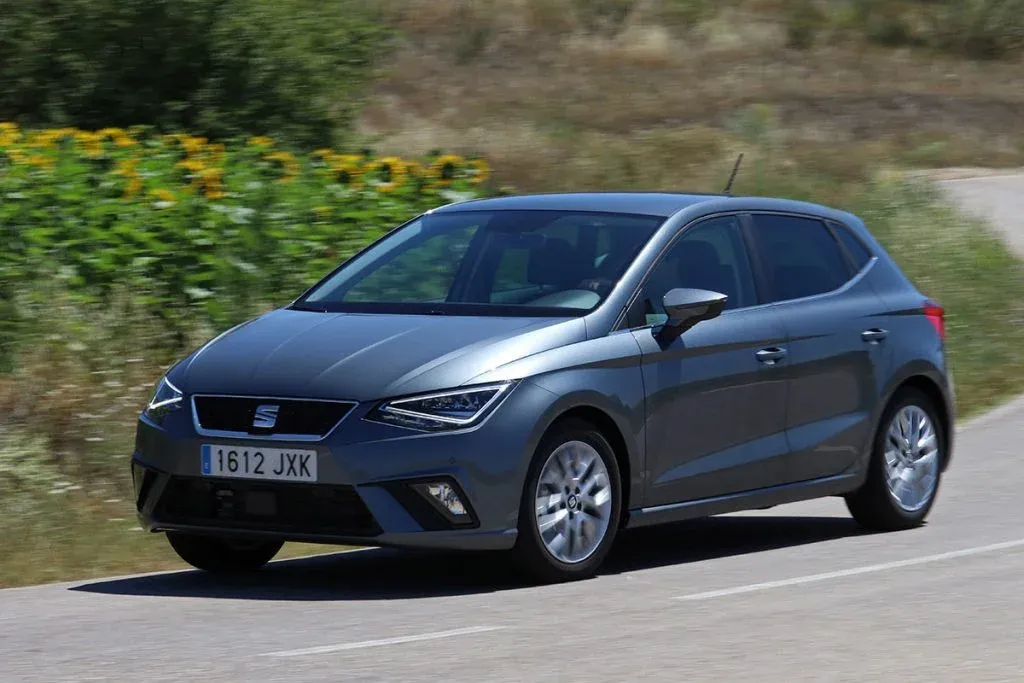
Inside, too, the focus is on a higher-quality impression and better usability. The available information speaks of more refinement in materials, operation and equipment scope. Specific details on screen sizes, infotainment versions or driver assistance packages are not fully available in the present model information. What is clear, however, is that SEAT is positioning the Ibiza more strongly through modern technology and comfort details than before.
This is particularly important in the small-car segment. Buyers today expect smartphone integration, easy-to-read displays, safe assistance systems and decent build quality even in small cars. At the same time, the price must not rise into ranges where larger compact cars or small SUVs seem more attractive. The Ibiza therefore has to manage a difficult balancing act: become more modern without losing its price advantage and its simplicity.
For owners of older Ibiza models, the combination of a fresher cockpit feel and familiar everyday usability is likely to be particularly interesting. Anyone who has liked the Ibiza so far because of its compact dimensions, handy driving behavior and manageable running costs should not experience a break with the revision.
Why the Ibiza remains relevant for buyers
The market for small cars has changed significantly. Models such as the Ford Fiesta or many affordable entry-level variants from other manufacturers have disappeared or are no longer available in the same form. At the same time, new-car prices have risen, and electric small cars often remain more expensive than comparable combustion-engine models. In this environment, a classic gasoline small car with a proven platform can still be a sensible choice.
The Ibiza uses technology from the Volkswagen Group environment, which is an argument for many buyers. This is less about prestige than about availability, familiar powertrain technology and a broad service network. The Ibiza has traditionally been set up a little more youthfully and dynamically than some of its group relatives, without giving up the utility value of a five-door small car.
For novice drivers, commuters, city dwellers and households with a second car, this package remains understandable. A small hatchback needs less parking space than an SUV, is generally lighter, more manageable and often cheaper to maintain. At the same time, a modern supermini offers enough comfort for longer journeys if the seating position, noise insulation and infotainment are right.
No electric focus, but a realistic offering
It is striking that the update is not being communicated as a major electrification step. The Ibiza therefore remains primarily a conventional small car. This can be seen as a disadvantage, because emission-free urban mobility continues to gain importance. For many private buyers, however, the purchase price still matters. As long as affordable electric small cars are not available across the board, efficient combustion engines in this class retain a practical role.
For the industry, the Ibiza also illustrates a dilemma: small cars have to meet stricter safety and emissions requirements, but must not become too expensive. Every additional screen, every assistance system and every material upgrade increases costs. A targeted model update is therefore often more economical than a completely new development.
Classification
The refreshed SEAT Ibiza is not a surprise and not a technological leap, but a careful update of a familiar small car. The new face, the fresh wheels, the sportier FR details and the promised interior upgrade are intended to keep it competitive against modern rivals.
For buyers, it now comes down to the specific equipment scopes, engines and prices in the respective market. The British entry price of 21,610 pounds provides an initial orientation, but does not replace a local price list. The decisive factor will be whether SEAT offers enough equipment as standard and whether the Ibiza maintains sufficient price distance from larger or electrified alternatives.
That is precisely why this model update is interesting: it shows that the traditional small car has not yet had its day. At a time when many new cars are becoming larger, heavier and more expensive, a compact, practical and driver-focused supermini remains a very rational choice for many motorists.