Porsche 911 GT3 Bergsport: Limited Europe Edition with Hill-Climb Racing Link
Porsche is launching the 911 GT3 Bergsport in just 100 examples for four European markets. The special edition emphasizes Alpine and hill-climb racing tradition – and officially remains withheld from the USA.
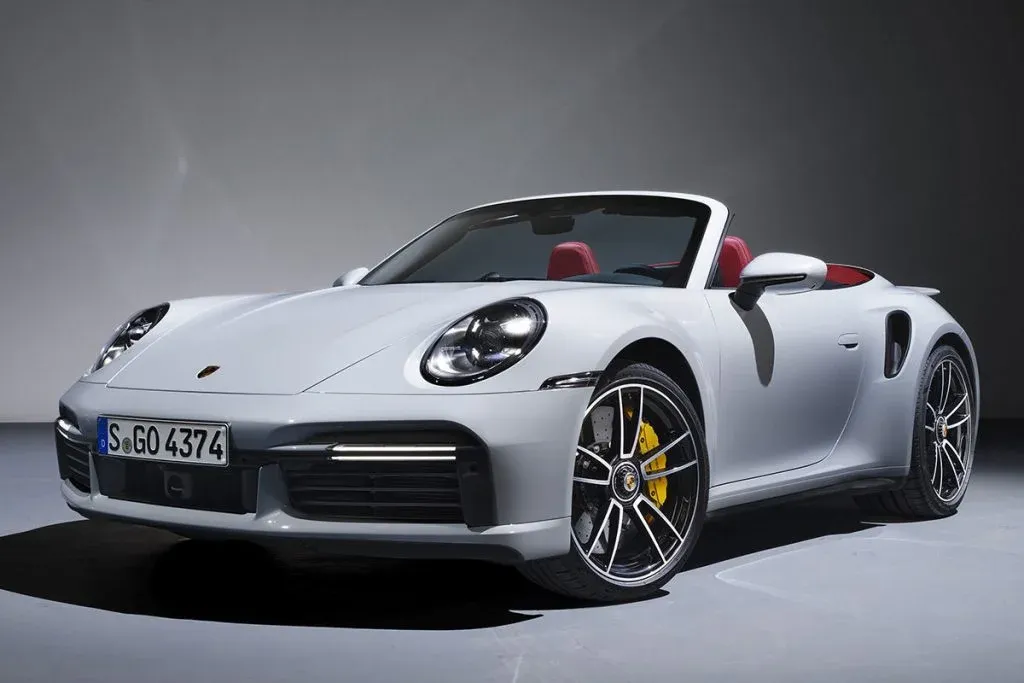
Porsche is expanding the 911 GT3 family with a particularly limited special edition: the 911 GT3 Bergsport. The model is limited to 100 vehicles and will be offered exclusively in four European countries. For customers in the USA, the car is therefore not an official new-car offering, but at most remains a subject for later imports, collector observation, or the international secondary market.
The name sets the direction. “Bergsport” refers to the tradition of hill-climb racing, where light, precise, high-revving sports cars have been fighting for hundredths of a second on narrow, steep roads for decades. Porsche is thus taking up a theme that fits well with the positioning of the 911 GT3: a road-legal sports car that, more than many other 911 variants, is designed around driving feel, aerodynamics, rev-happiness, and proximity to the racetrack.
100 examples for four European markets
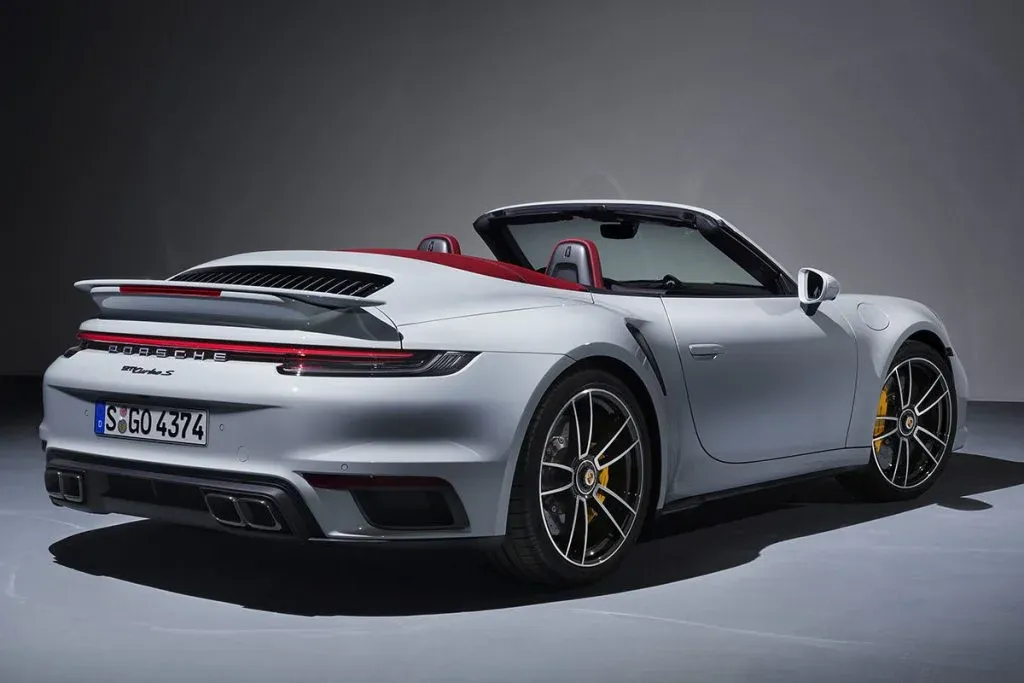
The most important number for the 911 GT3 Bergsport is 100. No more vehicles are planned. That places the edition in a range where availability becomes almost more important than the pure technical specification. Anyone who wants to buy such a GT3 will likely not simply be able to configure and order one, but will depend on allocation, dealer contacts, and market priorities.
Porsche is limiting sales to four European countries. Which buyer groups ultimately gain access therefore depends not only on budget, but also on location and the respective sales structure. For interested parties outside these markets, this is relevant because artificially scarce availability, in experience, has an early influence on perception and resale values. Especially with limited Porsche models, the first few months often decide whether a car is traded as a rare collector version or remains in the shadow of larger special-model series.
No official sale in the USA
The fact that the 911 GT3 Bergsport is not intended for the US market makes the car especially desirable from an American perspective, but it also changes the practical classification. US customers cannot simply go to a dealer and order a new vehicle with local specification. A later import, if possible at all, would depend on registration rules, the age of the vehicle, emissions and safety requirements, as well as individual approvals.
For European buyers, this restriction may increase the appeal. If a special model is not officially offered in important global markets, the circle of potential first owners shrinks. That can strengthen the collector perspective, but it does not guarantee value development. Condition, mileage, equipment, documentation, and actual demand for exactly this variant remain decisive.
Visual differentiation instead of a completely new model line
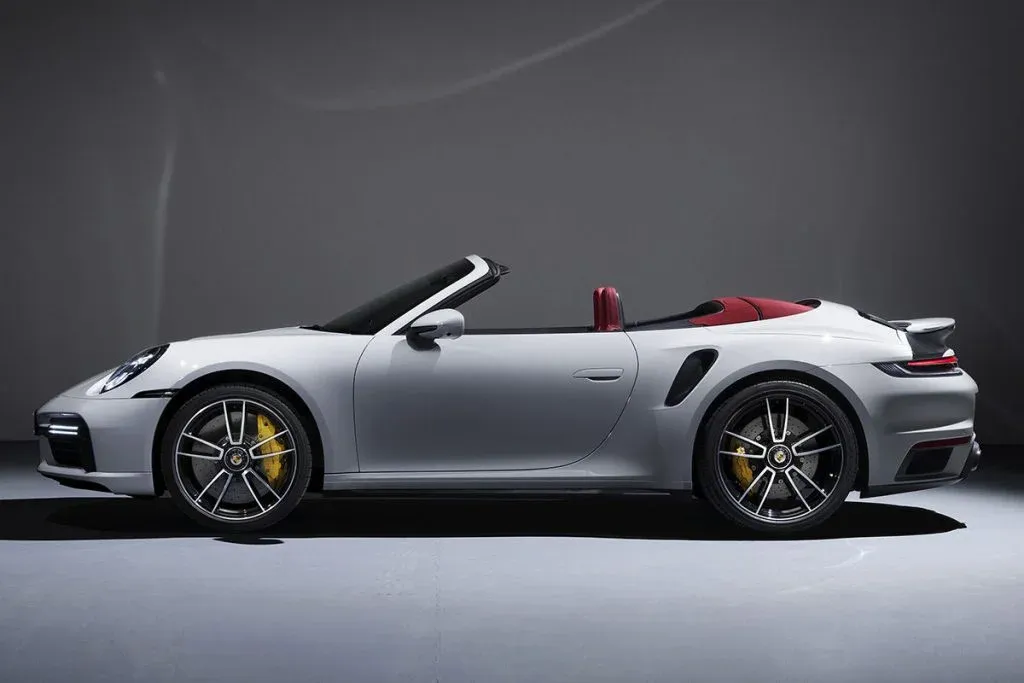
The 911 GT3 Bergsport is not an independent model family, but a limited version within the familiar GT3 environment. The focus is on the special design. Its debut includes a new color shade intended to set the special edition apart visually more clearly from regular GT3 models. The connection to Alpine motorsport and hill-climb racing is not just a matter of the name, but part of the entire narrative surrounding the vehicle.
Such edition models serve several purposes at Porsche. They give long-standing customers a variant with a special story, keep an existing model emotionally fresh, and create talking points without necessarily introducing a completely new technical basis. For enthusiasts, that is exactly where opinions diverge: some prefer special models with far-reaching technical changes, while others appreciate rare color and equipment combinations, as long as the basis remains a credible driver’s car.
With the GT3, this basis is strong enough to support such an edition. The current 911 GT3 traditionally stands for a high-revving naturally aspirated engine, precise front-axle guidance, racetrack tuning, and a more direct connection between driver and car than in more comfort-oriented 911 versions. Whether and to what extent the Bergsport receives technical deviations compared with a regular GT3 cannot be conclusively assessed based on the information currently known. What is certain above all is the limited production number, European distribution, and special design orientation.
Why the hill-climb racing connection fits
Hill-climb racing is a motorsport world of its own. Unlike on circuits, there is no second chance on the next lap, no long straight to make up time, and often only narrow courses with changing surfaces. That is precisely where a predictable chassis, exact controllability, good traction, and an engine that responds quickly to throttle inputs count. As a starting point, the 911 GT3 therefore fits a Bergsport theme better than a heavier, more comfort-oriented model.
Porsche has a long history on winding roads, mountain-pass routes, and at European motorsport events. Even if the 911 GT3 Bergsport is not a pure competition car, it takes up this culture. For fans of the brand, this is more than decoration: it connects a modern collector vehicle with a form of motorsport that lives not only from top speed, but from precision, courage, and mechanical feedback.
Significance for buyers and owners
For potential buyers, the Bergsport is above all a question of priorities. Anyone looking for the best driving-dynamics value per euro will probably also get very far with a regular 911 GT3. Those who, by contrast, want rarity, a special story, and a clearly recognizable special version will find a significantly more exclusive offering in the Bergsport.
Owners of normal GT3 models need not fear that their vehicle will suddenly seem outdated. Limited editions rarely change the fundamental position of the base model. But they can increase attention on the entire GT3 range and thereby also strengthen interest in well-equipped or rarely configured series-production vehicles.
For collectors, the low production number is attractive, but not decisive on its own. A limited Porsche model remains especially sought after when the specification is coherent, the story remains understandable, and the car is not perceived merely as a color package. The name Bergsport helps here because it sets a clear theme: European roads, Alpine dynamics, and proximity to motorsport.
Significance for Porsche and the market
The 911 GT3 Bergsport shows how important curated small series have become in the upper sports-car segment. Manufacturers do not have to deliver more power or radically new hardware every time to create desirability. A credible idea, limited production, and a close connection to brand history are often enough to make a model interesting for collectors.
At the same time, this strategy increases the pressure on buyers. Anyone who wants such a car must be quick, well connected, and often already have a relationship with the brand or the dealer network. For the industry, this is lucrative, but for some enthusiasts it is frustrating because especially desirable vehicles are increasingly rarely freely available.
The Porsche 911 GT3 Bergsport is therefore remarkable less because of a single technical figure than because of its market position. It is a very scarce, Europe-focused special model with a motorsport allusion that further expands the GT3 myth. For most fans, it will remain a rarely seen sight. For the few buyers who receive an allocation, precisely this rarity is likely to be a significant part of the appeal.