Polestar Questions US Ban After Volvo Exemption
Polestar sees itself as being treated unequally in the US: While Volvo receives an exemption from a safety-related sales ban, the future of Polestar models on the market remains uncertain.
Polestar Sees Contradiction in US Decision
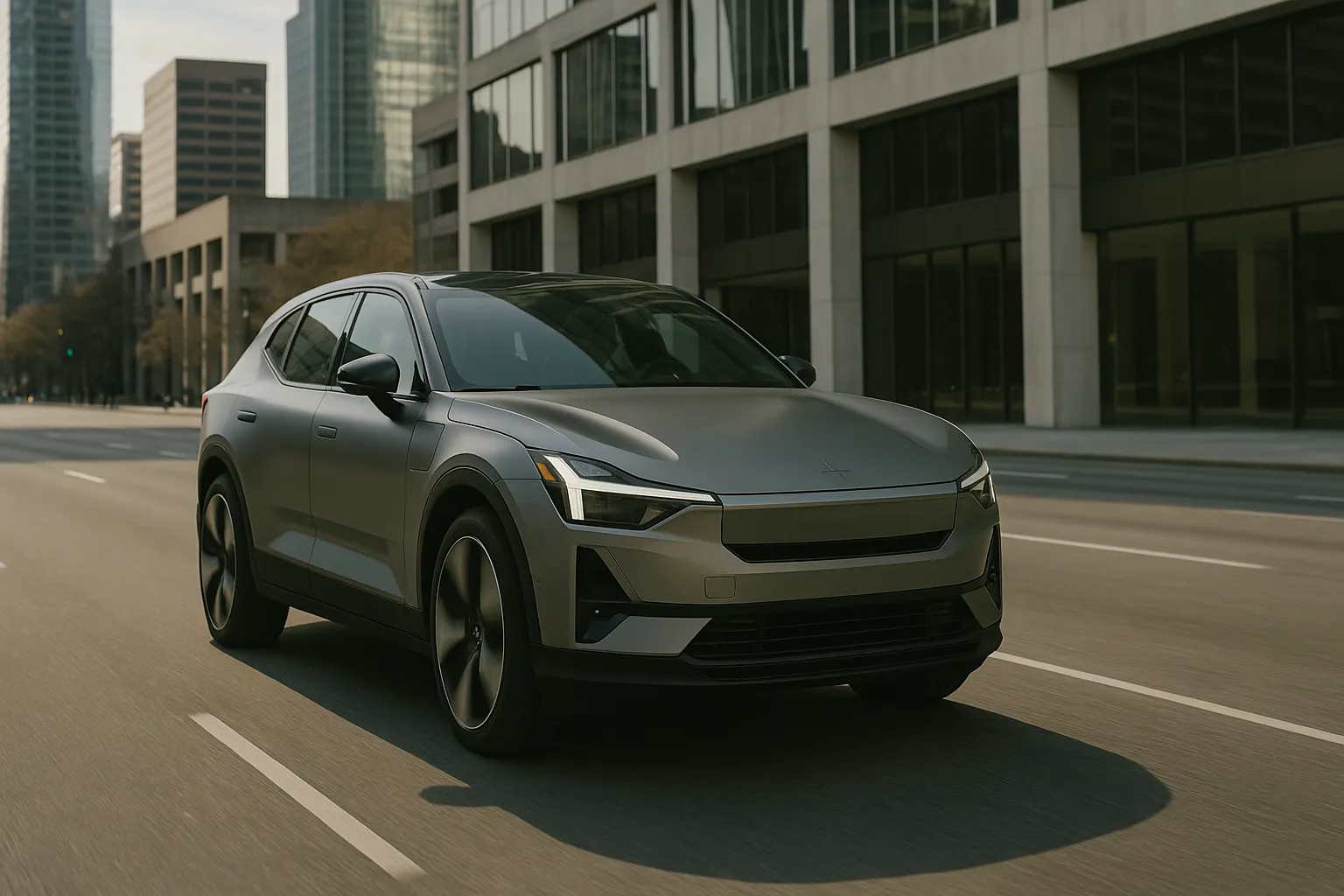
Polestar is questioning a US ban directed at the company after Volvo apparently received an exemption from comparable restrictions. The electric car manufacturer argues that the differing treatment is not understandable because both brands have close ties to the Chinese Geely Group and at the same time can point to European roots, Western development structures and, in some cases, production plans close to the US.
At its core, this is not just about a single company, but about a larger question for the auto industry: How does the US deal with vehicles that combine digital systems, international supply chains and ownership structures with links to China? For buyers, this is relevant because regulatory decisions can now directly influence which models are offered at all, how long delivery times are, and how stable service, software supply and resale values remain.
Why Volvo Is Treated Differently Than Polestar
The dispute comes at a time when the US is significantly tightening its approach to connected vehicles. Modern cars collect and process large amounts of data, communicate with cloud services, receive software updates remotely and use complex electronics from global suppliers. Authorities increasingly view such vehicles not only as means of transport, but also as digital platforms with potential security risks.
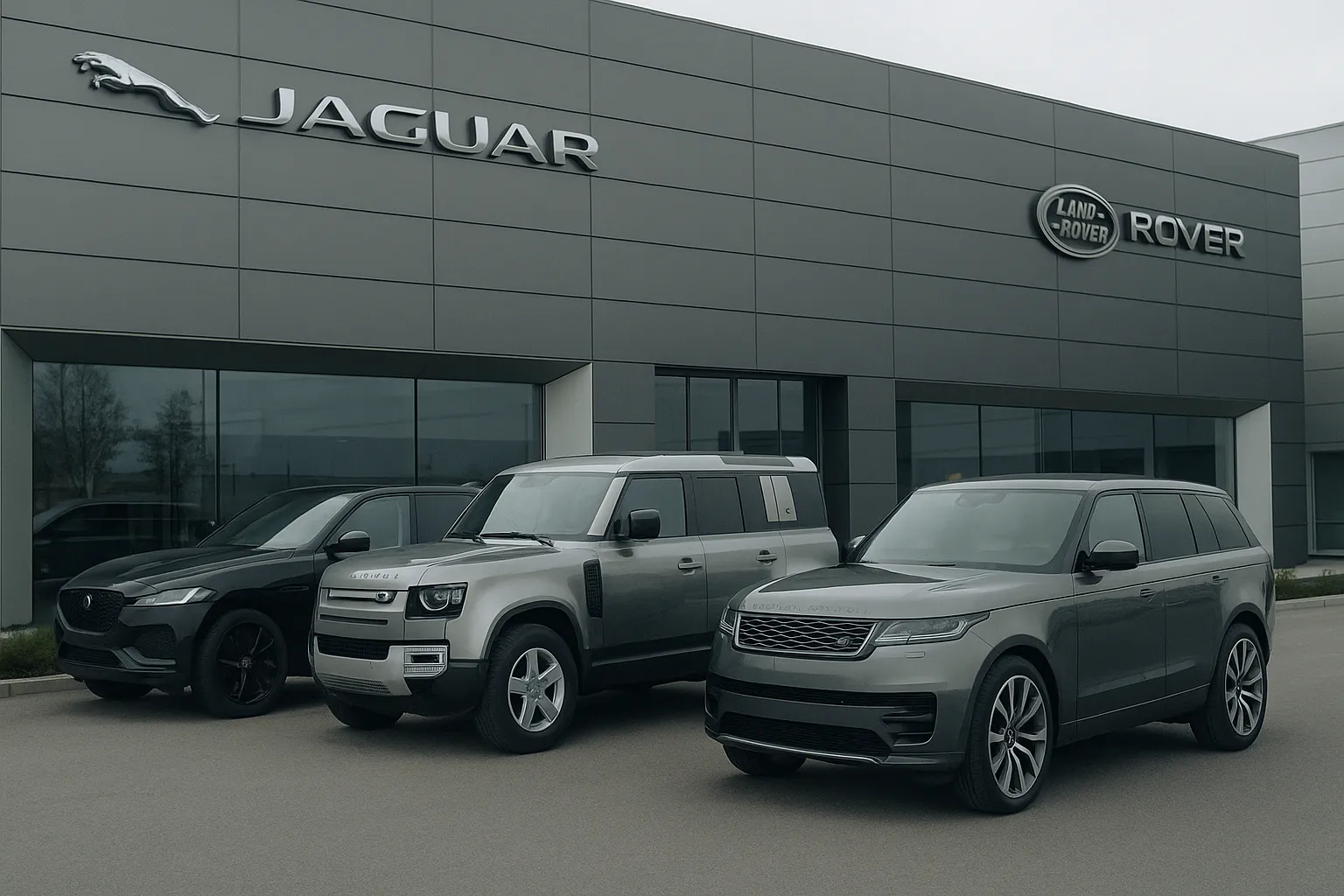
Volvo and Polestar are a particularly interesting example of this. Volvo is a traditional Swedish brand, but has belonged to the Geely Group for years. Polestar emerged from the Volvo environment, is also shaped by Sweden and has Geely as an important shareholder. From Polestar's perspective, the obvious question is therefore why one brand receives an exemption while the other remains affected by restrictions.
One possible explanation lies in the specific corporate structure, the technical architecture of the vehicles, the data flows, the production sites or the commitments made to US authorities. Such details are not fully transparent to outsiders. It is precisely this lack of transparency that makes the case so significant for the industry: Manufacturers need reliable criteria in order to plan products, plants and supply chains.
Which Models Could Be Affected
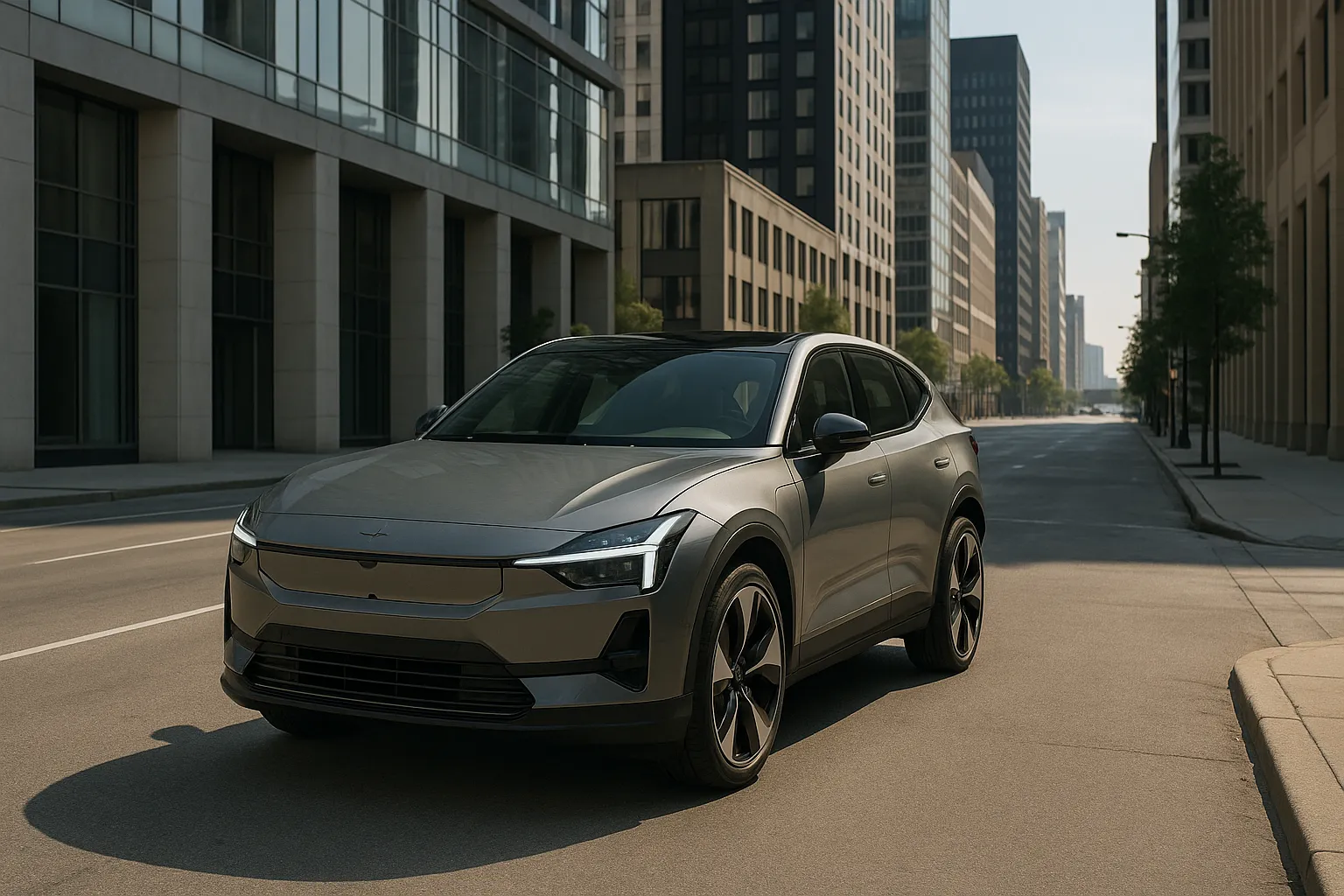
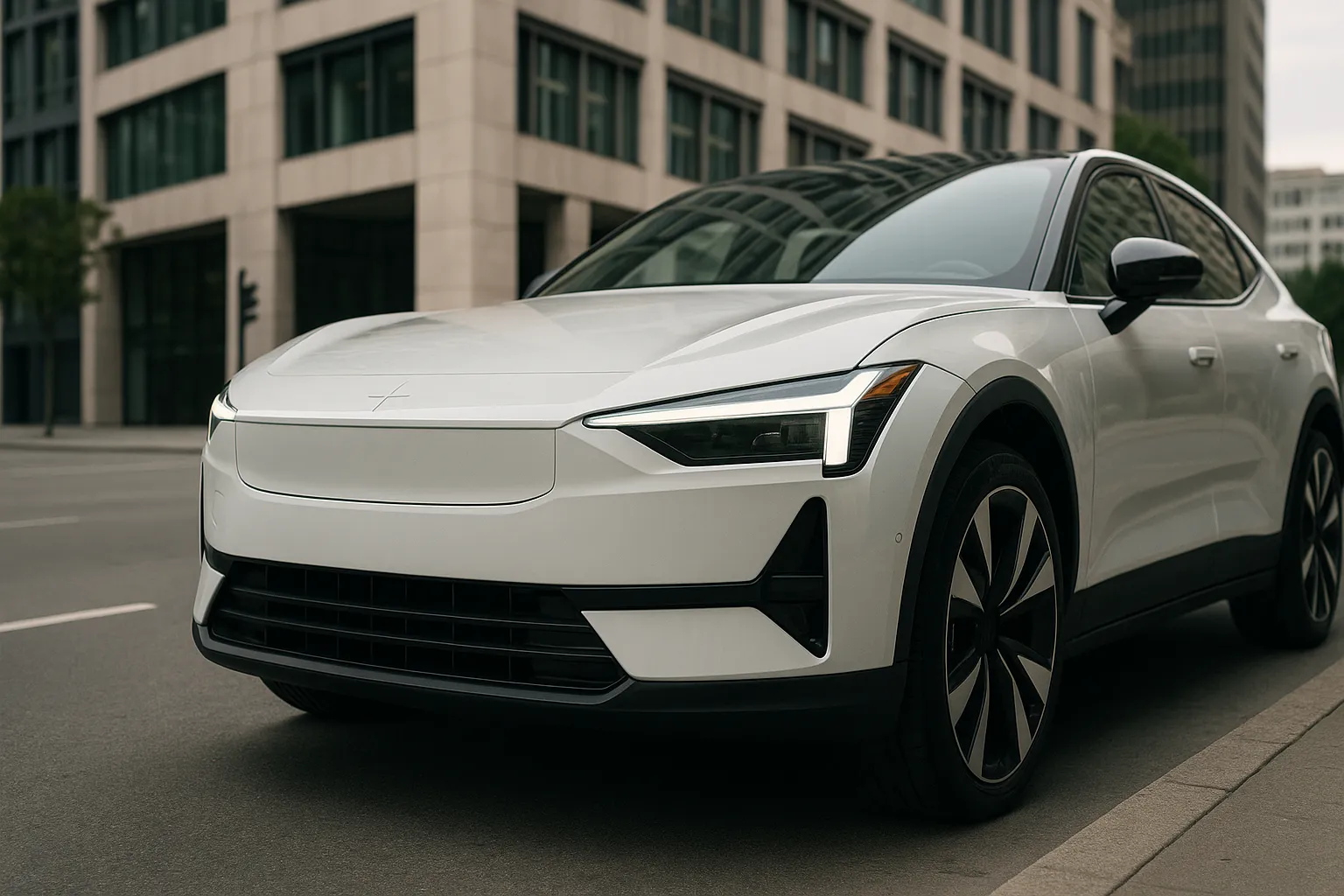
For Polestar, the US market is strategically important. The brand sells battery-electric vehicles there such as the Polestar 2 and is expanding its range with larger models. The Polestar 3 is particularly important as an electric premium SUV because it competes in a segment that is traditionally strong in the US. It is also closely related to Volvo technology and was intended to make the brand more visible against established premium manufacturers and new electric car competitors.
The Polestar 4 also plays an important role in the brand's growth. It is positioned between a classic SUV and a coupé-like electric crossover and targets buyers looking for design, range, performance and digital functions in a premium vehicle. In the US, however, for such models it is no longer only the selling price or the range that matters, but also the regulatory permissibility of the underlying software and hardware architecture.
Existing Polestar owners should follow developments closely, but should not hastily assume that their vehicles will immediately become unusable. A sales or import ban usually initially affects the registration of new vehicles or future distribution. However, it may remain unclear how political decisions will affect parts supply, model updates, software functions, leasing values and dealer networks in the long term.
Significance for Buyers and Leasing Customers
Anyone in the US who wants to buy or lease a Polestar faces an unusual kind of uncertainty. Normally, buyers compare range, charging power, price, warranty, build quality and dealer proximity. In this case, the question is added of whether a model will remain available on the market in the long term and whether the manufacturer is able to continue its offering without interruptions.
This particularly affects leasing customers. If a model comes under regulatory pressure, that can influence residual values. Residual values, in turn, affect leasing rates. Dealers and financing providers also calculate more cautiously when it is unclear whether a vehicle program will remain stable in the long term. For buyers, this can mean both disadvantages and opportunities: On the one hand, uncertainty increases; on the other hand, manufacturers could try to create trust with price promotions, warranty commitments or service packages.
For owners, the decisive factor is whether the manufacturer continues to maintain a robust service network. Electric cars require less conventional maintenance than combustion-engine vehicles, but they are heavily dependent on diagnostic equipment, software, battery components and brand-specific parts. A manufacturer that is restricted by regulation in a market must convincingly explain how customers will be supported in the long term.
A Precedent for Connected Vehicles
The Polestar case shows how closely automotive and technology policy are now intertwined. In the past, trade conflicts often revolved around tariffs, local production or emissions standards. Today, they additionally involve data access, software control, cybersecurity and the question of which foreign ownership structures are considered acceptable.
For the auto industry, this is a signal: Global platform strategies are becoming more difficult. A vehicle that is technically developed uniformly worldwide can encounter resistance in individual markets because of software, sensors or corporate ties. Manufacturers must therefore assess their supply chains not only according to cost and quality, but also according to political resilience.
Electric cars are particularly affected because many young EV brands are internationally financed, globally developed and highly digitalized. In addition, China plays a central role in batteries, electronics, raw materials and manufacturing. Even brands with a European design center or US production can have components or capital links that raise questions for authorities.
Why the Volvo Exemption Is So Explosive
The Volvo exemption is so important for Polestar because it shows that a connection to China apparently does not automatically have to lead to exclusion. If a brand with Geely ownership is allowed to continue operating under certain conditions, Polestar wants to know which conditions must be met and why its own situation is assessed differently.
The argument of unequal treatment is aimed at consistency. Regulators may assess individual cases differently, but they must be able to justify these differences. For manufacturers, this is crucial because investments in plants, dealers, supplier contracts and model programs are planned years in advance. If criteria remain unclear, the risk increases for every brand with a complex international ownership structure.
Volvo also benefits indirectly from a clear line. An exemption can bring short-term certainty, but in the long term no manufacturer wants to depend on a decision whose basis is difficult for competitors and customers to understand. The clearer the rules, the better brands can adapt their vehicles, separate data architectures or build local production and software solutions.
What Becomes Important Next
The decisive question now is whether Polestar can achieve a reassessment, an exemption or changed requirements. Possible measures could include technical commitments, stricter data localization, changes to software suppliers, additional controls or adjustments in corporate governance. Which measures would be sufficient is currently not certain.
For US buyers, this means: Anyone considering a Polestar in the short term should carefully check availability, delivery date, warranty conditions and the service network. Anyone who already owns a vehicle should pay attention to official customer information on software updates, parts and dealer coverage. For enthusiasts, the case remains exciting because it shows that the future of electric cars is not decided solely by battery size, charging speed or driving dynamics.
In the end, it is about trust. Buyers must be able to trust that a vehicle will be supported for years. Manufacturers must be able to trust that rules will be applied in a comprehensible way. And regulators must find a way to protect security interests without making competition unnecessarily unpredictable. The conflict between Polestar and the US authorities is therefore more than a brand dispute: It is a test case for the next phase of the global auto industry.