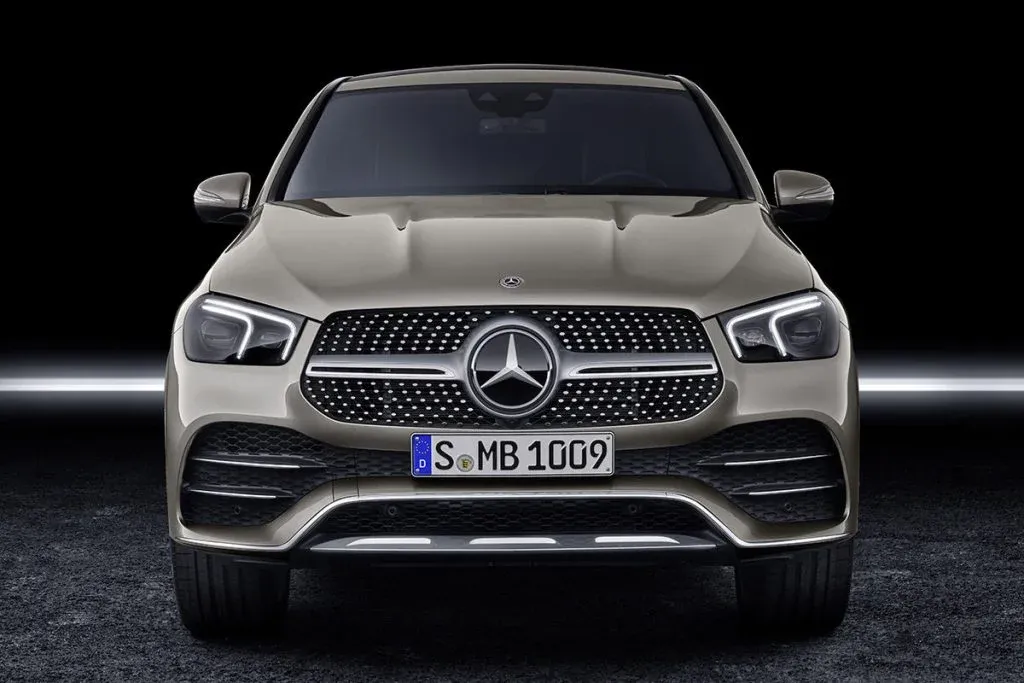
NHTSA wants to modernize US rules against glaring headlights
The US traffic safety agency is working on updated requirements for vehicle lighting. The goal is less glare, better visibility, and rules that better reflect modern lighting technology.
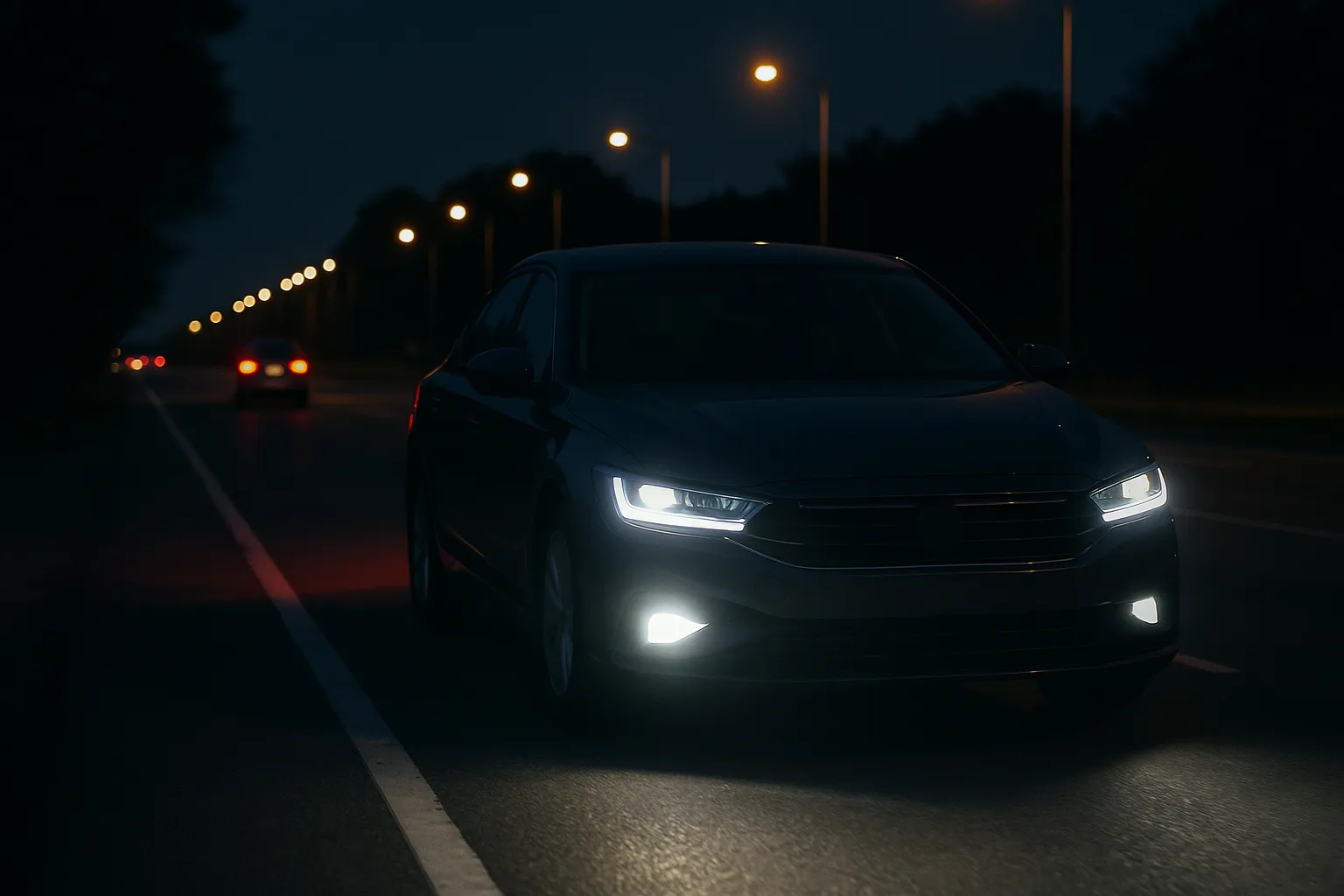
The US traffic safety agency NHTSA is taking aim at an issue that many drivers have felt in everyday driving for years: severely glaring headlights. A revision of vehicle lighting rules is planned, intended to better capture both the light output of modern systems and their effect on other road users. At its core, the issue is a balance that is difficult to achieve in practice: drivers should be able to see as much as possible at night without unnecessarily dazzling oncoming road users or those ahead.
The move is relevant above all because lighting technology has developed faster than some regulations. Halogen lamps, xenon systems, LED matrix modules, and adaptive high-beam functions differ considerably in technical terms. Many current cars can control their light more precisely than older vehicles, but regulatory requirements determine which functions may actually be offered and how they are tested.
Why headlights are so often perceived as a problem today
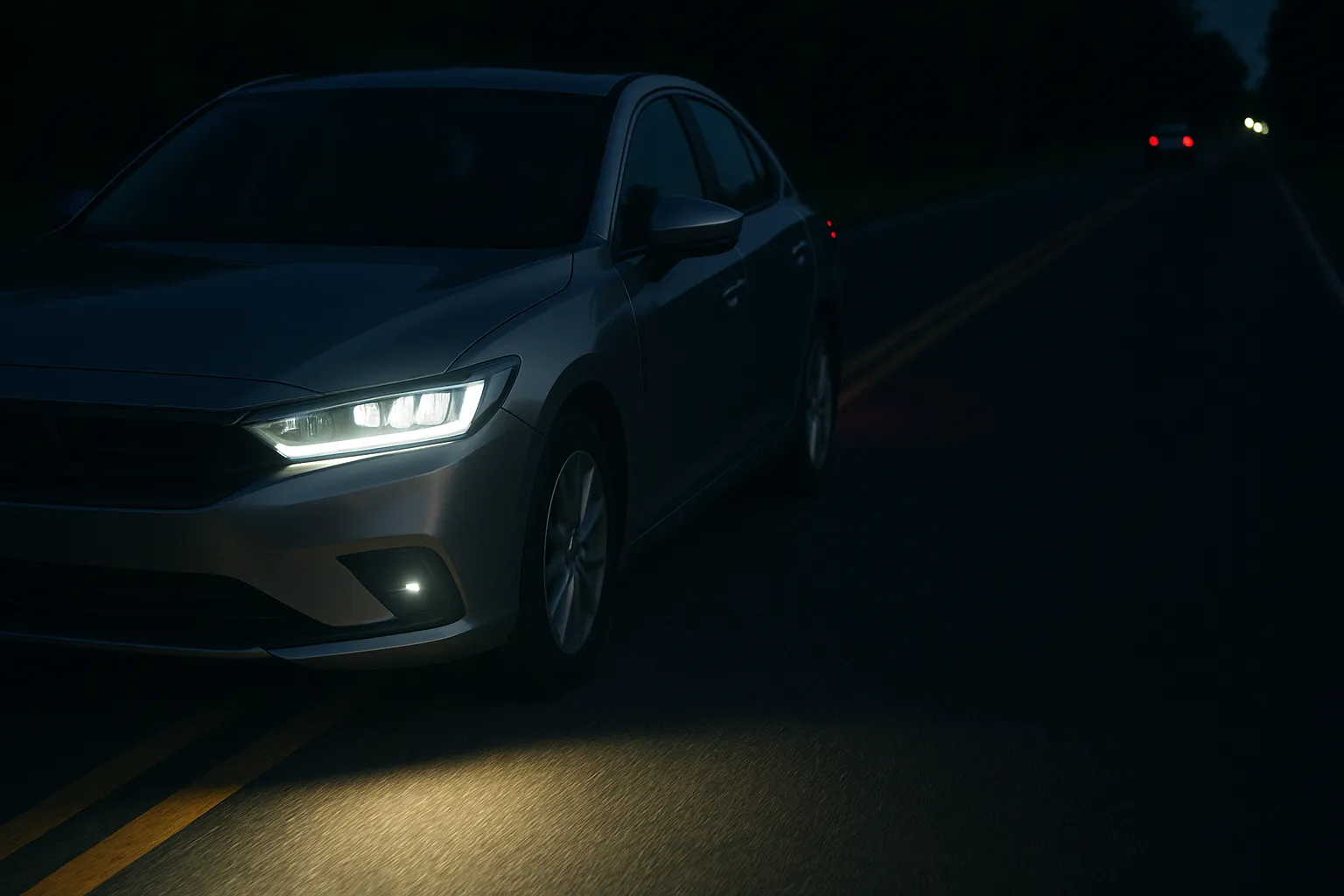
Glare is not a new phenomenon, but several developments have made it more significant. LED headlights often produce a very white, sharply defined light. This can illuminate the road well, but under certain angles other road users perceive it as unpleasant or disturbing. Added to this is the growing number of taller vehicles such as SUVs and pick-ups. If the light source sits higher, it is more likely to meet the eye level of drivers in lower cars.
Vehicle loading also plays a role. A heavily loaded trunk or trailer operation can raise the front slightly and shift the light beam. Automatic headlight leveling, correctly adjusted headlights, and suitable test procedures are therefore crucial. Even a technically good lighting system can cause glare if it is incorrectly adjusted or if the legal test conditions do not sufficiently cover real traffic situations.
What the NHTSA wants to change
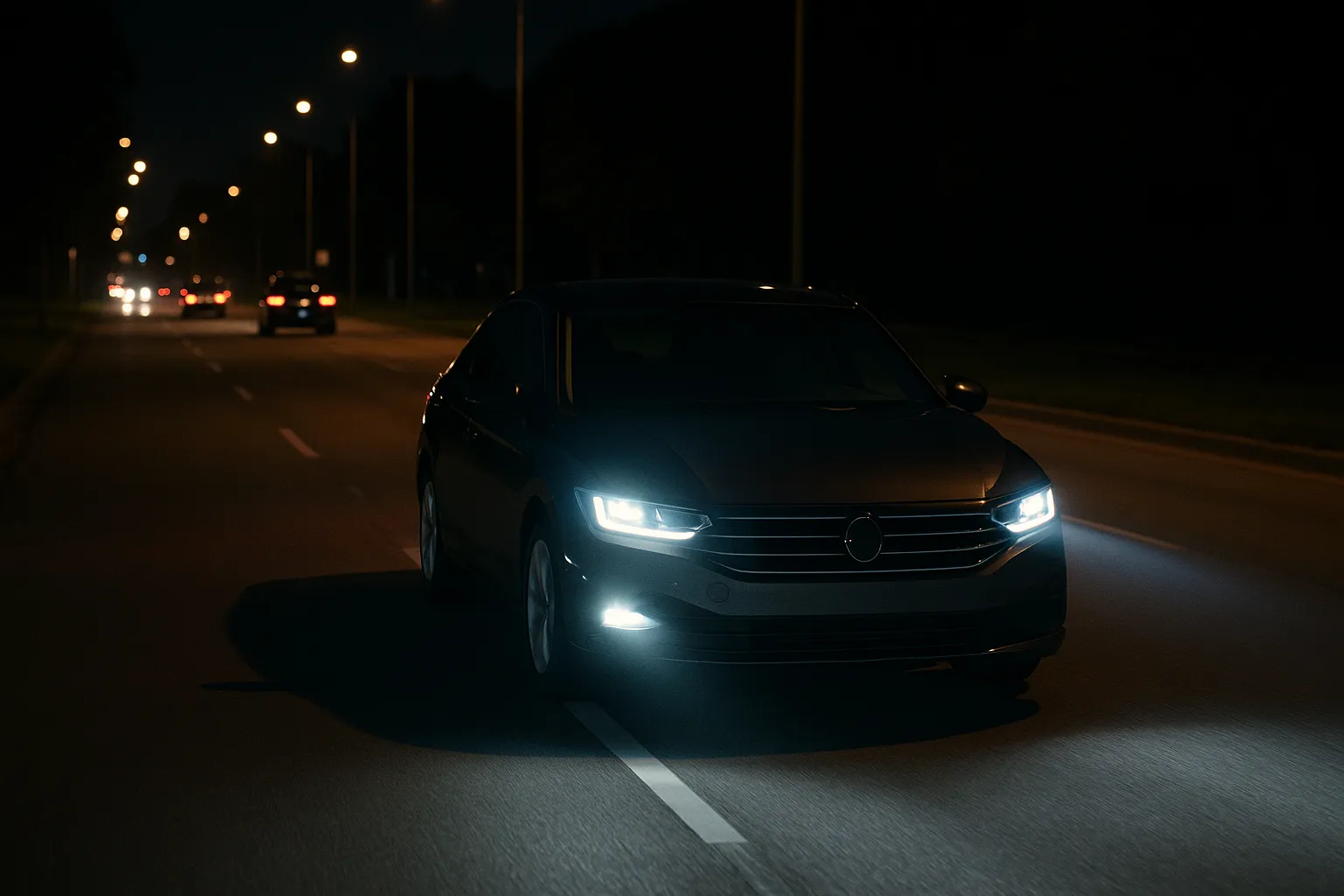
The NHTSA is working on updated requirements for vehicle lighting. The exact scope, timetable, and final wording of the new rules have not yet been definitively established. However, the direction is clear: the regulations are to be tailored more closely to today's lighting technology and take the issue of glare more clearly into account.
This is not simply about making headlights darker across the board. That would be problematic for safety, because good night visibility helps drivers detect pedestrians, animals, unlit obstacles, and the course of the road earlier. More sensible is more precise control of the light: more illumination where it helps the driver, and less light in the areas where others are dazzled.
Modern systems such as adaptive high-beam assistants or matrix-based LED headlights can mask out individual areas while the rest of the road continues to be illuminated far ahead. In Europe, such functions have been widespread for years. In the USA, adaptive headlight systems have been made possible from a regulatory standpoint, but concrete implementation has remained complex due to national testing and performance requirements. Modernization could give manufacturers more clarity and make it easier to introduce powerful systems with less glare.
What this means for new-car buyers
For car buyers in the USA, revised rules could mean better lighting systems in the medium term. Vehicles could more often be offered with adaptive functions that are currently available to varying degrees depending on model, equipment, and market. Premium vehicles in particular often have technically highly developed lighting modules whose range of functions can differ depending on the region. More uniform and more up-to-date rules would help manufacturers homologate systems without extensive region-specific special solutions.
For buyers, however, it is important to note: new rules do not affect all vehicles overnight. Regulation, technical adaptation, model-year planning, and supplier contracts take time. New requirements would probably first become visible in upcoming model generations or revised model lines. Vehicles that have already been approved generally do not have to be automatically retrofitted as long as they comply with the regulations that applied at the time.
Anyone buying a car today should nevertheless pay closer attention to the lighting equipment. Terms such as LED headlights, automatic high beam, cornering lights, adaptive light distribution, or matrix lighting do not always mean the same thing. What matters is how well the system performs in independent tests, whether it reliably switches between high and low beam, and whether the headlight range remains correctly adjusted.
What owners can already do
Even without new rules, glare can be reduced in everyday use. Owners should have the headlight adjustment checked regularly, especially after suspension work, tire changes involving a different size, accidents, or frequent trailer operation. Dirty lenses or yellowed plastic covers can worsen light distribution. Equally problematic are unsuitable retrofit bulbs in headlights that were not designed for that light source.
A common problem is LED replacement bulbs in older halogen housings. They can appear brighter, but change the light distribution and produce more stray light. What matters is not brightness alone, but the optical tuning of the entire headlight. Anyone converting should use only permitted components and then have the adjustment checked.
Significance for manufacturers and suppliers
For the auto industry, the planned update is more than a comfort issue. Headlights have long been an important differentiating feature. Manufacturers are investing in compact LED modules, laser auxiliary high beams, digital light projection, and camera-controlled regulation algorithms. At the same time, they have to reconcile costs, repairability, and legal requirements.
New US requirements could initially increase development effort, but also bring advantages in the long term. If test procedures become closer to reality and more compatible internationally, systems can be developed more efficiently. Suppliers could standardize their hardware and software for several markets. This would be especially relevant for global models intended to be sold in North America, Europe, and Asia with technology that is as similar as possible.
Another point is liability and customer satisfaction. Complaints about glare affect not only authorities, but also brands. A car that provides excellent illumination at night but regularly irritates other road users can become an image problem. Better rules can help create more objective standards for acceptable light distribution.
Why the debate is not simply “bright versus dark”
The discussion about headlights is often emotional because glare is immediately unpleasant. Nevertheless, a solution aimed purely at maximum light reduction would be too narrow. Night driving remains a safety risk, and poor visibility increases the danger of serious accidents. Advanced lighting technology can help here if it is properly regulated and cleanly calibrated.
The planned modernization is therefore an important step: it acknowledges that today's vehicles should no longer be assessed according to the standards of earlier lighting generations. For drivers, what matters in the end is a simple result: seeing more at night without endangering or disturbing others. Whether the new rules achieve this goal depends on the details – from measurement methods and limits to the question of how adaptive systems are assessed under real conditions.
For buyers, owners, and enthusiasts, it is worth keeping an eye on the topic. Headlights are among the most safety-relevant technologies on a car, but they are often noticed only when they are annoying or insufficient. Contemporary regulation could help modern lighting technology better realize its potential: better visibility for the driver, less glare for everyone else, and clearer framework conditions for the industry.