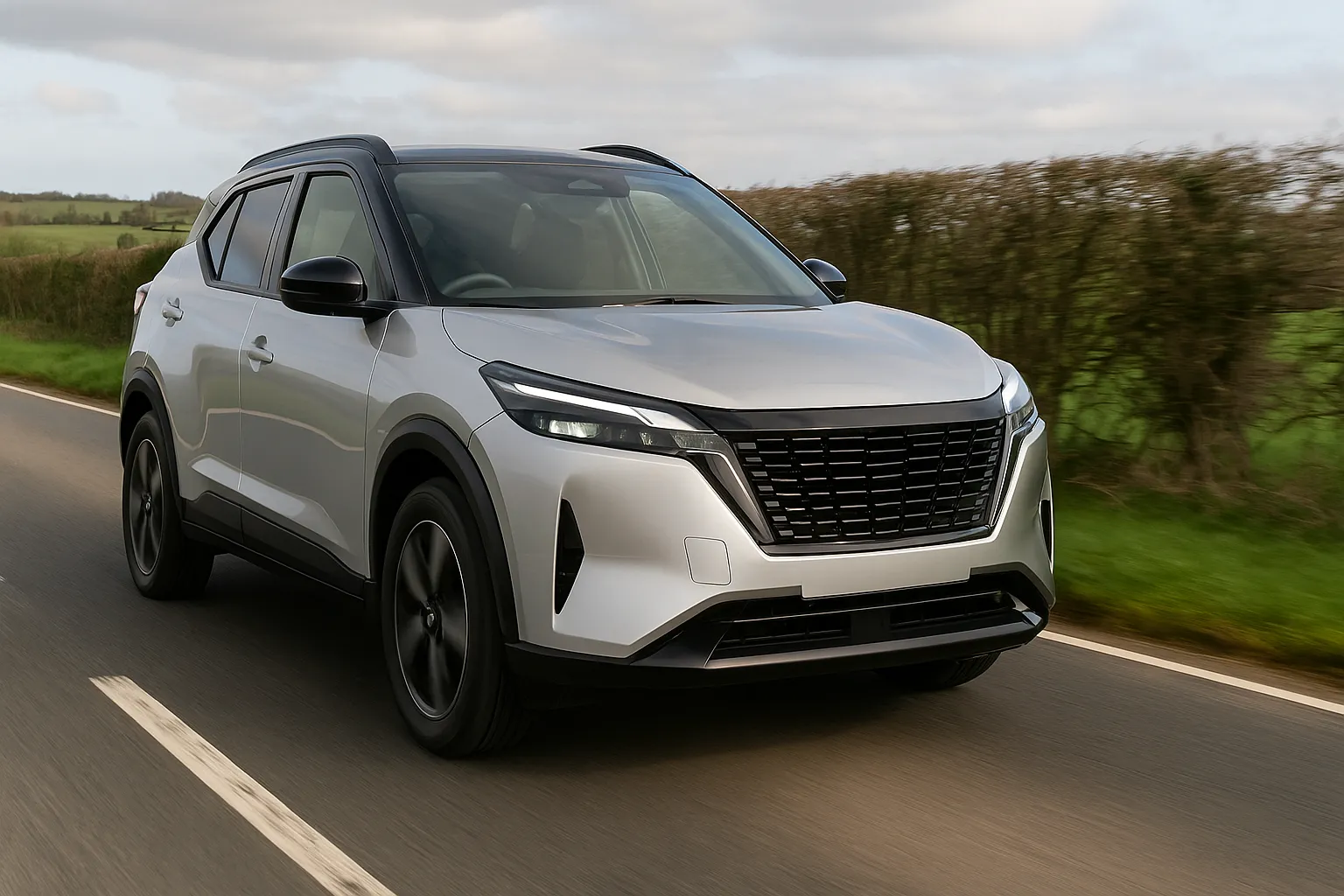
McLaren to launch its first hybrid performance SUV in 2028
McLaren is expanding its model range: an electrified performance SUV with the internal project code P47 is planned for around 2028. Before that, a new hybrid supercar is expected to arrive.
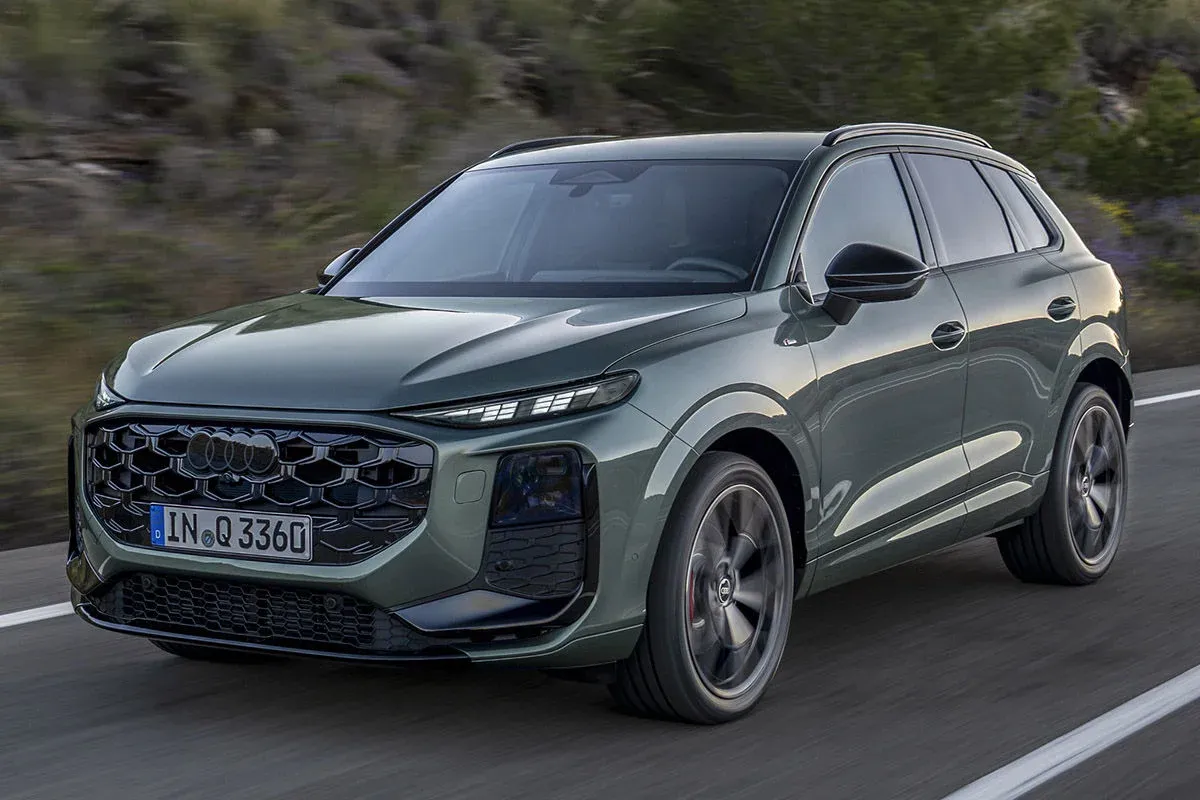
McLaren opens the door to the SUV segment
McLaren is preparing the biggest break yet with its own model tradition: a hybrid performance SUV is planned for around 2028. The project carries the internal code P47 and is intended to take the brand into a segment for the first time that many competitors have long used as an important source of revenue. For McLaren, previously associated above all with two-seat supercars, carbon monocoques and mid-engine concepts, this is more than just another model. It is a strategic change of direction.
The timing is also important. Before the SUV launches, a new hybrid supercar with the project name P34 is expected to appear. For this model, output of around 810 PS is being discussed. This means the brand’s core sporting DNA will initially remain clearly at the center before McLaren expands its portfolio toward everyday usability and higher volumes.
What is known so far about the P47

Concrete technical data on the planned SUV is still scarce. What is certain: it is intended to become an electrified performance model and come to market around 2028. The term performance SUV is crucial here. McLaren is not expected to build a classic comfort SUV with sporty styling, but rather a vehicle that must credibly combine driving dynamics and brand identity with more space, a higher seating position and greater usability.
Key questions remain open: Will the P47 be designed as a plug-in hybrid or as a hybrid without external charging capability? Which engine architecture will be used? How large will the battery be? Will the vehicle offer two or three rows of seats? Price, production location, platform and markets have also not yet been officially detailed. However, the timeframe around 2028 suggests that McLaren does not regard the development as a short-term side project, but as part of a broader model strategy.
For buyers, this means: anyone who previously appreciated the McLaren brand but could do little with a two-seat supercar may in future get a more everyday-friendly entry into the brand. At the same time, the vehicle is likely to be positioned clearly in the luxury and high-performance segment in terms of price and technology.
Why an SUV can make sense for McLaren

At first glance, an SUV seems contradictory for McLaren. For decades, the brand has defined itself through lightweight construction, closeness to motorsport and uncompromising sports cars. But the market for luxury cars has changed. High-priced SUV models have become particularly profitable model lines for many manufacturers. Porsche has shown with the Cayenne and Macan how strongly a sportily positioned SUV can support a brand economically. Lamborghini, Ferrari, Aston Martin and Lotus have also placed their own interpretations in this field.
For McLaren, such a model can fulfill several tasks. First, it opens up customers who want more space, better everyday usability or a higher seating position. Second, it can broaden the sales base without directly replacing the supercars. Third, a hybrid SUV offers a bridge between classic combustion-engine performance and increasing electrification.
Small sports car manufacturers in particular face high development costs, stricter emissions regulations and growing pressure to electrify their powertrain technology. A successful SUV can create financial leeway that also benefits future supercars. For enthusiasts, this is an ambivalent but important point: a less purist model may ultimately help ensure that the more uncompromising vehicles can continue to be developed.
The P34 keeps the supercar line alive
Before the SUV, the P34 is expected to appear, a new hybrid supercar with a target figure of around 810 PS. With this, McLaren is continuing its electrification strategy in its core segment. With the Artura, the brand already has a plug-in hybrid supercar in its range that combines a V6 petrol engine with an electric motor. The P34 is likely to mark a new performance level above or alongside existing models, though exact positioning and technical details are not yet finally known.
The sequence is noteworthy: McLaren is not launching the SUV first and then explaining its sports car competence, but apparently following up first with a strong hybrid supercar. This helps to stabilize brand perception. For regular customers and fans, the signal is clear: the expansion toward SUVs is not meant to mean that McLaren is giving up its roots.
A hybrid powertrain also suits the requirements of modern performance vehicles. Electric motors can deliver torque immediately when pulling away and accelerating out of corners, while a combustion engine can continue to provide range, sound and high sustained power. The challenge lies in weight. Batteries, power electronics and additional drivetrain components increase mass. McLaren therefore has to show that its well-known lightweight construction expertise also makes a noticeable difference in electrified vehicles.
The biggest challenge: credibility
For the P47, the most important technical data sheet will not be decided by power, acceleration or top speed alone. For McLaren, it is about credibility. An SUV is higher, heavier and generally less direct than a supercar. These are precisely the characteristics that conflict with what many buyers associate with McLaren.
For the P47 to work, it must offer more than a powerful drivetrain and a familiar badge. It needs clear chassis tuning, precise steering, controlled weight and a design that does not seem generic. Interior quality will also be decisive. In a supercar, customers are more likely to accept compromises in comfort or operation. In a luxury SUV, they expect high-quality materials, connectivity, assistance systems, noise comfort and everyday usability.
For owners, a McLaren SUV could also take on a new role: not as a replacement for a 750S, Artura or future supercar, but as an addition to the garage. Exactly this pattern is already visible at other luxury brands. The SUV becomes the vehicle for family, longer journeys or bad weather, while the sports car remains the emotional flagship product.
Significance for the market
With the planned hybrid SUV, McLaren is moving into a more crowded but lucrative environment. Competitors have demonstrated that extremely sporty SUV models can justify high prices when performance, exclusivity and brand image fit together. At the same time, expectations are rising. A late market entry can be both an advantage and a disadvantage: McLaren can learn from the mistakes of others, but must deliver a product that clearly stands apart.
For the industry, the move shows that even strongly focused sports car brands have to adapt their business models. Electrification and new customer expectations are changing not only volume manufacturers, but also exclusive performance brands. Hybrid technology is becoming both a transitional solution and a performance tool.
Until 2028, much remains open. But the direction is now recognizable: McLaren is planning not only more supercars, but a broader model range. The P47 could become the brand’s most important commercial vehicle, while the P34 is intended to show that the path into the SUV segment does not have to come at the expense of performance identity.