Hyundai eMP: New flagship platform launches in Genesis GV90
Hyundai Motor Group is preparing a new electric architecture, eMP, for large premium models. The first production car will be the Genesis GV90, which is set to launch in the USA in early 2027.
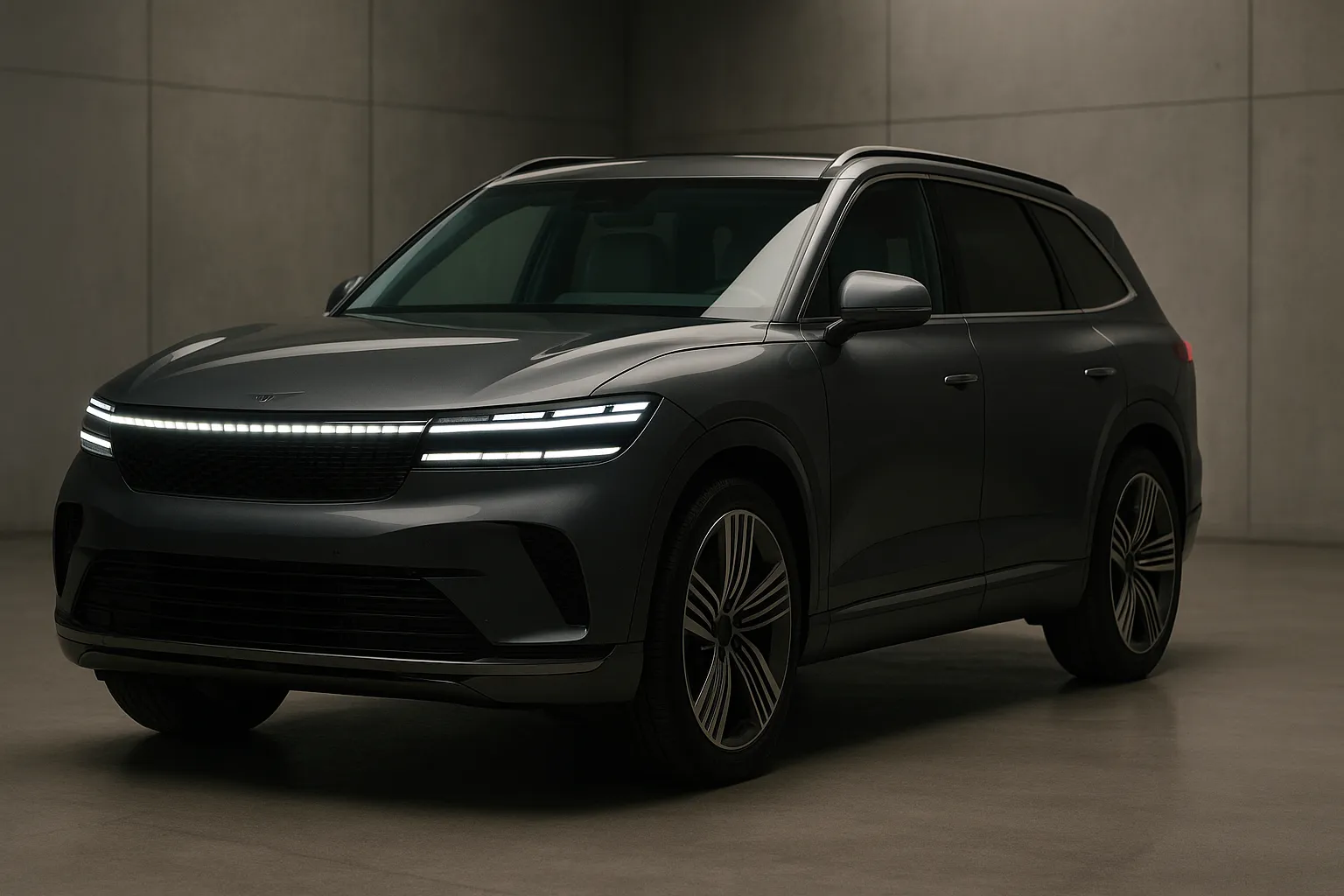
Hyundai Motor Group is expanding its electric strategy upward. With eMP, the group is introducing a new platform intended for electric flagship models. The first car on this architecture will be the Genesis GV90. For the US market, the large electric SUV is scheduled to launch in early 2027.
This brings not only a new model into focus, but also the next stage of the group’s platform strategy. In recent years, Hyundai, Kia and Genesis have already shown how important a shared technical basis is for modern electric cars. The well-known E-GMP architecture forms the foundation for several models from different brands and classes. eMP is now apparently intended to be positioned above it: as an underpinning for larger, more luxurious and technically more sophisticated vehicles.
Why a new platform matters

An electric platform determines far more than just where the battery and motors are located. It influences range, charging performance, interior space, crash structure, noise comfort, software architecture, towing capacity, driving dynamics and production costs. Especially in a large premium SUV like the Genesis GV90, these points are central. Buyers expect not only plenty of space, but also strong long-distance capability, quiet driving, powerful performance, comfortable suspension and digital equipment that remains up to date for years.
For Hyundai Motor Group, eMP is therefore a strategic step. In the volume segment, the group has already established numerous electric cars. In the upper segment, however, the requirements are different. A flagship must not only be efficient, but also convey presence, comfort and technical expertise. A dedicated architecture for this vehicle class can help bring battery size, wheelbase, seating concept and luxury equipment together better than would be possible with a platform optimized for a broader model portfolio.
Genesis GV90 as the first eMP model

The Genesis GV90 will be the debut model for the new eMP basis. The model designation alone makes its role clear: within the Genesis nomenclature, the 90 indicates a position at the upper end of the brand. The GV90 is therefore likely to appear as an electric SUV flagship and be positioned above smaller Genesis electric models.
For the US market, the timing is particularly relevant. Large SUVs remain an important segment there, and in the premium sector the range of battery-electric alternatives is growing. With the GV90, Genesis will therefore not be entering an empty market. Buyers compare such vehicles with electric luxury SUVs from established premium manufacturers, but also with new competitors that place strong emphasis on range, charging performance and digital functions.
Concrete technical data for the GV90 have not yet been confirmed. Open points include battery size, range, charging performance, powertrain, seating configuration, towing capacity, price, production location and the exact equipment for the US market. It is also currently not clearly communicated whether and when the model will come to Europe. These gaps are important, because especially with large electric SUVs, battery and charging figures can significantly change practical usefulness.
What buyers should watch
For interested customers, the decisive factor will above all be whether eMP offers a noticeable advantage in everyday use. In an expensive electric SUV, acceleration figures are not the only thing that matters. Often more important are charging times on long journeys, efficiency at highway speeds, space in the third row of seats, luggage compartment volume when fully occupied, climate comfort in winter and the quality of the driver assistance systems.
Charging infrastructure also plays a greater role than before. By the planned US launch in early 2027, the market for connectors, fast-charging networks and access systems will continue to evolve. For buyers, it is therefore relevant which charging ports the GV90 receives, which networks are supported from the factory and how reliably route planning with charging planning works. These details can noticeably enhance or hinder a luxurious electric car in everyday use.
Owners will also pay attention to software and update capability. A new platform can enable a more modern electrical and electronic architecture. This can facilitate over-the-air updates, new comfort functions, optimized battery management or improved assistance systems. However, implementation in the production car is decisive. A platform creates the technical prerequisites; the customer experience depends on how consistently manufacturers and dealers use them.
Significance for the industry
For the industry, eMP shows that Hyundai Motor Group is further differentiating its electric car development. The first major EV wave revolved strongly around range, charging speed and the question of whether electric cars work in the mass market. The next phase is more strongly segmented. Manufacturers need architectures that set different priorities for affordable models, family vehicles, performance cars and luxury SUVs.
For Genesis, the GV90 is particularly important. The brand competes in the premium environment against manufacturers that have decades of experience with luxury vehicles. A convincing electric flagship can sharpen the brand image and show that Genesis offers not only design and equipment, but also independent technical substance. At the same time, the pressure is increasing: in this price class, customers forgive fewer compromises in charging performance, material quality, noise insulation or software.
Still many open questions
The most important news is therefore not a single specification, but the direction: Hyundai Motor Group is developing a new foundation for large electric flagships with eMP, and the Genesis GV90 will be the first practical test of this strategy in the USA in early 2027. Many details remain open until market launch. It is precisely these data that will decide whether eMP is merely a new platform designation or whether it makes a measurable difference in the competition among large premium electric SUVs.
For car buyers, this means: anyone looking for a large electric luxury SUV in the coming years should put the GV90 on their watch list, but not draw any final conclusions yet. Only range, charging behavior, interior concept, price and real-world efficiency will show how strong Hyundai’s new flagship architecture actually is.