Honda reportedly examining ladder-frame models with Nissan tech
After the failed attempt at a merger, Honda and Nissan could cooperate selectively: the focus is on robust pickups and SUVs with ladder frames.
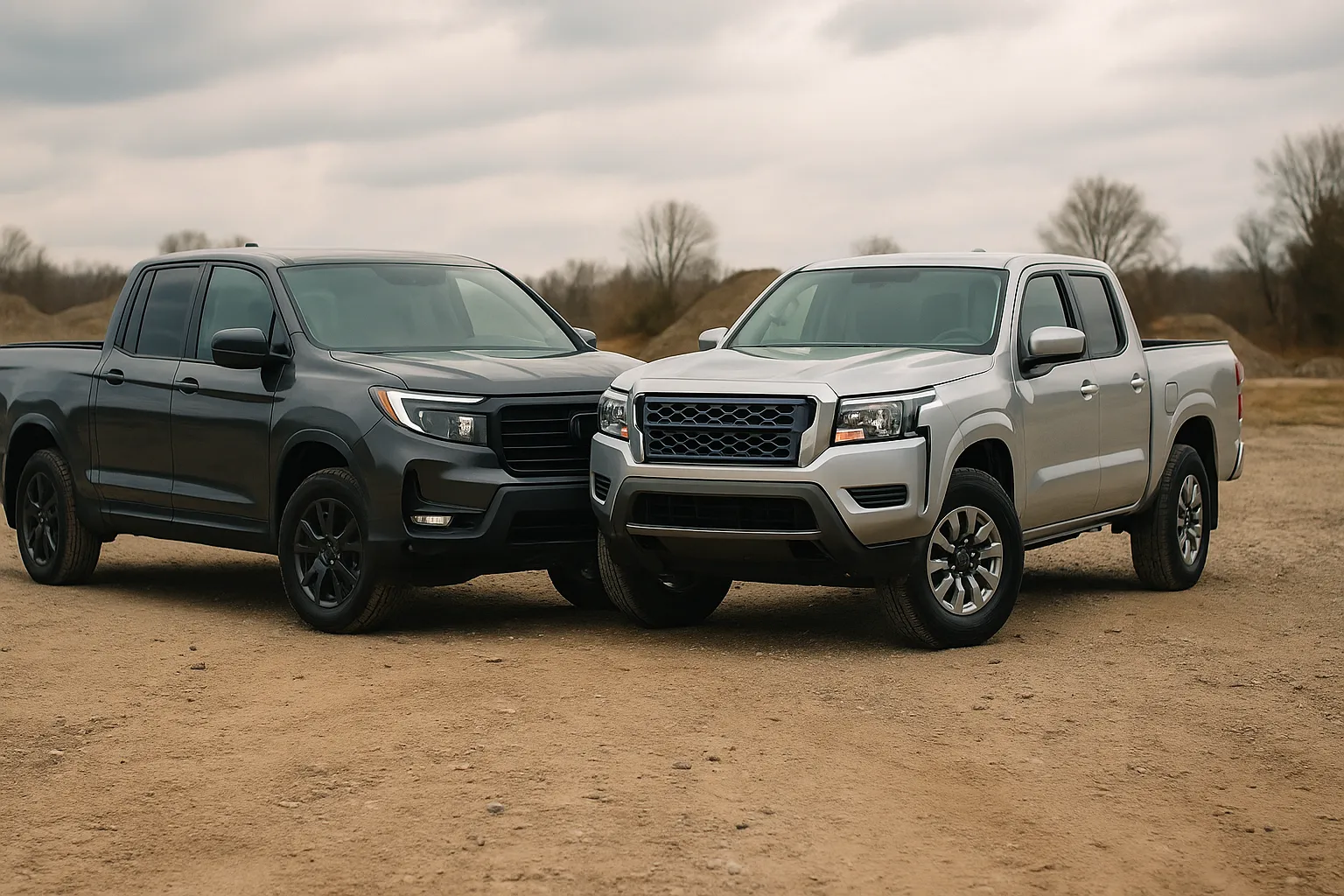
Honda could work more closely with Nissan on future robust pickups and SUVs. The focus is not on a new attempt at a major merger, but on a much more specific technical question: Can Honda use Nissan’s experience with ladder-frame platforms to bring its own off-road-capable and strong towing models to market more economically?
Such a model program has not yet been officially announced. Confirmed information on markets, launch dates, powertrains or model names is also lacking. Nevertheless, such cooperation would be understandable from an industry perspective. Honda is strong in passenger cars, hybrid powertrains, motorcycles and efficient crossover models, but has little presence in the traditional segment of frame-based trucks and large off-road vehicles. Nissan, by contrast, has decades of experience with pickups and SUVs built on ladder-frame structures.
Why a ladder frame would be interesting for Honda
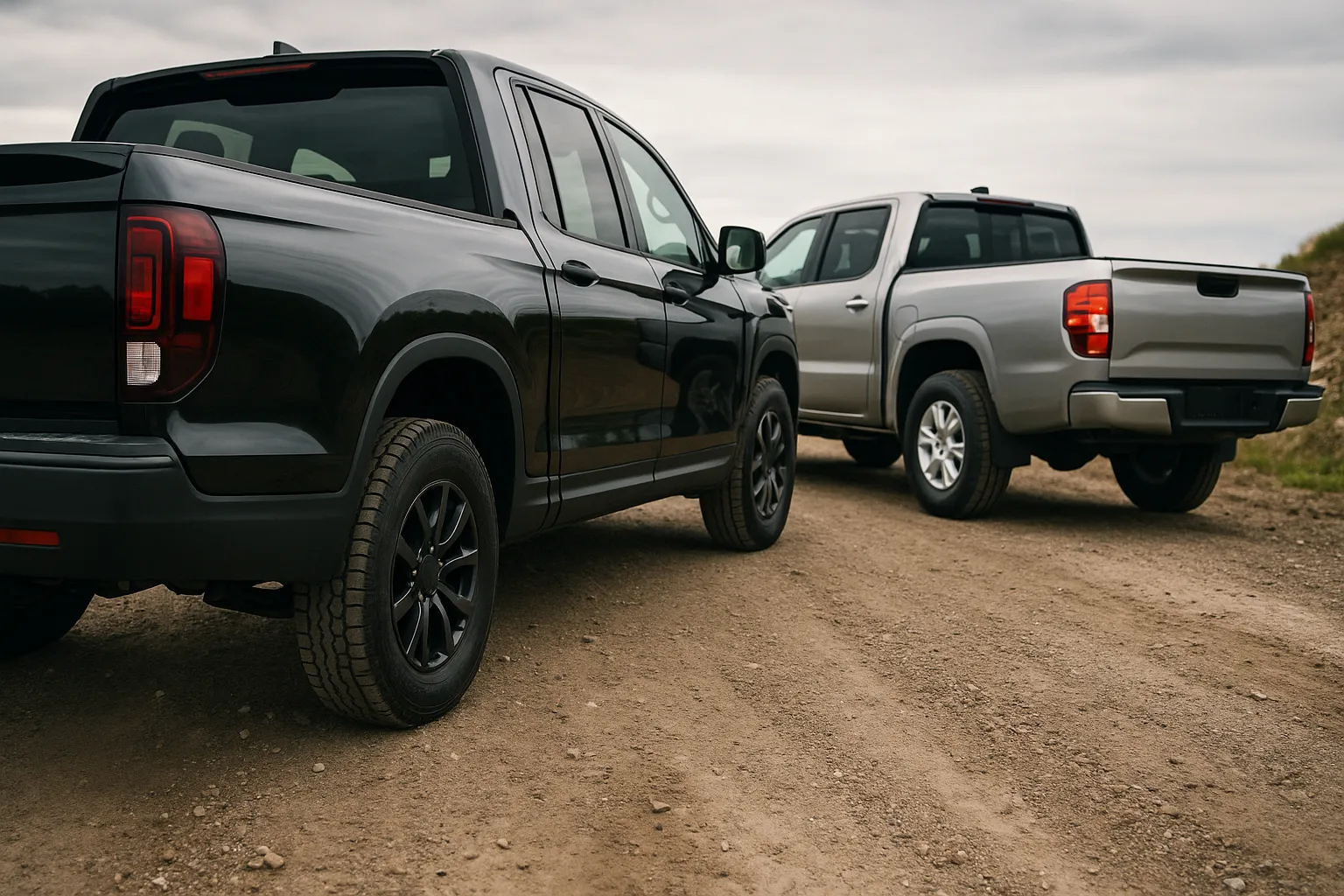
Most modern crossovers and many SUVs today use unibody construction. That also applies to important Honda models such as the CR-V, Pilot, Passport and Ridgeline. This construction method saves weight, often improves comfort and efficiency and fits well with family vehicles and road use. For heavy trailers, high payloads, tough off-road use or markets with poor road conditions, however, a ladder frame remains attractive.
A ladder frame separates the load-bearing structure more clearly from the body and superstructure. That is not automatically more modern or better, but in certain applications it is more robust and flexible. Pickups with high payloads, vehicles for commercial customers, off-road SUVs and models for emerging markets therefore often continue to rely on this architecture. For Honda, that may be exactly where a gap lies.
The current Honda Ridgeline is a special case in North America: it drives more comfortably and more like a passenger car than many traditional midsize trucks because it is not based on a ladder frame. For buyers who primarily want everyday usability, a clever cargo bed and calm driving behavior, that is an advantage. However, those who want maximum robustness, greater off-road upgradability or a traditional truck image often look to models such as the Toyota Tacoma, Ford Ranger, Chevrolet Colorado or Nissan Frontier.
What Nissan could contribute
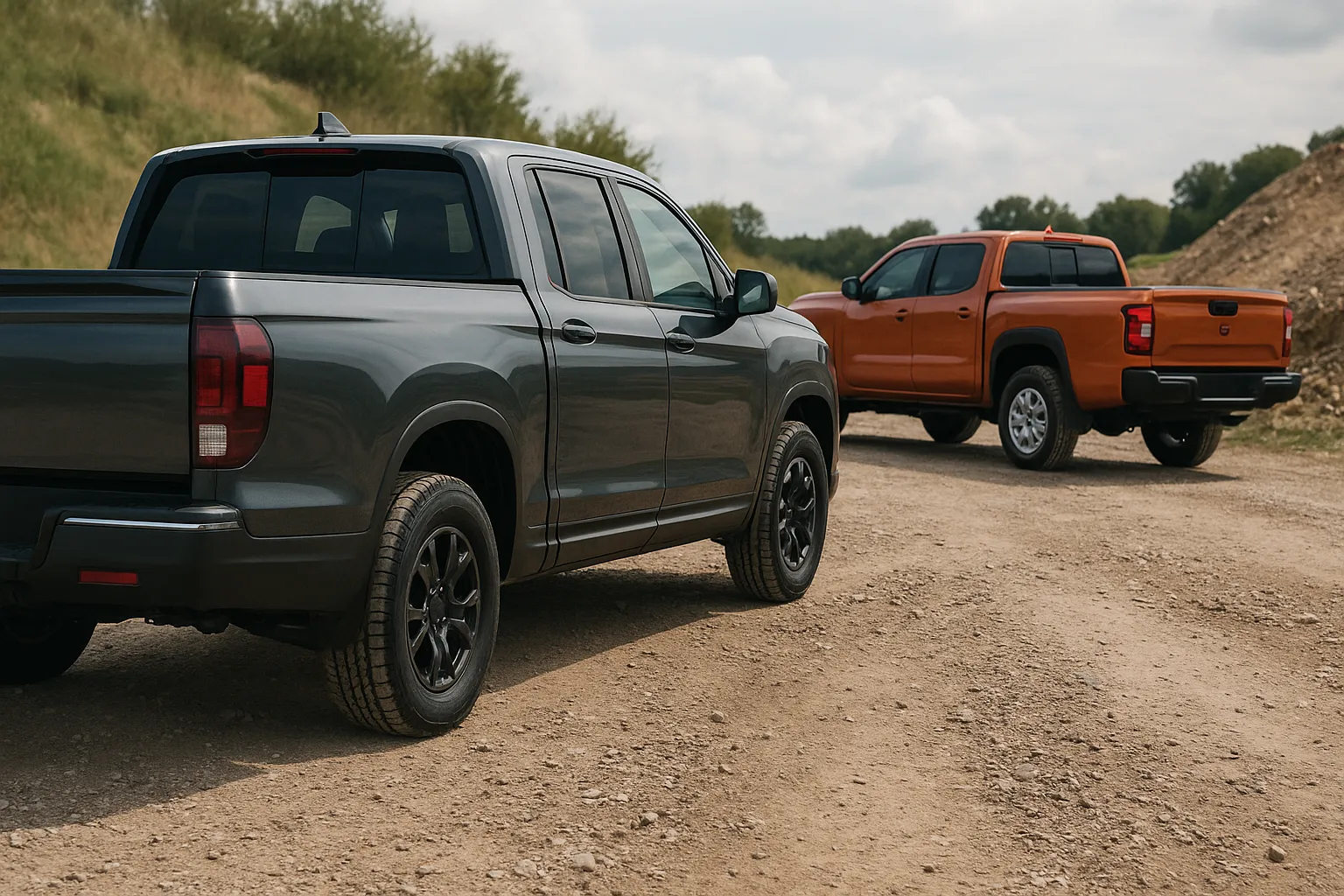
Nissan has suitable technology and experience in several regions. In North America, the Frontier plays in the midsize pickup segment; internationally, the Navara is a well-known name. Large SUVs such as the Patrol and Armada show that Nissan is also present in the upper ladder-frame segment. Not every one of these platforms would automatically be suitable for Honda, and not every model is currently equally relevant in every market. Even so, Nissan offers a basis on which Honda could develop faster than with a complete restart.
For manufacturers, such an architecture is expensive. Crash structure, suspension, all-wheel-drive technology, towing capacity, cooling, durability and production must be designed for tough loads. If a manufacturer expects only low volumes, in-house development can be difficult to justify economically. A shared platform or common components could lower costs and shorten development time.
For Nissan, technical cooperation would also have its appeal. Additional volumes can make platforms more profitable. Joint procurement, coordinated production and greater economies of scale are valuable in an industry that must invest simultaneously in electric cars, software, batteries, hybrid technology and new safety requirements.
No merger, but a possible alliance of convenience
The closer link between Honda and Nissan that was recently discussed has not resulted in a comprehensive merger. But that does not mean the two companies cannot cooperate in individual areas. In the auto industry, such alliances of convenience have long been normal. Manufacturers share platforms, engines, electric components or commercial-vehicle technology while going their separate ways in design, tuning, sales and brand positioning.
Especially with trucks and large SUVs, selective cooperation is an obvious option. Customer expectations are high, development costs are high as well, and model cycles can be long. At the same time, manufacturers must keep fleet consumption, emissions rules and electrification plans in view. With Nissan technology, Honda could reach a segment that has not previously been part of the core of its model range without having to finance all the foundations on its own.
What buyers would gain from it
For car buyers, a ladder-frame Honda would be especially exciting if it combined typical Honda strengths with traditional truck technology. These include reliable powertrains, good ergonomics, clean workmanship, high resale value and an unfussy control concept. A robust Honda pickup with more utility than the Ridgeline could appeal to customers who previously had to choose between everyday usability and real truck capability.
An off-road-capable Honda SUV would also be conceivable. The market for off-road-oriented vehicles has gained visibility in recent years. Models such as the Toyota 4Runner, Ford Bronco, Jeep Wrangler and Land Rover Defender show that buyers are willing to pay for robust technology, all-wheel-drive competence and an adventure look. Honda does have a history in this area with practical SUVs, but it does not offer a direct modern ladder-frame competitor.
However, it is important to note: a shared technical foundation does not yet guarantee a convincing Honda model. Tuning, body concept, interior, powertrains, price positioning and dealer strategy would be decisive. A Honda that merely feels like a rebadged Nissan would have a hard time. An independently developed model with a clear Honda identity, by contrast, could become a credible addition.
Electrification remains the open question
The powertrain strategy would be especially interesting. Honda relies heavily on hybrid technology and is working on electric vehicles in parallel. Nissan brings experience with electric cars, but in the pickup and off-road sector electrification is complex across the industry. Battery weight, range under towing load, charging infrastructure and costs are central hurdles.
A possible Honda ladder-frame truck could therefore initially be more realistic with a combustion or hybrid powertrain than as a pure electric car. A hybrid would have several advantages: more torque at lower speeds, potentially lower everyday fuel consumption and the ability to power electrical accessories or work equipment. However, such a solution has not been confirmed.
Significance for the industry
The possible cooperation shows how much the auto industry is changing. In the past, manufacturers would more often have developed such core areas on their own in order to preserve maximum independence. Today, costs, regulation and technological change are forcing even large brands into pragmatic partnerships. At the same time, customer expectations are shifting: SUVs and trucks remain profitable, but they must become more efficient, safer and more digital.
For Honda, the move would be a signal that the brand does not want to grow only with compact crossovers and hybrid models. For Nissan, it could help monetize existing truck expertise more broadly. For buyers, in the best case it would create more choice in a segment often shaped by a few established names.
Until specific vehicles are confirmed, the project remains a possibility and not a product promise. However, should Honda actually use Nissan’s ladder-frame know-how, it could lead to one of the most interesting brand shifts in the truck and SUV market: a Honda that is not only practical and efficient, but also designed to be consistently robust.