Ford targets 100,000 sales for electric $30,000 pickup
Ford apparently wants to sell its planned affordable electric pickup in six-figure numbers in its first year. The target shows how important affordable EVs will become for the market’s next phase.
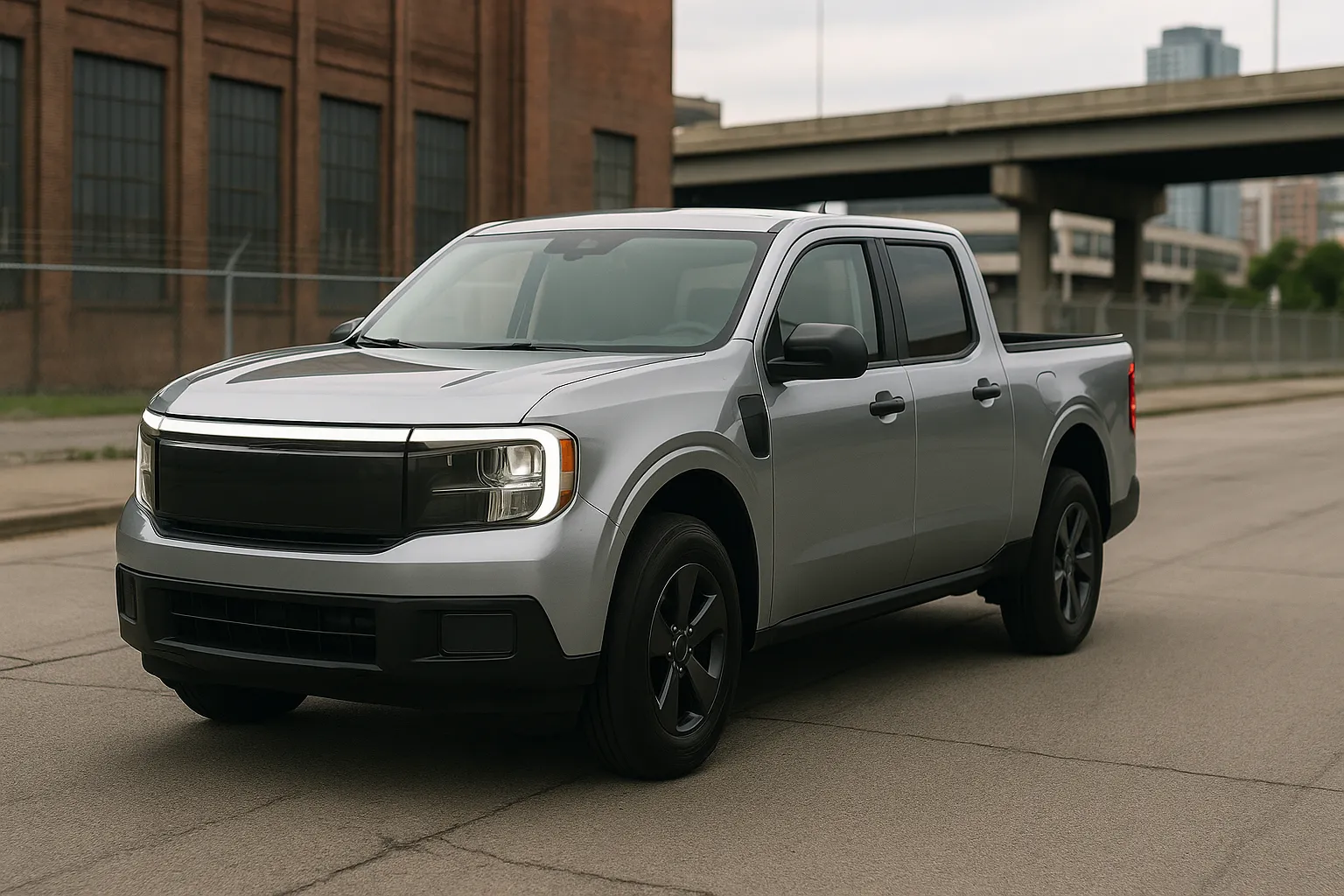
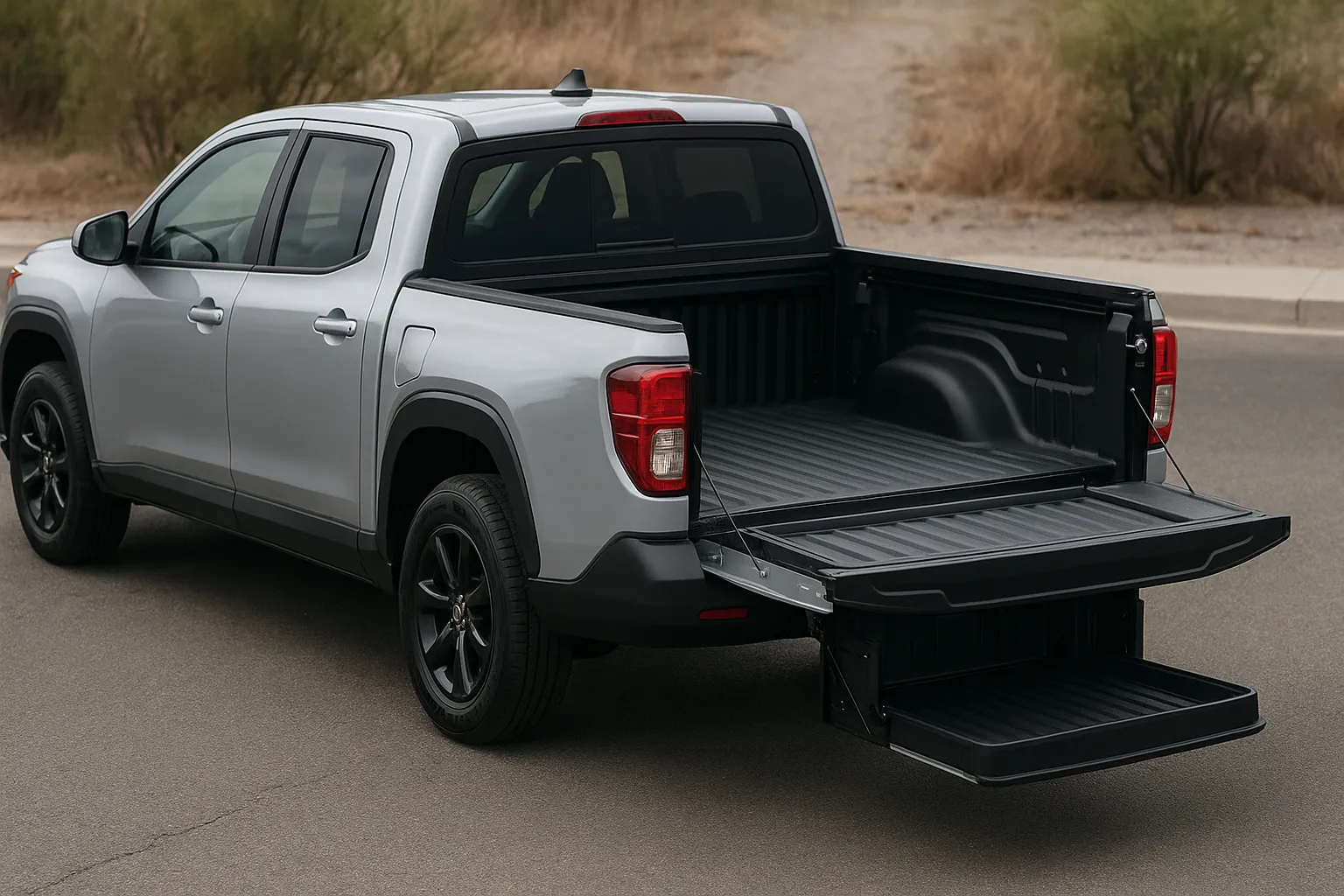
Ford is setting an exceptionally high target for its planned affordable electric pickup: Around 100,000 units are to be sold in the first year on sale. The targeted entry price is about 30,000 US dollars. That would allow Ford not only to occupy a new segment between compact combustion-engine pickups and significantly more expensive electric trucks, but also to test whether a battery-electric commercial vehicle can become a mass-market product.
The target is remarkable because electric pickups have so far mainly appeared as expensive, technically sophisticated vehicles. Models such as the Ford F-150 Lightning, Rivian R1T, Tesla Cybertruck or electric full-size trucks from General Motors show what is possible with large batteries, high performance and plenty of towing power. But they are generally far removed from a 30,000-dollar entry point. A more affordable Ford pickup would appeal to a different group of buyers: tradespeople, commuters, fleet customers, small businesses and private customers who focus more on operating costs and utility than on maximum acceleration or luxury equipment.
Why 100,000 sales are a major hurdle

Six-figure sales numbers in the first year are rare in the automotive industry, especially for a new electric vehicle. Such volume requires more than interest on social media or a long reservation list. Ford would have to maintain the price, build enough vehicles, secure a stable supply chain and deliver a product that convinces in everyday use. That includes range, charging speed, payload, towing capacity, interior quality, software and availability at dealers.
The comparison with established electric bestsellers shows the scale. High first-year volumes have so far mainly been achieved by very strongly demanded Tesla models whose production was scaled quickly and which were available in large markets at the same time. With pickups, the task is more difficult. Buyers expect robustness, versatile usability and often very specific economic viability. A low purchase price alone is not enough if range under load, winter capability or repair costs do not fit.
The price is the decisive point

An electric pickup for around 30,000 dollars would be strategically important for Ford. In the USA, the classic pickup market is indeed dominated by large models such as the F-150, Chevrolet Silverado and Ram 1500, but interest in smaller and more affordable alternatives is real. Ford’s own Maverick has shown that a compact, affordable commercial vehicle with an efficient drivetrain reaches many customers. An electric model at a similar price point could continue this idea.
However, it remains unclear exactly what the stated price includes. What will be decisive for buyers is whether 30,000 dollars means before or after destination charges, possible incentives or tax credits. Battery size, range, drive configuration and equipment are also still open. A base model with a small battery and rear-wheel drive could make the entry price possible, while variants with a larger battery, all-wheel drive or higher towing capacity would be significantly more expensive.
Especially with electric vehicles, the difference between list price and real transaction price is important. Many buyers add larger batteries, fast-charging functions, better assistance systems or comfort packages. If a 30,000-dollar model is available in practice only in small numbers, it would have less market impact. If, on the other hand, Ford can offer the entry price in meaningful volume, that would be a strong signal to competitors.
What Ford is likely to have learned from the F-150 Lightning
The F-150 Lightning was a technological milestone for Ford, but also a lesson about the limits of the early electric pickup market. The model brought familiar F-150 strengths into an electric format: a large load bed, strong acceleration, bidirectional power supply and high everyday usability. At the same time, price changes, production adjustments and shifts in demand showed that many customers react very sensitively to costs, range and charging infrastructure.
A smaller and more affordable electric pickup could mitigate some of these problems. Less vehicle mass potentially means smaller batteries, lower costs and better efficiency. A more compact format also better suits urban and suburban customers who rarely tow very heavy trailers but regularly transport tools, leisure equipment or materials from home improvement stores.
Such a vehicle would also be interesting for enthusiasts. The market for compact pickups in the USA has long been thin, while many customers had to buy larger trucks than they actually needed. An affordable electric pickup could accelerate the return to more practical dimensions – with instant torque, lower maintenance costs and greater everyday efficiency.
Production and costs will decide success
The biggest challenge probably does not lie in generating attention. It lies in building 100,000 vehicles profitably or at least with acceptable losses. Affordable electric cars require strict cost control. Battery chemistry, platform architecture, vertical integration, software, supplier contracts and plant utilization must fit together.
Ford has been working for some time to improve its EV cost structure. An affordable pickup is likely to be based on a more heavily simplified architecture than large electric trucks. That can help reduce production time and material input. At the same time, Ford must not leave out too much. Pickup customers accept simple interiors more readily than some SUV buyers, but they expect durable components, sensible storage areas, good visibility, robust load-bed solutions and reliable electronics.
The political and economic environment also plays a role. Incentive rules for electric vehicles, battery raw materials, tariffs and interest rates can noticeably influence the final price. A low base price is easier to communicate than to keep stable over several years.
Significance for buyers and the industry
For car buyers, a successful 30,000-dollar electric pickup would be more than just another new model. It could significantly broaden access to electric commercial vehicles. Many customers who have so far stayed with gasoline vehicles, hybrids or used trucks because of high prices would for the first time have a realistic electric alternative.
For owners, running costs would be a central argument. Electric drivetrains require less conventional maintenance, electricity can be cheaper per mile than gasoline, and a pickup with an onboard outlet can offer additional utility on construction sites, while camping or during power outages. But these advantages only count if range, charging times and durability are right.
For the industry, success would be an indication that the next phase of EV growth will not be driven solely by expensive premium SUVs. Affordable, practical vehicles could become more important than ever-larger batteries and ever-higher performance figures. If Ford fails on price or scaling, however, that would be a sign of how difficult affordable electric vehicles in pickup format still are.
Many technical specifications are still open. That is exactly why Ford’s target is so revealing: The manufacturer does not just want to build a niche model, but a vehicle with mass-market ambitions. Whether this actually turns into 100,000 sales in the first year depends on a simple but tough triad: low price, sufficient everyday usability and reliable production.