Dacia Hipster: Affordable city EV could enter series production in 2027
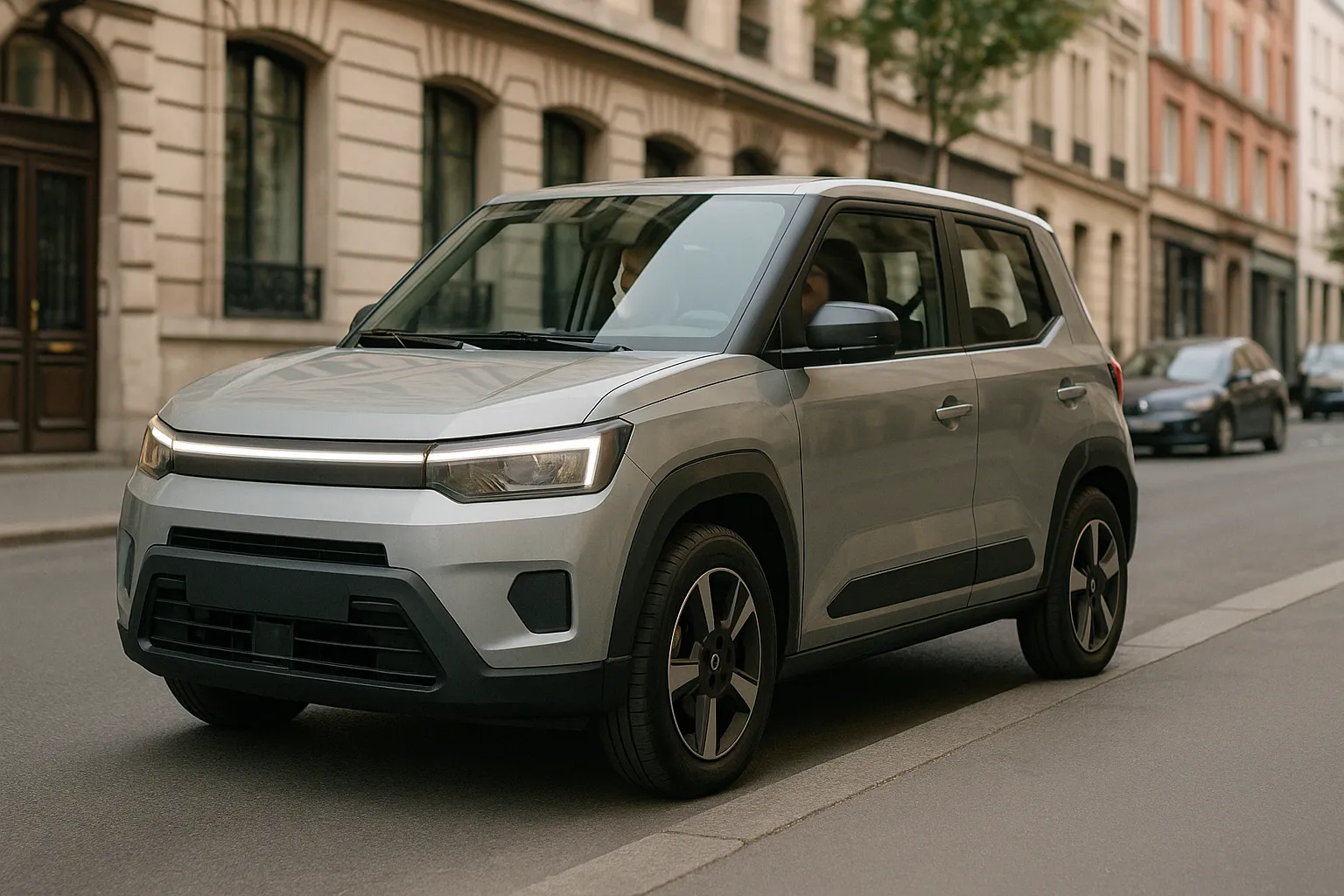
Dacia is apparently examining a production version of the Hipster as an extremely compact electric car for the city. The possible entry price of around £9,500 would be a clear signal in the fiercely contested small-car market.
A very affordable electric Dacia is moving closer
Dacia could expand its electric offering in the coming years with a particularly affordable city model. At the center is the Hipster, a very compact EV that can be understood as a near-production idea for everyday urban use. Final production approval has not yet been granted, but the timeline already seems more concrete: a market launch in the United Kingdom in 2027 is being discussed, with a possible entry price of about £9,500. Converted, that would correspond roughly to 12,700 US dollars, although exchange rates, taxes and country-specific equipment make this comparison only partially meaningful.
The classification is important: the Hipster is currently not a confirmed production model with a fixed order start, final technology and official equipment details. Among other things, final approval within the Renault Group and the production decision are still open. Production in China is being discussed, which could help with the price, but also raises questions about tariffs, supply chains, the CO2 balance of production and political acceptance.
Why the Hipster would be interesting for buyers
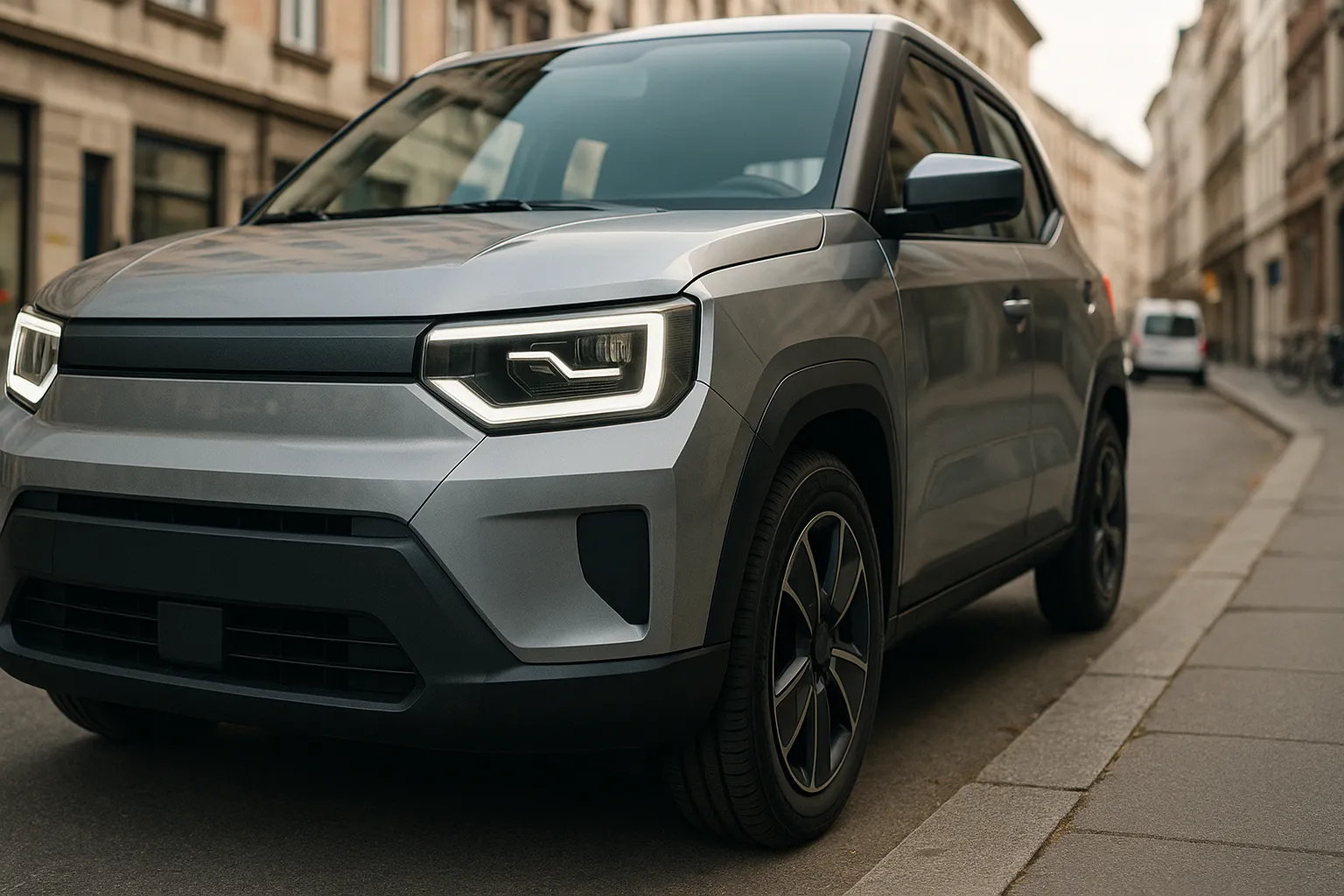
The European market for affordable electric cars remains thinly populated. Many new EVs are technically impressive, but still expensive for private buyers. Even small cars with battery drive are often significantly above classic combustion-engine prices. This is exactly where Dacia could start: the brand is known for deliberately limiting comfort and technology content in order to keep the entry price low.
A Hipster below or near the £10,000 mark would therefore be more than just another city car. It could show whether an electric basic model for commuters, novice drivers, second-car buyers and fleet operators can once again be presented as affordable. For many households, what matters is not maximum range, but a low purchase price, low operating costs, manageable dimensions and simple operation. Such a car would not have to cover every long-distance trip, but rather the daily journey to work, to school, to the supermarket or to the station.
The price is the central promise
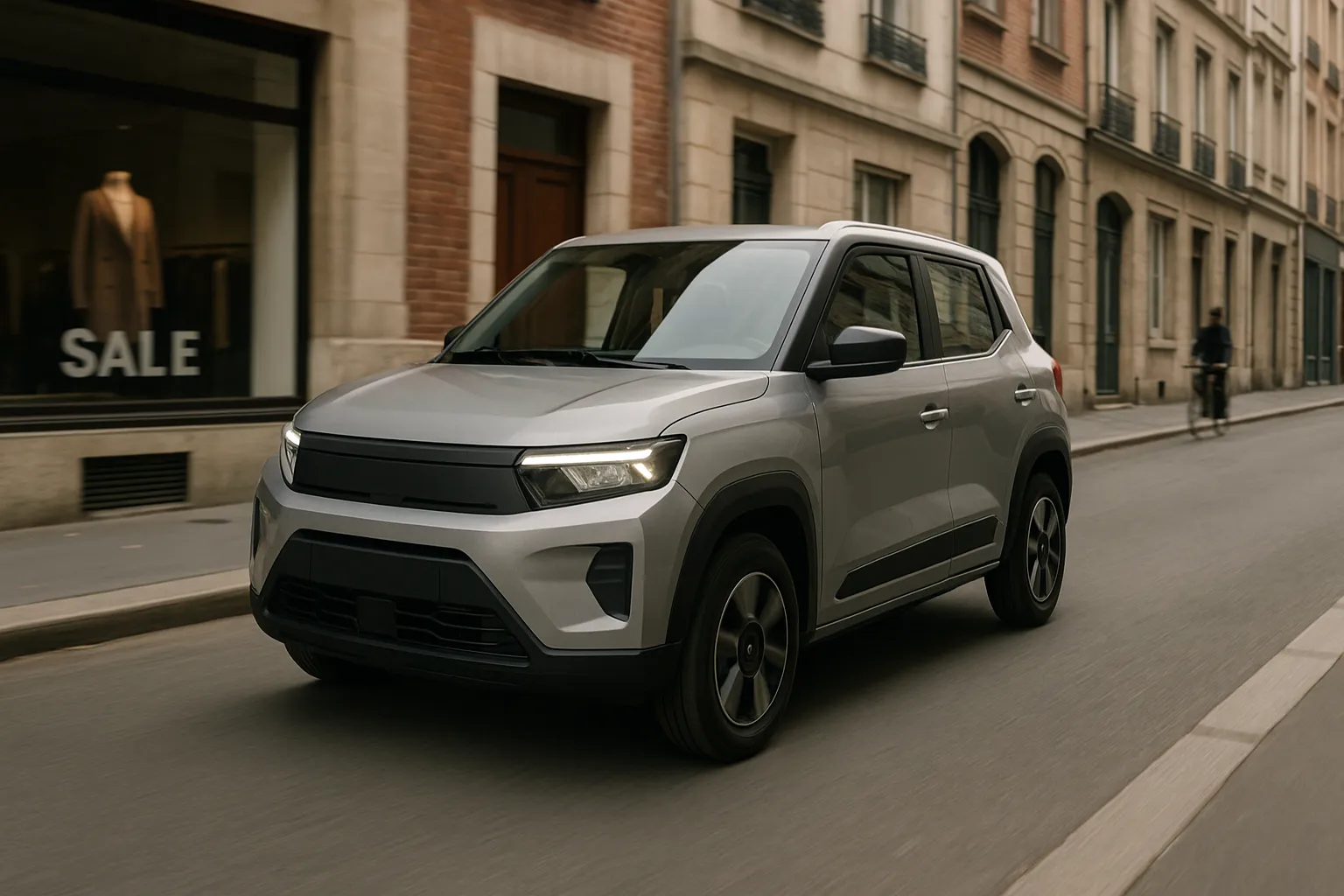
A possible price of around £9,500 would be exceptionally low for a new electric car in Western Europe. However, this figure should be read with caution. Entry prices often refer to base models with limited equipment, a small battery and no extras. In addition, government subsidies, local taxes, registration costs and equipment requirements can noticeably change the real final price.
Nevertheless, even proximity to this price range would be remarkable. With the Spring, Dacia has already proven that a simple electric car can be positioned below many competitors. However, the Spring is not equally present in every market and does not meet all European buyers' expectations for safety, space, performance or long-distance comfort. A Hipster would therefore have to be not only cheap, but also convincing enough not to be perceived as too great a compromise in everyday use.
Production in China: opportunity and risk
Possible production in China would have clear logic. Battery supply chains, electric platforms and small-car production are often more cost-efficient there than in Europe. For a car whose most important sales argument is price, that can be decisive. Low production costs could help Dacia offer a model that would hardly be feasible in Europe at comparable costs.
At the same time, production in China is a sensitive issue. Imported electric cars are increasingly the focus of trade-policy debates in Europe. Additional duties or regulatory changes could shift the calculation. Buyers also react differently: some primarily see the price advantage, while others prefer European production. For Dacia and the Renault Group, the balance between costs, political risk and brand perception would therefore be decisive.
What technology would be realistic?
Official technical data for a possible production version have not yet been confirmed. For an extremely affordable city EV, however, a clear focus would be expected: small battery, moderate output, low top speed compared with larger passenger cars and a reduced interior without costly comfort extras. The decisive factor would not be the sprint figure, but efficiency in urban traffic.
A range for daily city and suburban use would be more plausible than a large battery for long motorway stages. That saves costs, weight and charging time in everyday use. Buyers would have to be aware, however, that such a vehicle would probably not be a full-fledged replacement for a compact family car. The Hipster would be more of a counterproposal to the ever larger, heavier and more expensive electric car: small, light, purpose-oriented.
Significance for Dacia and Renault
For Dacia, the Hipster could play an important role. The brand has established itself in Europe with simple, robust and price-conscious vehicles. At the same time, requirements for emissions and electrification are increasing. An affordable electric microcar would help Dacia secure its own position in an electric future without giving up the brand's core identity.
For the Renault Group, the model would also be strategically relevant. The group is already working on more affordable electric cars and at the same time has to hold its own against Chinese competitors, which are becoming increasingly visible in Europe. A Dacia Hipster could be an answer to precisely this pressure: not through luxury, performance or large displays, but through consistent cost discipline.
The market needs affordable EVs
The possible production version of the Hipster addresses a sore point in the industry. Many manufacturers talk about the mass market, but the prices of many electric cars remain high for broad groups of buyers. Without more affordable models, electric mobility risks remaining attractive primarily to households with secure parking, charging options and higher incomes.
A very affordable city EV could narrow this gap. Especially in densely populated regions, where parking space is scarce and daily distances are short, a small electric car makes a lot of sense. Municipalities, car-sharing providers and delivery services could also be interested, provided durability, safety and operating costs are right.
Nothing has been decided yet
The most important point remains the uncertainty. The Dacia Hipster has not yet been officially confirmed as a production car. Price, production location, equipment, battery capacity, safety level and market launch can change by 2027. A later start or an adaptation to individual markets would also be conceivable.
Nevertheless, the direction is remarkable. If Dacia can actually offer a new electric car in this price class, it would significantly enliven competition in the lower market segment. For buyers, it would be a potentially attractive option if they are looking for an affordable, simple and city-suitable EV. For the industry, it would be a test case: can electric mobility in Europe once again be offered in such a way that it is not only technically advanced, but also truly affordable?