Rivian R2: Second recall puts launch quality in focus
Rivian's important volume model is facing another recall. After an earlier software issue with the rearview camera, the case shows how crucial launch quality is for young EV brands.
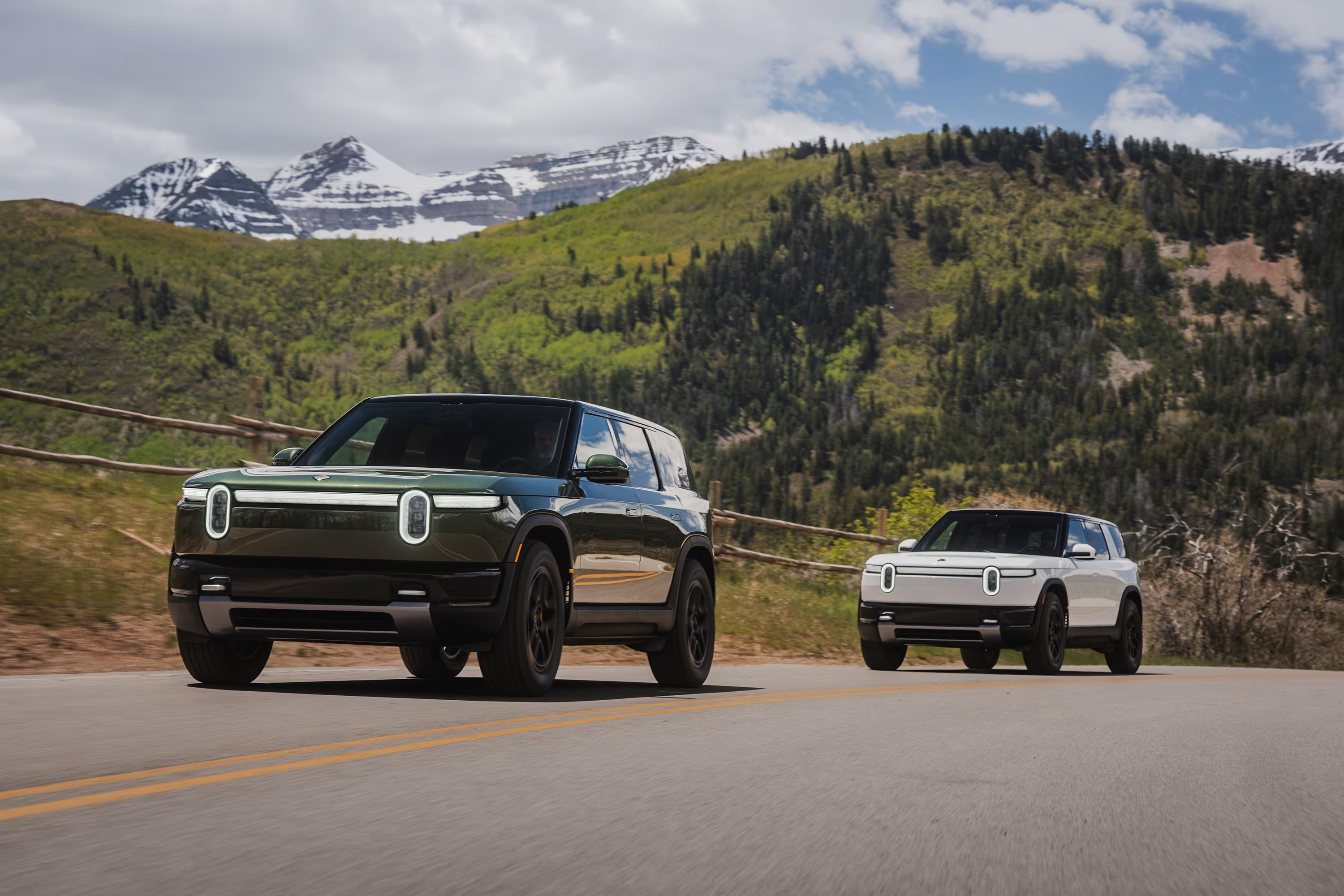
Rivian's R2 is once again marked by a recall. For the young electric car company, this is more than a formal service action: the R2 is considered one of the most important models in the brand's next growth phase because it is positioned below the larger R1 models and is intended to reach a much broader group of buyers.
The measure that has now become known is already the second recall for the model. The first recall concerned a software issue related to the rearview camera. This issue was not limited to the R2 in isolation, but was connected to technology that is also used in the R1 vehicles. No reliable details are available in the existing information about the specific technical trigger for the second recall. It therefore remains open whether it again involves software, a component, an assembly issue or a combination of several factors.
Despite this uncertainty, the case is relevant for buyers, owners and the industry. Recalls are normal in the automotive industry, even among established manufacturers. What matters is how quickly a manufacturer narrows down the problem, how clearly it informs affected customers and whether the solution can be implemented via software update, workshop visit or parts replacement.
Why the R2 is so important for Rivian
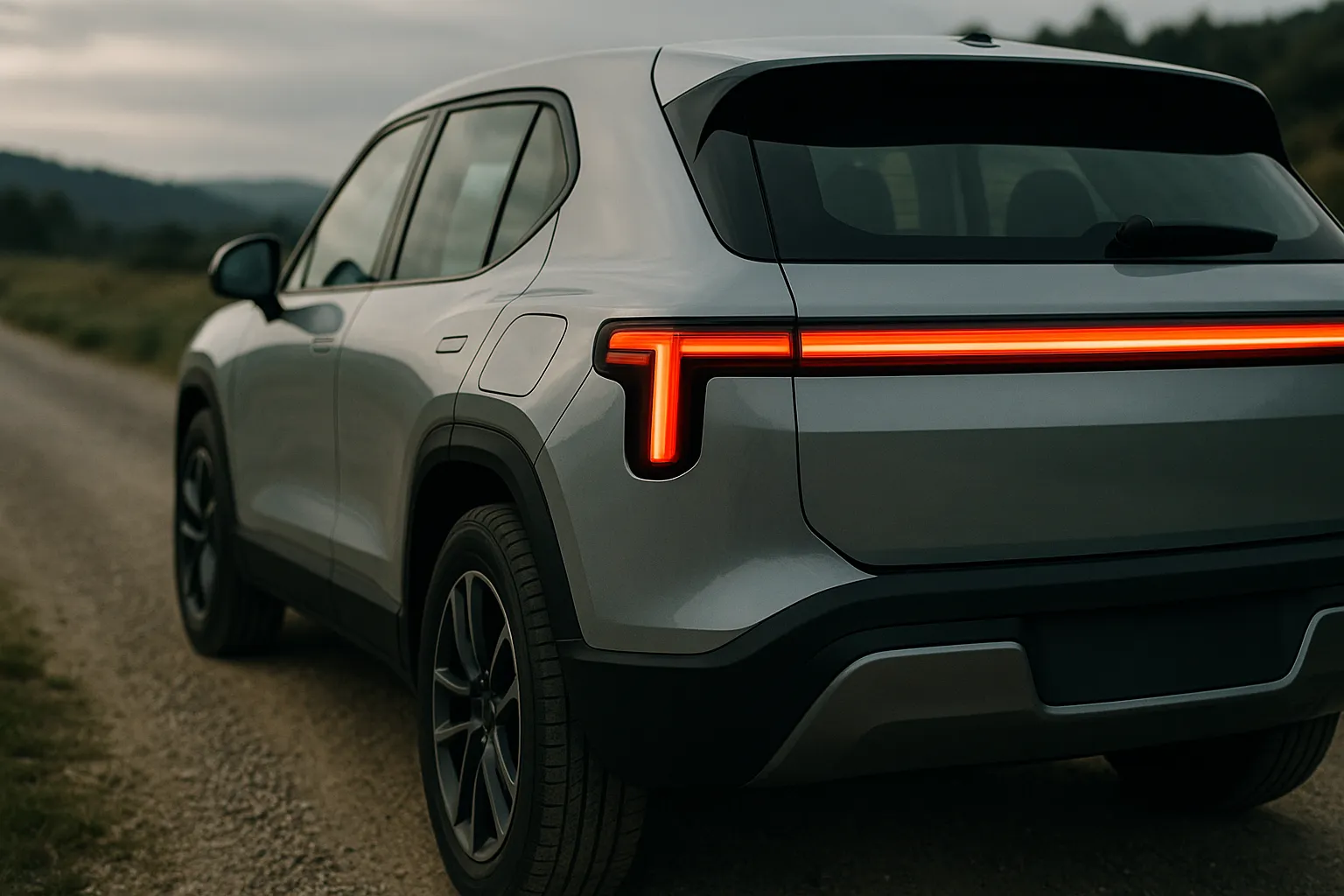
Rivian has made a name for itself with electric pickups, SUVs and delivery vehicles, but the larger R1 models are priced in a range that excludes many interested buyers. The R2 is intended to close this gap: more compact, less expensive and more strongly aimed at the mass market. That is exactly why it is often regarded as a key model.
A successful launch of the R2 could help Rivian increase volumes, better distribute manufacturing costs and strengthen its brand beyond its previous enthusiast and premium customer base. A bumpy start, on the other hand, can weigh on reservations, residual value forecasts and the perception of product quality.
This does not automatically mean that the R2 is unreliable. A recall alone says little about a vehicle's long-term durability. But it does show that a manufacturer has to refine technical issues in the early production and delivery phase. With a model that plays a central economic role, every one of these steps is watched particularly closely.
Rearview camera: Small component, major significance

The first recall revolved around the rearview camera software. Such systems may seem unspectacular in everyday use, but they are safety-relevant. A camera that does not start in time, shows a delayed or frozen image or fails under certain conditions can become a risk when maneuvering.
In modern electric cars, many vehicle functions run through central computers, displays and software modules. This brings advantages: faults can often be diagnosed more quickly, and some problems can be fixed via over-the-air update. At the same time, new dependencies arise. If a fault is located in a shared software base, it can affect several model lines at the same time.
The fact that the earlier camera issue was also connected to R1 vehicles fits this development. Manufacturers use platforms, control units and software architectures across models in order to reduce costs and save development time. That is efficient, but it makes thorough validation all the more important.
What owners should pay attention to now
Anyone driving an affected Rivian or waiting for delivery should first keep an eye on the official notifications in their customer account, in the app or by post. Recalls are usually handled precisely by vehicle identification number. Not every vehicle in a model line has to be affected.
The type of remedy is also important. If it is a purely software-related issue, the solution may be installed wirelessly under certain circumstances. This is convenient for owners and reduces workshop effort. If, however, hardware has to be checked or replaced, a service appointment will be necessary. For young brands, service coverage is an important factor because workshop networks are usually smaller than those of established manufacturers.
Owners should not ignore recalls, even if no symptoms appear in everyday use. Some defects only show up under certain conditions, such as at particular temperatures, after a vehicle restart or in combination with other functions. A completed recall can also be relevant later when reselling the vehicle.
What interested buyers can learn from this
For potential buyers, the second recall is a signal to look more closely, but not a reason for blanket rejection. Especially with new vehicle platforms, corrections occur more frequently in the first months of production. Buyers should check whether the specific vehicle has received all service actions and whether the manufacturer provides transparent information about the scope and solution.
With a young EV manufacturer, less emotional points also count in addition to range, charging performance and design: How quickly does customer service respond? Are there mobile service offerings? How far away is the nearest workshop? Are software updates distributed reliably? How well does the manufacturer document completed work?
These questions are particularly important when a vehicle is strongly software-defined. Modern electric cars can improve after purchase, but they can also be more affected by digital faults than older, mechanically simpler vehicles.
Industry impact beyond Rivian
The case also shows a broader development in the automotive industry. Recalls are changing their character. In the past, mechanical parts such as brake lines, airbags, steering components or fuel systems were often the focus. Today, many measures concern software, cameras, displays, driver assistance systems or communication modules.
For manufacturers, this is a double-edged sword. On the one hand, software problems can be fixed more quickly and cheaply than hardware defects. On the other hand, customers now expect digital functions to work just as reliably as mechanical systems. If a central display, a camera or an assistance system fails, that is immediately perceived as a quality problem.
For Rivian, the challenge is particularly great because the brand is still building trust. Tesla, Ford, General Motors, Hyundai, Kia, Volkswagen and other manufacturers have already gone through major recall programs. Established brands can often cushion such phases through dealer networks, existing customers and long-standing reputations. A younger manufacturer has to prove that it not only recognizes problems, but also solves them quickly and in a customer-friendly way.
Implementation is now decisive
The second recall for the R2 is not a final judgment on the vehicle. But it increases the pressure on Rivian to manage the production ramp-up cleanly and inform customers clearly. For a model intended to reach a larger group of buyers, reliability, service experience and transparency are just as important as range, acceleration or off-road image.
For buyers, the practical lesson is: do not just compare technical data, but also check recall history, service access and update process. For Rivian, the task is: fix problems quickly, openly narrow down the causes and show that the R2 can become not only an attractive electric SUV, but also a mature everyday car.