Nissan wants to build significantly more US models in America by 2030
Nissan aims to produce around 80 percent of the vehicles it sells in the USA there as well by 2030. The goal is intended to make the company more resilient against tariffs, trade rules and supply-chain risks.

Nissan is aligning its US strategy more strongly with local manufacturing. By 2030, around 80 percent of the vehicles the brand sells in the United States are also to be built in the USA. That is a clear signal: the manufacturer wants to become less dependent on imports, currency fluctuations and short-term changes in trade policy.
For car buyers, a production quota may at first sound like a purely industrial announcement. In practice, however, it can have noticeable consequences. Where a vehicle is built influences costs, delivery times, model availability and sometimes also equipment policy. Especially in a market like the USA, where pickups, SUVs and affordable compact models compete over margins and discounts, local manufacturing can be an important buffer against price jumps.
Why Nissan wants to localize production
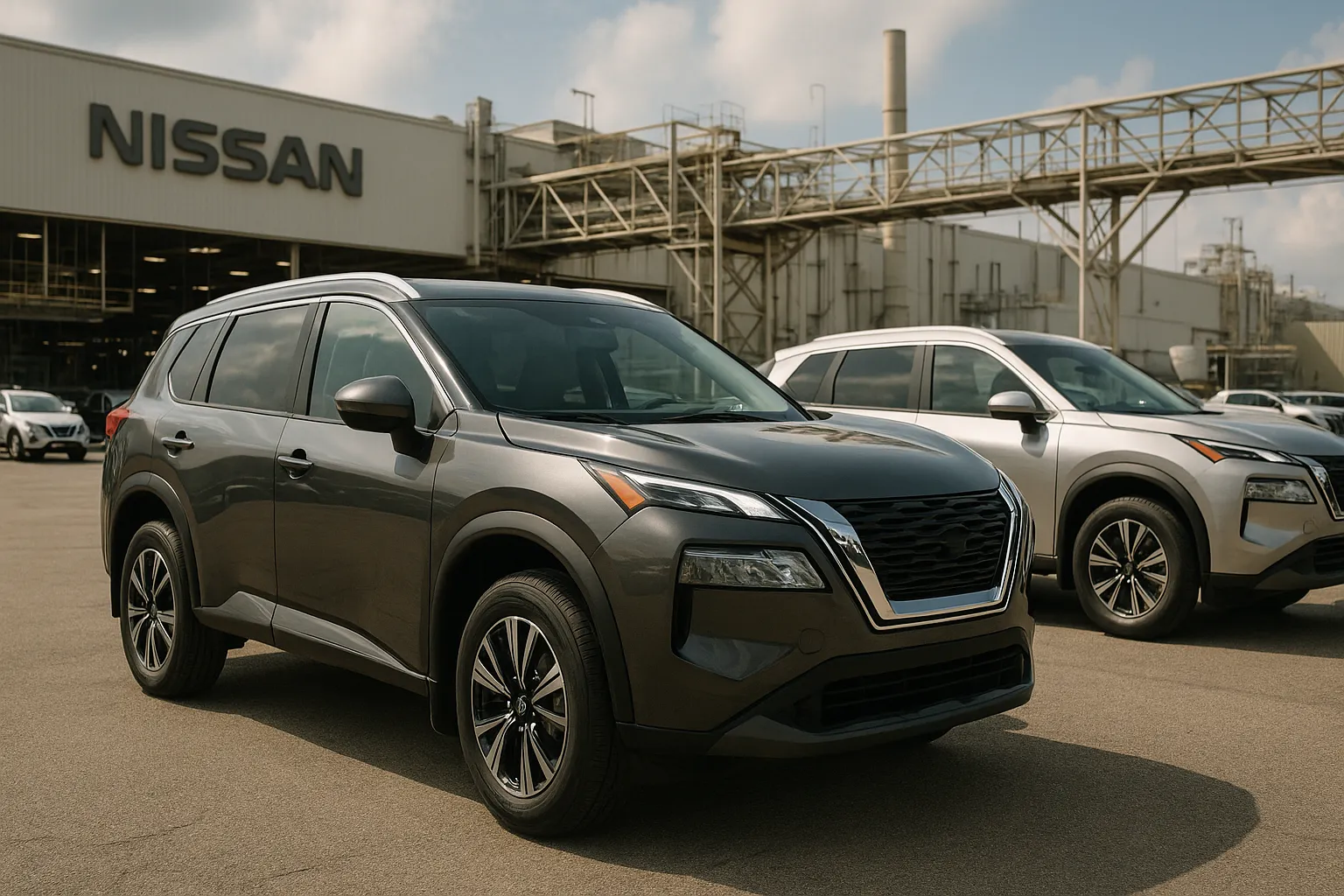
The most important driver is predictability. Automakers today not only have to factor in material costs, chip supply and logistics, but also trade rules, tariffs and political shifts in direction. Vehicles imported across borders can quickly become more expensive when new duties are imposed. Even if a manufacturer does not pass such additional costs on to customers in full, they weigh on margins and limit room for discounts, lease rates or special promotions.
A higher US manufacturing share can help Nissan cushion these risks. If more vehicles are produced close to the sales market, dependence on long transport routes and cross-border supply chains decreases. At the same time, Nissan can respond more quickly to regional demand. If an SUV suddenly sees stronger demand than a sedan, nearby production is often easier to adjust than an import plan that was set months in advance.
However, the target of 80 percent by 2030 is not a foregone conclusion. To achieve it, Nissan would not only have to make better use of production volumes in existing plants, but also decide which models should be built locally in the future. Details on individual model lines, investment amounts or a binding timetable for plant conversions have not yet been fully specified publicly. That leaves open how quickly the strategy will become noticeable to customers in the showroom.
Which plants could play a role
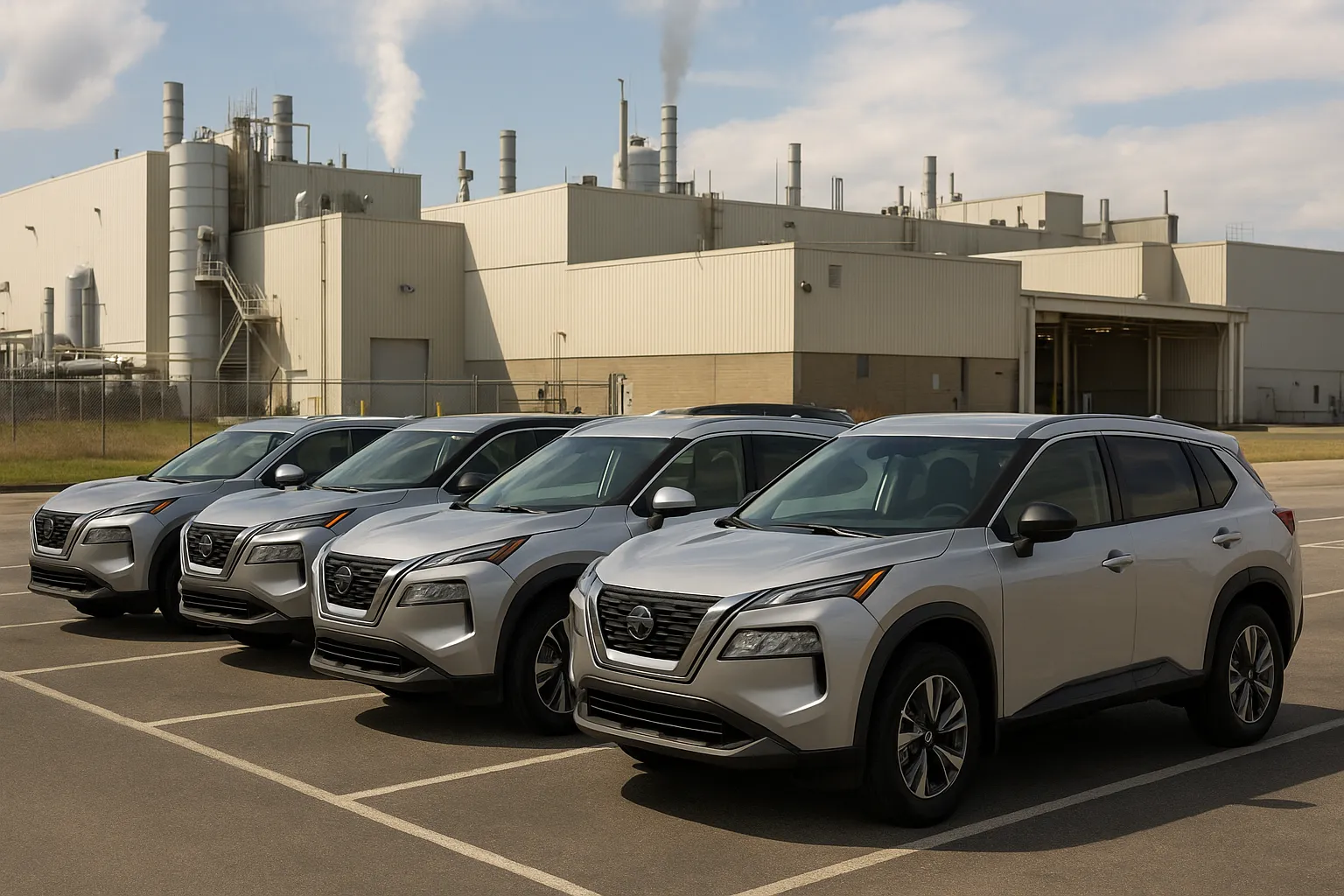
Nissan already has a long manufacturing history in the USA. The plant in Smyrna in the state of Tennessee is one of the company's most important sites in North America. Nissan also operates a plant in Canton, Mississippi. In addition, there is engine and component production in Decherd, also in Tennessee. This base gives the manufacturer an advantage over brands that import the majority of their US offerings.
The challenge is less about building in the USA at all, and more about the right product mix. The US market demands profitable crossovers, SUVs and pickups, while traditional sedans have been under pressure for years. In the USA, Nissan sells models such as Rogue, Pathfinder, Murano, Frontier, Sentra, Versa, Kicks, Armada and Z, as well as various Infiniti models within the group environment. Not all of them come from US plants, and some model lines are closely tied to manufacturing networks in Mexico or Japan.
It is precisely this interconnection that makes the 80 percent target complex. Mexican plants have played an important role for affordable Nissan models in North America for years. A stronger shift to the USA could help reduce tariff risks, but it could also bring higher wage and operating costs. Nissan therefore has to weigh which vehicles make sense to build locally and for which models the current production structure remains economically viable.
What does this mean for prices and availability?
For buyers, the obvious question is: will Nissan models become cheaper as a result? There is no guarantee of that. Local production can stabilize costs, but it does not automatically lower the sales price. Tools, facilities, supplier contracts and labor costs have to be financed. In addition, manufacturers set prices according to competition, demand and profit targets, not solely according to the production address.
Nevertheless, the strategy can bring advantages. If Nissan becomes less vulnerable to import tariffs or expensive logistics, price increases could be smaller in certain situations. Availability can also benefit: shorter supply chains make it easier to supply dealers more quickly and adapt equipment better to local demand. For customers, this could mean that popular variants do not remain scarce for as long or that leasing and financing offers become more predictable.
This is particularly relevant in the lower and mid-price segments. Nissan has traditionally been strong in the USA with models that appeal to price-conscious buyers. Small sedans, compact crossovers and midsize SUVs face intense competitive pressure. If import costs rise, these vehicles in particular come under pressure because buyers there have less leeway for higher monthly payments. Robust local manufacturing can help keep such models in the lineup.
Electric cars remain an open factor
By 2030, electrification will also play a larger role, even if growth in electric cars does not progress evenly every year. For Nissan, the topic is particularly interesting because the brand entered the mass market for electric cars early with the Leaf, but has recently had to compete against stronger rivals in the US EV segment. The larger Ariya is not built in the USA, which can put it at a disadvantage versus some rivals when it comes to local sourcing rules and potential subsidy criteria.
If Nissan were to locally manufacture more electric vehicles or electrified models for the US market in the future, that could have several advantages. It would regionalize the supply chain for batteries and components more strongly and could help with government requirements or subsidy mechanisms, provided the respective rules are met. However, it remains open which EV models Nissan will prioritize in the USA and whether postponed or adjusted electric plans will be included in the 80 percent target by 2030.
For customers, this means: the production strategy is an indication of future model decisions, but not yet a concrete roadmap for a specific electric car in dealer inventory. Anyone looking to buy a Nissan EV in the coming years should continue to pay close attention to production location, battery supply chain, subsidy eligibility and lease terms.
Signal to dealers, suppliers and competitors
For the industry, Nissan's target is above all a competitive statement. Many manufacturers are currently reconsidering how much production they place in the USA, Mexico, Canada or Asia. The answer depends on costs, trade agreements, the labor market, battery policy and demand. With the 80 percent target, Nissan is clearly positioning itself toward regional safeguarding.
Dealers could benefit if locally produced vehicles arrive more reliably and model planning depends less heavily on import bottlenecks. Suppliers in the USA could receive additional orders if Nissan sources more parts locally. At the same time, pressure is increasing on plants to work efficiently enough to enable competitive prices in the tough US market.
For enthusiasts, the news is also interesting because production decisions often determine which niche models are retained. Sports cars, large SUVs or pickups need viable business models. If local plants are better utilized, that can support individual model lines. If, on the other hand, capacities are shifted in favor of high-volume crossovers, less profitable models could come under closer scrutiny.
A realistic but demanding target
Nissan's plan to manufacture around 80 percent of its US sales locally by 2030 fits into an auto industry that is once again thinking more regionally. The strategy can reduce risks, shorten supply chains and give the company more control over its US business. For buyers, what matters most is that local production can potentially support more stable prices and better availability without automatically guaranteeing cheaper cars.
The decisive factor will be which models Nissan actually moves to US plants or expands there. Only when investments, model lines and timetables become more concrete will it be possible to assess whether the target remains primarily a safeguard against trade risks or visibly changes the brand's US model mix. Until then, the message is clear: Nissan wants to serve the American market more strongly from American production in the future.