Citroën 2CV Concept: affordable electric comeback for Europe’s cities
With the 2CV Concept, Citroën shows what a very affordable electric small car from 2028 could look like. The planned entry price is around 15,000 euros – depending on new EU rules.
A classic is set for an electric restart
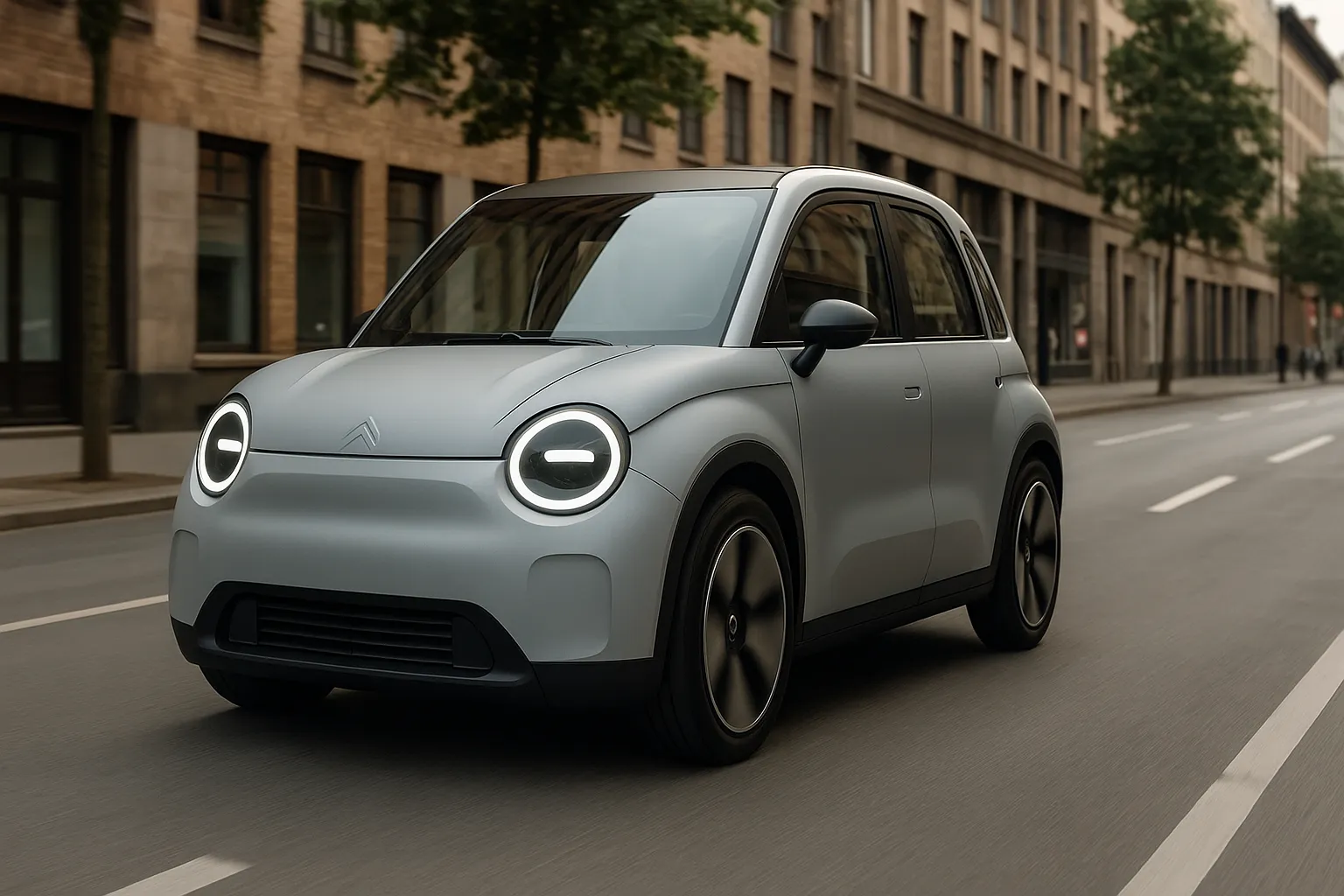
Citroën is preparing a reinterpretation of the 2CV – not as a nostalgic collector’s item, but as the most affordable possible electric car for everyday use. The 2CV Concept now shown offers a preview of a production model that is expected to go on sale by the end of 2028. The focus is on a price target of about 15,000 euros. For the British market, a converted value of around 13,000 pounds is mentioned, although final prices, equipment lines and subsidy options are still open.
With this, Citroën is taking up an idea that fits the historic 2CV: simple mobility for many people. The original Deux Chevaux did not become famous as a luxury product, but as a robust, practical and affordable car. The electric new edition is intended to take on exactly this role at a time when many new electric cars remain too expensive for private buyers.
Smaller than a classic small car
The concept measures 3.76 meters in length and thus sits in the range of today’s city cars. Its positioning is interesting: the new 2CV is intended to sit above the Citroën Ami, which is legally classified as a light vehicle, but below a fully fledged electric small car such as the ë-C3. This creates an intermediate solution for buyers who are looking for a real car with more utility than the Ami, but do not need the size or price of a conventional small car.
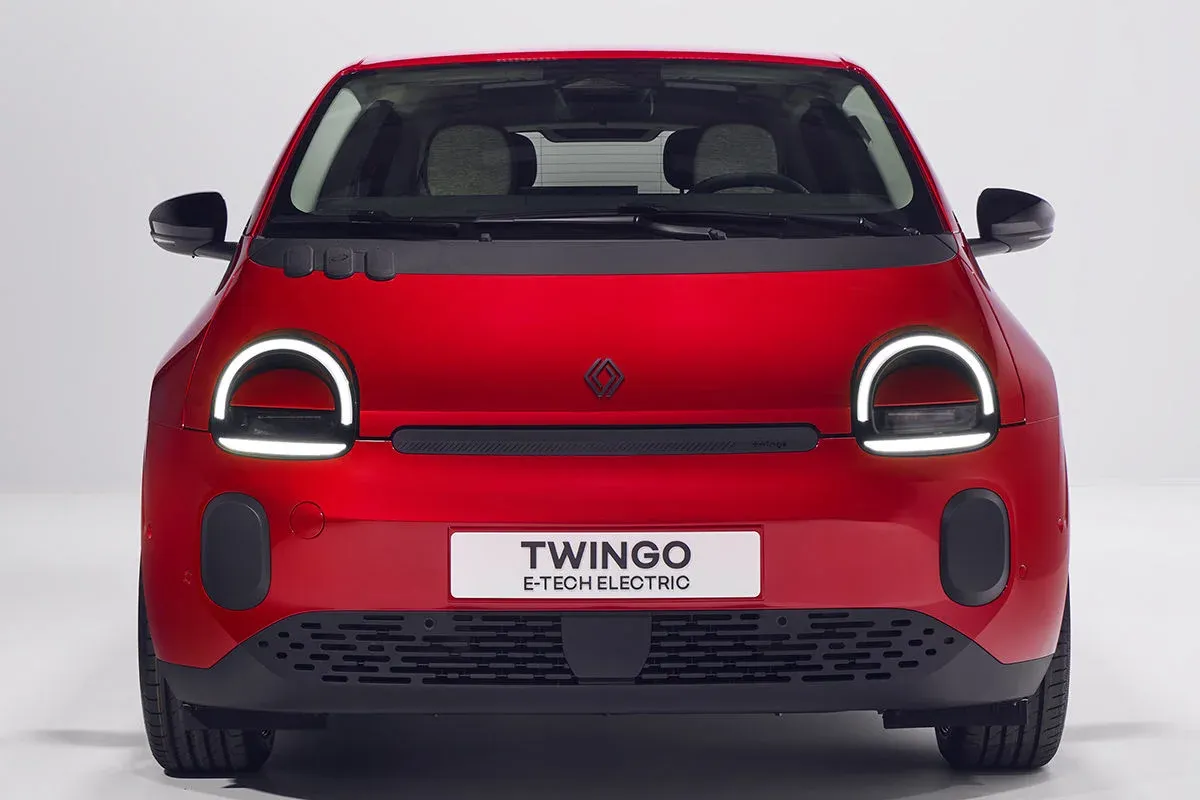
The 2CV also remains compact compared with other upcoming European city electric cars. It is described as shorter than the new Renault Twingo. That is important for the city: less length makes parking easier, reduces weight and can help keep battery size and costs low. For commuters, young drivers, second-car buyers and households with a limited budget, precisely this formula could be attractive.
Retro, but not just as a styling exercise
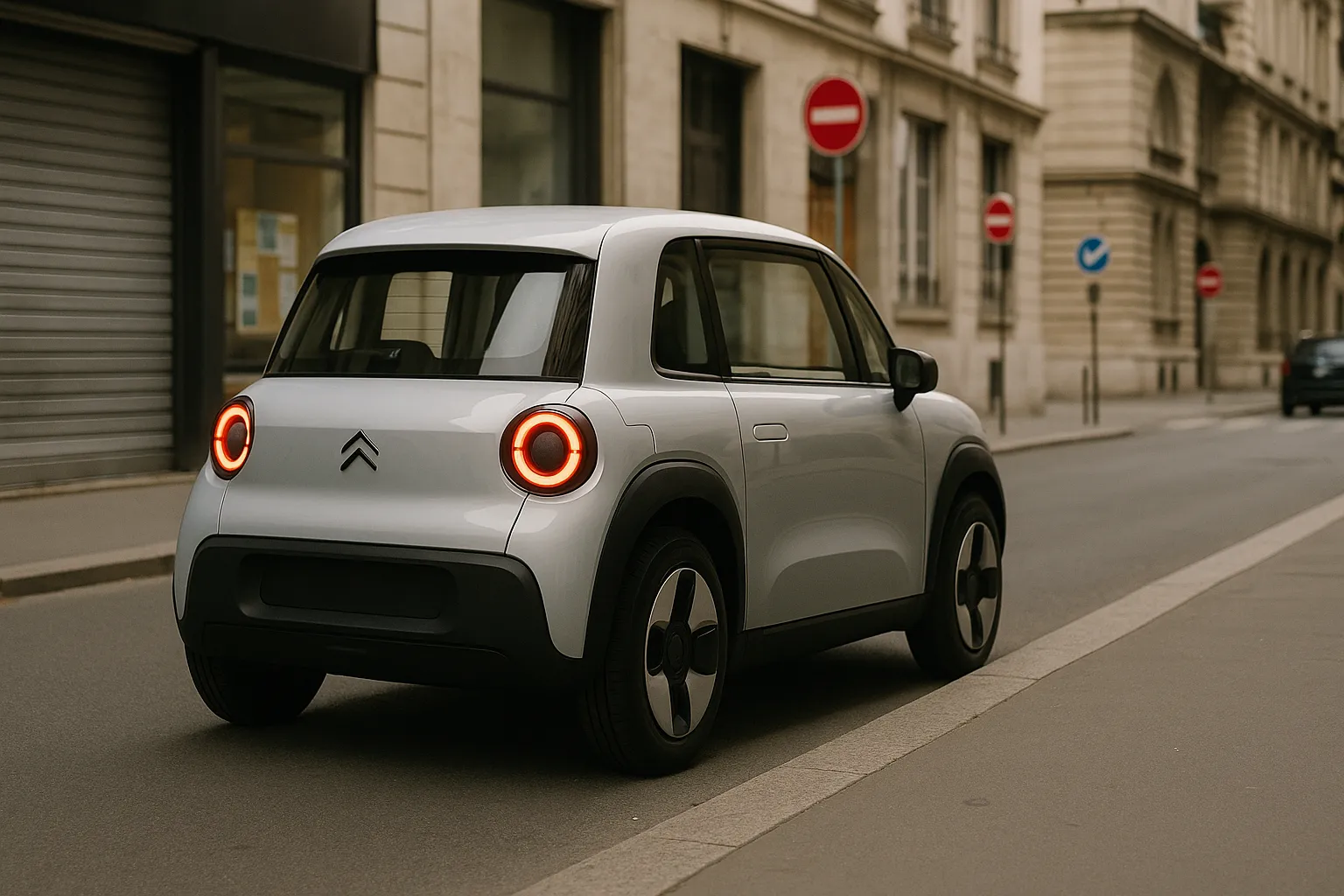
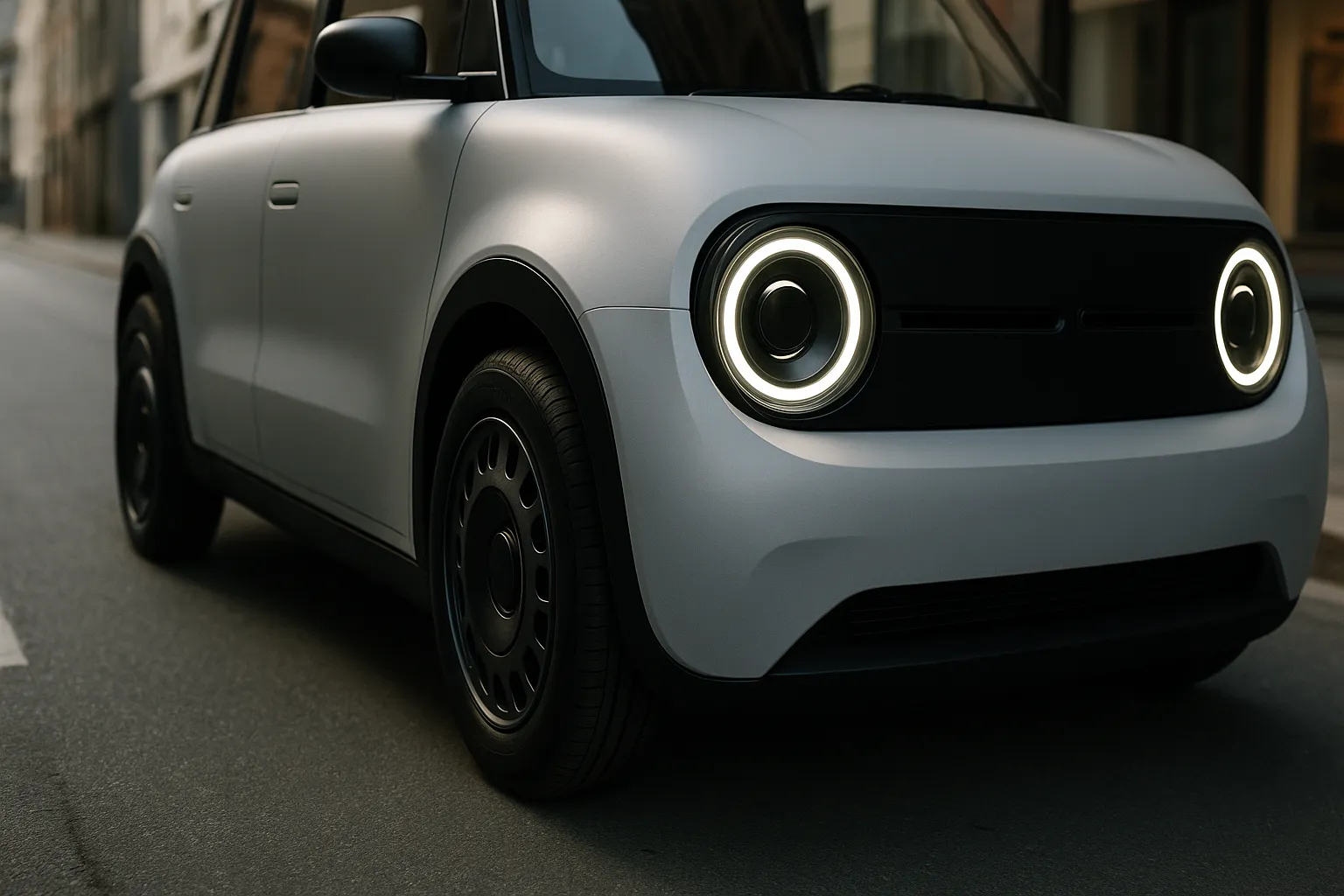
Visually, the Concept plays with familiar 2CV motifs without simply copying an old body shape. The basic idea is retro-futuristic: friendly proportions, clear surfaces and details that recall the original. This also includes a tongue-in-cheek reference to the famous everyday usability of the historic model – for example, a storage design that recalls the legendary egg test of the 2CV. The old 2CV was once supposed to ride so gently that eggs could be transported over uneven farm tracks without breaking.
Such details are important for fans, but the decisive point is another one: Citroën is trying to use the 2CV’s heritage not only through design, but through its purpose. The new car is intended to be simple, easy to understand and affordable. That sets it apart from many retro revivals, which primarily sell emotion and are priced far away from the original people’s-car idea.
Price depends on new EU rules
The planned price of around 15,000 euros is closely linked to a new European vehicle category that is currently being discussed between policymakers and manufacturers. It is often described as an E-Car rulebook: a simplified framework for small, light electric cars intended to make development, approval and production cheaper. What remains crucial is how these rules ultimately look. The price should therefore be understood as a target value, not as a binding price list.
Such a rulebook would be significant for the industry. European manufacturers are under pressure: on the one hand, they have to sell electric cars; on the other, they are competing with aggressively priced providers from China and with used combustion-engine cars, which remain financially more attractive for many customers. If smaller electric cars can be built more cheaply through adapted regulations, that could lower the barrier to entry for electric mobility.
For buyers, this means: a new electric car does not necessarily have to be an expensive SUV or a technically overloaded lifestyle model. If Citroën achieves the target price, the 2CV would sit well below many current electric small cars. Whether it actually reaches customers at such a low price after taxes, options, battery concept and national subsidies remains to be seen.
Why Citroën sees this gap
The market for very small cars has thinned out in Europe. Many manufacturers have discontinued classic entry-level models because stricter safety and emissions requirements, high development costs and low margins made the segment unattractive. At the same time, new cars have become more expensive overall. This is exactly where the 2CV is intended to start.
With the Ami, Citroën has already gained experience with radically simple electric mobility. The Ami is inexpensive and extremely compact, but limited in performance, comfort and area of use. The ë-C3, in turn, is a fully fledged small car and significantly more versatile, but also larger and more expensive. An electric 2CV could close the gap between them: more car than a light vehicle, less cost and complexity than a normal small car.
What buyers can expect – and what is still open
Key technical data is still missing. Details on battery size, range, charging power, motor output, weight and interior variants are not yet final. For a car with this price target, however, it is to be expected that Citroën will rely on simple solutions: a moderate battery for city and suburban driving, robust materials, reduced equipment and a clear operating logic instead of costly high-tech staging.
That does not have to be a disadvantage. Many buyers do not need 500 kilometers of range, air suspension or three screens in everyday life. An affordable city car has to be reliable, safe, easy to park and cheap to run. The decisive factor will be whether Citroën gets the balance right: enough comfort and safety for everyday use, but not so much complexity that the price advantage disappears.
Significance beyond Citroën
The electric 2CV is more than a brand project. It is a test case for whether European manufacturers can once again build credible entry-level cars. If the concept works, there are likely to be imitators – among Stellantis brands as well as competitors. Small electric cars could then once again play a serious role in the new-car market instead of being regarded only as niche products for car sharing or inner-city fleets.
For enthusiasts, the return of the 2CV is emotionally interesting because Citroën is reinterpreting one of its most important icons. For normal car buyers, however, it is more important that an affordable path to electric mobility could emerge here. And for the industry, the question arises as to whether simplicity can once again become a selling point.
For now, the new 2CV remains a concept with an ambitious price target and a planned launch toward the end of 2028. But the direction is clear: less weight, lower costs, less excess – and thus possibly exactly what many European car buyers currently lack.