Volvo plans 13 new models by 2030 – estates also remain under discussion
Volvo is preparing a comprehensive renewal of its model range. By 2030, 13 new vehicles are set to arrive, with sedans and estates potentially playing a role alongside SUVs.
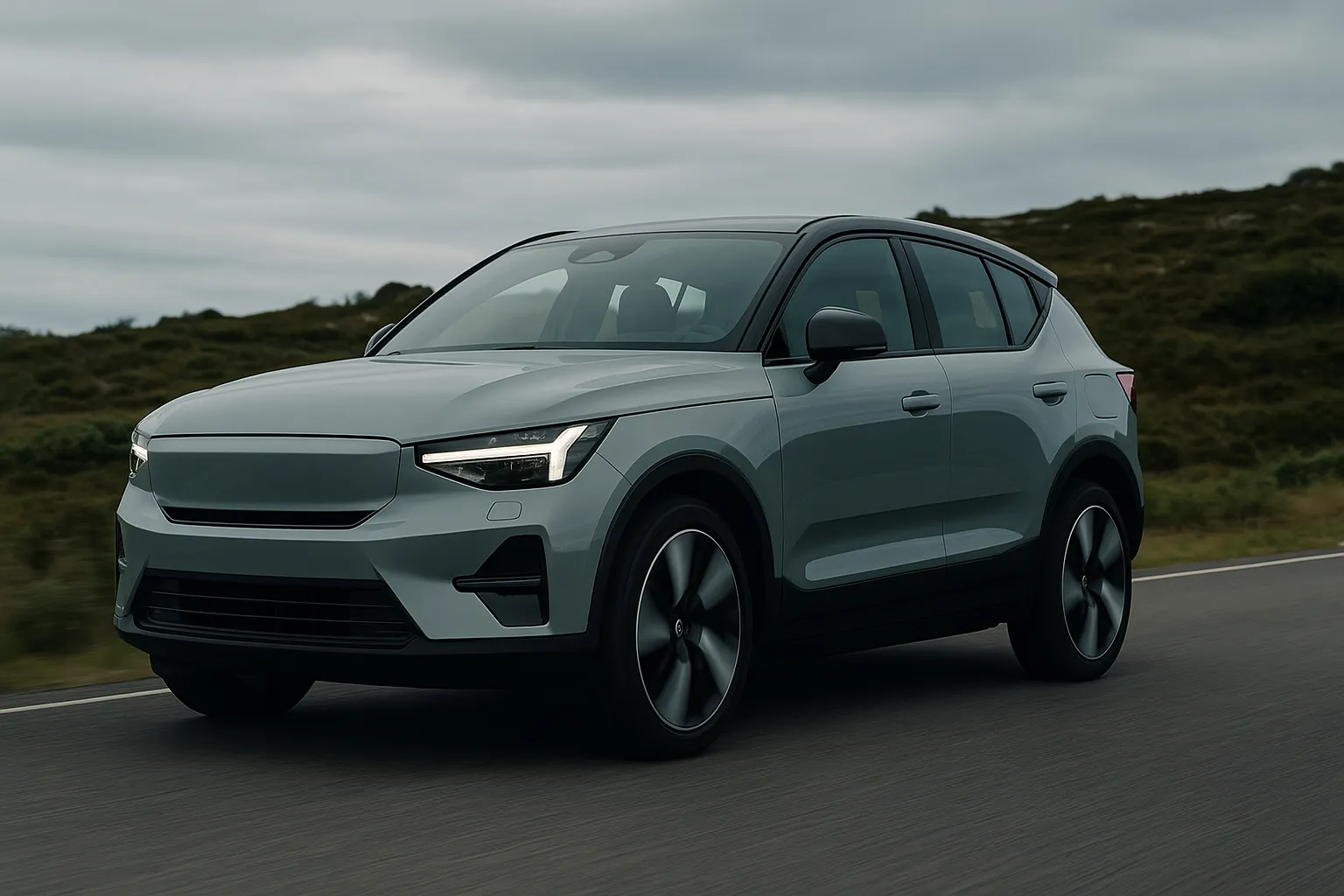
Volvo is preparing one of the biggest model offensives in its recent history. By 2030, 13 new vehicles are set to come to market. This puts the brand on the verge of a phase in which not only individual model lines will be refreshed, but the model range as a whole is likely to be reorganized.
The number is remarkable because Volvo is traditionally not a manufacturer with an extremely broad offering. For years, the Swedes have focused on a few model lines, clear body styles and a strong brand identity centered on safety, restrained design and increasingly electric drives. 13 new vehicles within a few years therefore mean more than a normal model update. It is about the question of how Volvo wants to position itself in the next decade between electric cars, plug-in hybrids, SUVs and classic body styles.
More than just new SUVs
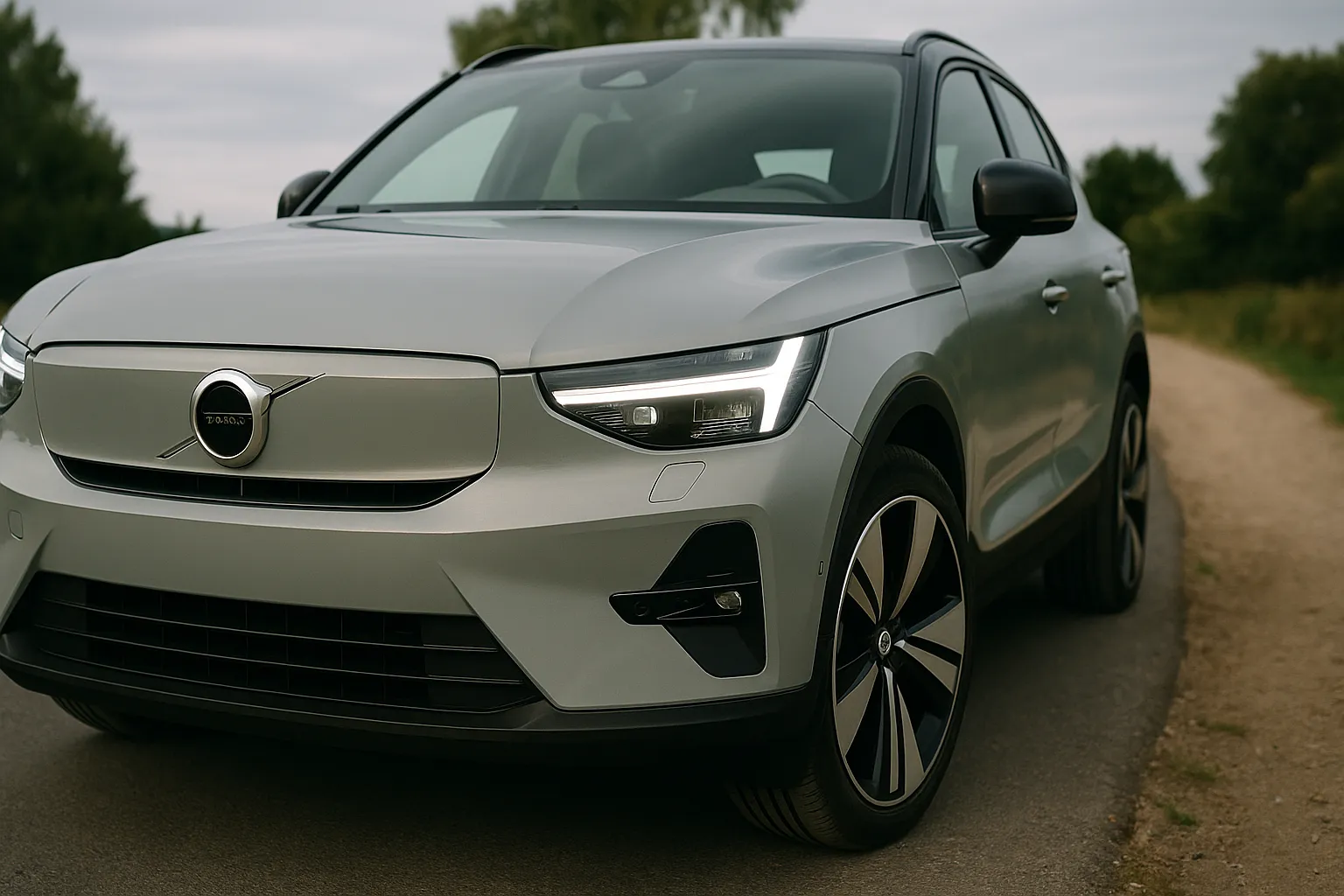
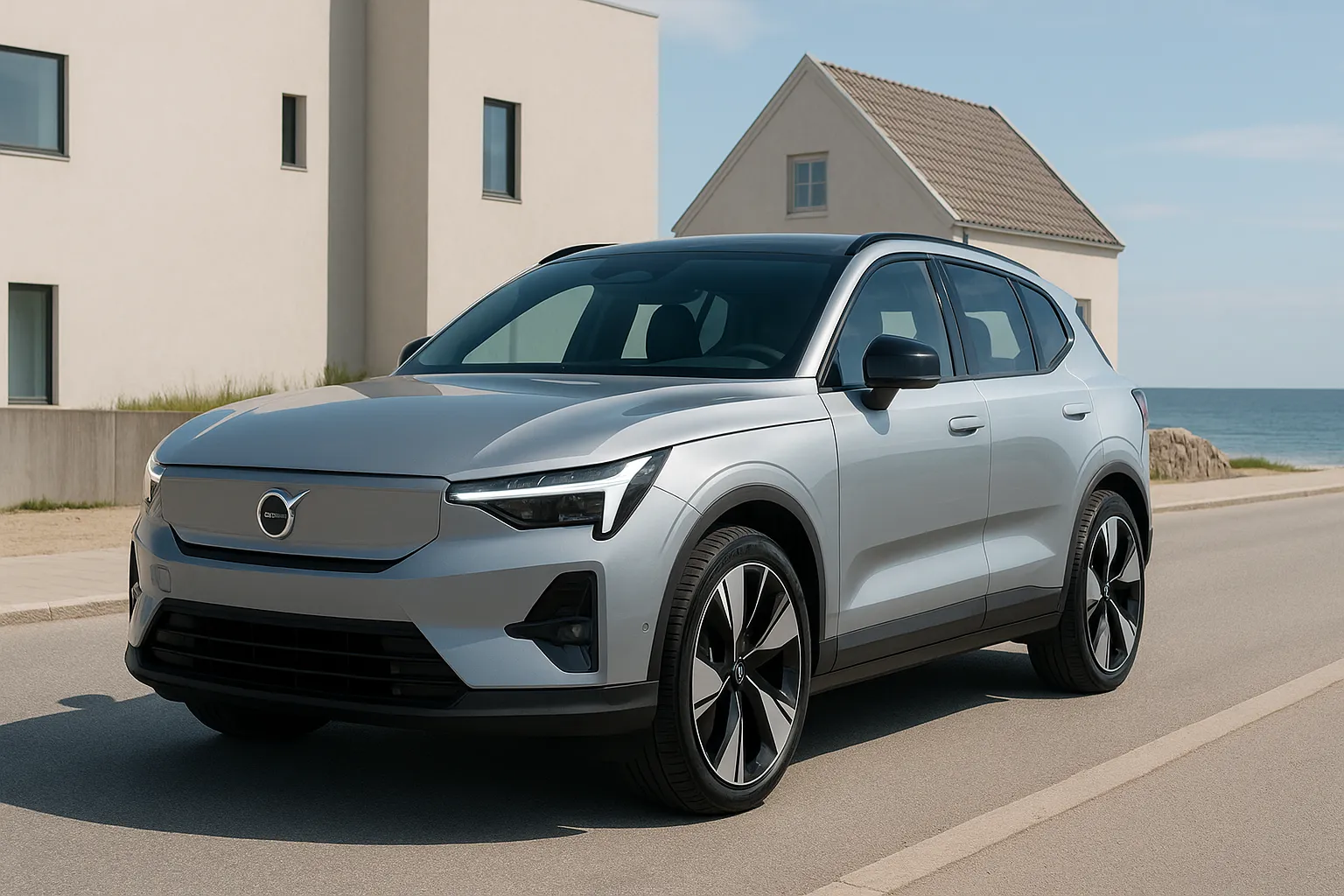
In recent years, Volvo’s focus has clearly been on SUVs and crossovers. That fits the market: models with a higher seating position sell strongly worldwide, are high-margin in important regions and can be combined well with large batteries. Vehicles such as the EX30 and EX90 show where Volvo has developed its electric range: from the compact entry-level model to the large family SUV.
But the upcoming product offensive does not have to consist exclusively of SUVs. Sedans and estates are still under discussion. This is especially relevant for European customers and long-standing Volvo fans. Hardly any brand is as closely associated with the estate as Volvo. Models such as the V series shaped the brand’s image for decades: practical, matter-of-fact, safe and suitable for long distances.
Whether new estates will actually arrive has not yet been fully confirmed. It is also open whether Volvo understands all 13 vehicles as completely independent model lines or whether they also include new generations, derivatives and regional variants. In the automotive industry, the term new model is not always used uniformly. What is clear, however, is that model planning up to 2030 will be significantly denser than most recently.
Why this matters for buyers
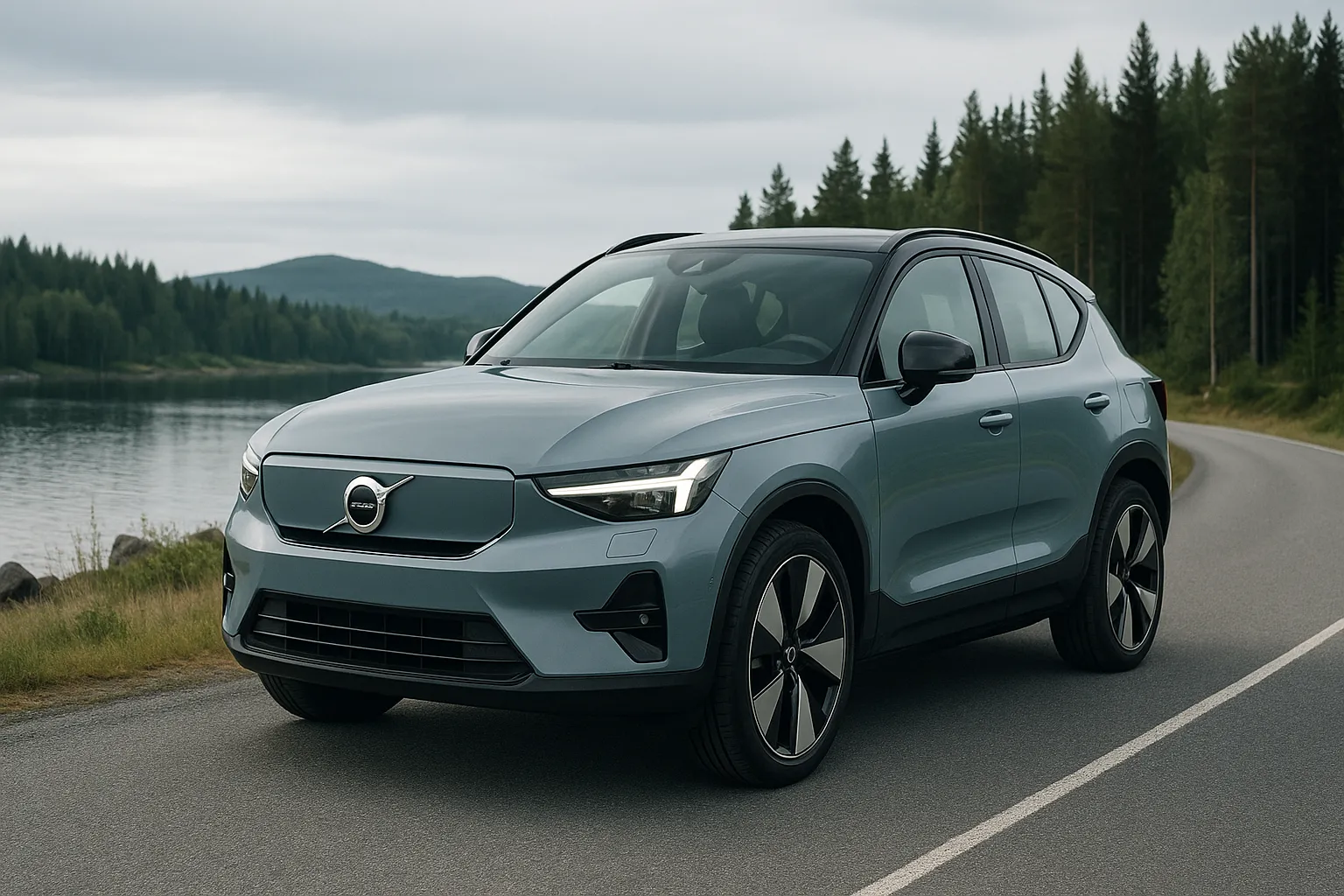
For car buyers, such an offensive can bring several advantages. First, choice increases. Anyone who wanted a Volvo model so far but was not entirely satisfied with the current format could get more alternatives in the future: smaller or larger vehicles, different body styles, various battery sizes and possibly several drive concepts depending on the market.
Second, a young model range can bring technical progress to a wider range more quickly. In electric cars, this primarily concerns range, charging power, efficiency and battery chemistry. In modern vehicles, software, assistance systems, infotainment and over-the-air updates are also playing an increasingly important role. The more new models Volvo introduces in a short time, the more likely the brand can standardize new electronic architectures and operating concepts.
Third, the view of residual values and purchase timing changes. Anyone buying a Volvo today should know that a larger renewal is due in the coming years. That does not have to be a disadvantage, but it can play a role in leasing, resale and model choice. An outgoing model can be attractively priced, while an upcoming successor may offer more modern technology.
Electrification remains the common thread
Volvo has adjusted its electrification strategy in recent years. The path still clearly leads toward electrified drives, but the transition is turning out to be more pragmatic than originally announced. By the end of the decade, the majority of sales are expected to consist of fully electric cars and plug-in hybrids; in individual markets, mild-hybrid combustion engines may remain relevant for longer.
This flexibility is important. Demand for electric cars is not developing at the same pace everywhere. Charging infrastructure, purchase incentives, electricity prices and local regulations differ greatly between Europe, North America and Asia. For a manufacturer with global ambitions, it would be risky to rely on only one type of drive if markets switch over at different speeds.
At the same time, Volvo must keep its electric cars competitive. The pressure comes from several sides: established premium manufacturers are expanding their electric model ranges, Tesla remains a central benchmark in many markets, and Chinese brands are increasing competition with a high development pace. 13 new vehicles by 2030 can help Volvo remain more visible and respond more quickly to market shifts.
The return of classic Volvo values?
The possibility of new sedans and estates is particularly interesting. While many manufacturers have reduced classic body styles in favor of SUVs, there are still buyers looking for exactly these alternatives. An estate often offers better efficiency than an SUV, a lot of utility and a lower driving feel. For high-mileage drivers, families and fleet customers, that can be attractive.
An electric Volvo estate would also be a strong brand signal. It would combine tradition and the future: the familiar practical body style with a modern electric drive. However, such a vehicle only makes sense if it is economically viable. Estates sell significantly more weakly outside Europe than SUVs. Volvo would therefore have to weigh whether a global model, a regionally focused vehicle or a derivative of an existing platform would be the best solution.
Sedans also remain a difficult but not insignificant segment. In China and parts of Europe, they continue to have prestige and fleet relevance. In other markets, they have come under significant pressure. If Volvo brings new sedans, they would have to distinguish themselves clearly from SUV models: through efficiency, comfort, design and possibly better range with the same battery capacity.
Challenge: speed without loss of quality
A broad model offensive brings opportunities, but also risks. New vehicles cost a lot of development capital, tie up engineering capacity and increase complexity in production, purchasing and sales. For Volvo, it is crucial that the abundance of models does not come at the expense of brand values. Safety, build quality, comfort and software stability are central purchase reasons for many customers.
Software in particular remains a critical point in modern vehicles. New electric platforms, assistance systems and connected functions must work reliably. A rapid model launch can become problematic if vehicles come to market too early or functions have to be delivered later. Buyers now expect updates after delivery, but not unfinished cars.
What to expect by 2030
The coming years at Volvo are likely to be shaped by a mix of new electric vehicles, revised existing model lines and possible body-style expansions. SUVs will very likely retain a central role because they are in demand globally and fit well with the current market logic. At the same time, Volvo could try to differentiate itself more strongly from competitors again with estates and sedans.
For the industry, the plan is a signal: even smaller premium manufacturers must accelerate their product cycles in order to remain relevant in the electrified market. For customers, this means more movement in the offering and possibly more choice beyond the usual SUV formula.
The full model names, technical data and market dates are still missing. But the direction is clear: by 2030, Volvo does not just want to close individual gaps, but to reposition its entire model range. If the brand combines its traditional strengths with convincing electric technology in the process, this offensive could be far more than a mere expansion of the showroom.