Volkswagen Tukan: New Pickup Uses the MQB Platform
With the Tukan, Volkswagen is showing a pickup based on MQB. The model is intended to be more than a converted crossover and could build a new bridge between passenger-car comfort and utility.
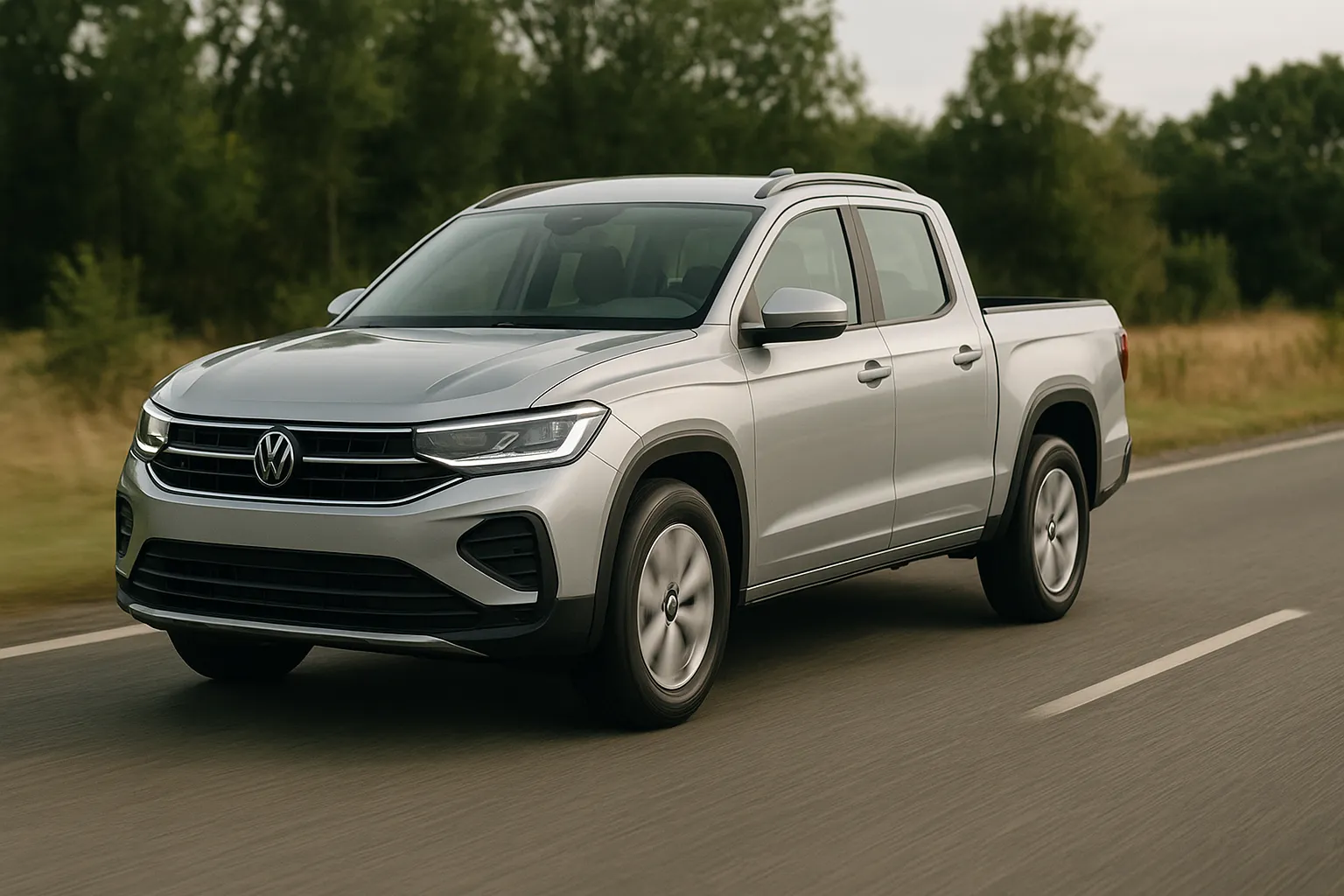
Volkswagen is expanding its portfolio with an unusual offshoot: the new Tukan is a pickup based on the modular transverse matrix MQB. This means the model uses a technical architecture best known from the Group’s passenger cars and SUVs. For Volkswagen, this is a notable step, because the Tukan is not intended merely to look like a crossover with an attached load bed, but to appear as an independent pickup.
Concrete technical data on engines, payload, towing capacity, dimensions, or market launch are not yet available in a reliable form. What is clear, however, is this: the choice of the MQB platform shapes the character of the vehicle more strongly than any individual design detail. It points to a pickup that is more likely to be positioned in the area of compact, everyday-usable commercial vehicles than among classic ladder-frame models for heavy-duty work.
MQB Instead of a Classic Pickup Base

MQB is one of the most important platforms in the Volkswagen Group. It forms the basis for numerous models with transversely mounted engines, from compact cars to SUVs. Its strength lies in scalability: wheelbase, track width, body shape, and drive configurations can be adapted to different vehicle types within defined limits.
For a pickup, this approach is interesting, but also challenging. Traditional pickups often rely on ladder-frame constructions that enable high robustness, large towing capacities, and a clear separation between the driver’s cab and the load body. An MQB vehicle, by contrast, is likely to rely more on a unibody structure. That can bring advantages in ride comfort, interior ergonomics, noise levels, and efficiency. At the same time, developers must ensure that the load bed, rear-axle tuning, and body structure meet the requirements of buyers who choose a pickup not just for its looks.
This is precisely where the real relevance of the Tukan lies. It could appeal to a target group that does not need a large work pickup, but is looking for more flexibility than an SUV offers: tradespeople with light equipment, recreational athletes, rural households, or buyers in markets where compact pickups traditionally play a larger role.
Independent Design as an Important Signal
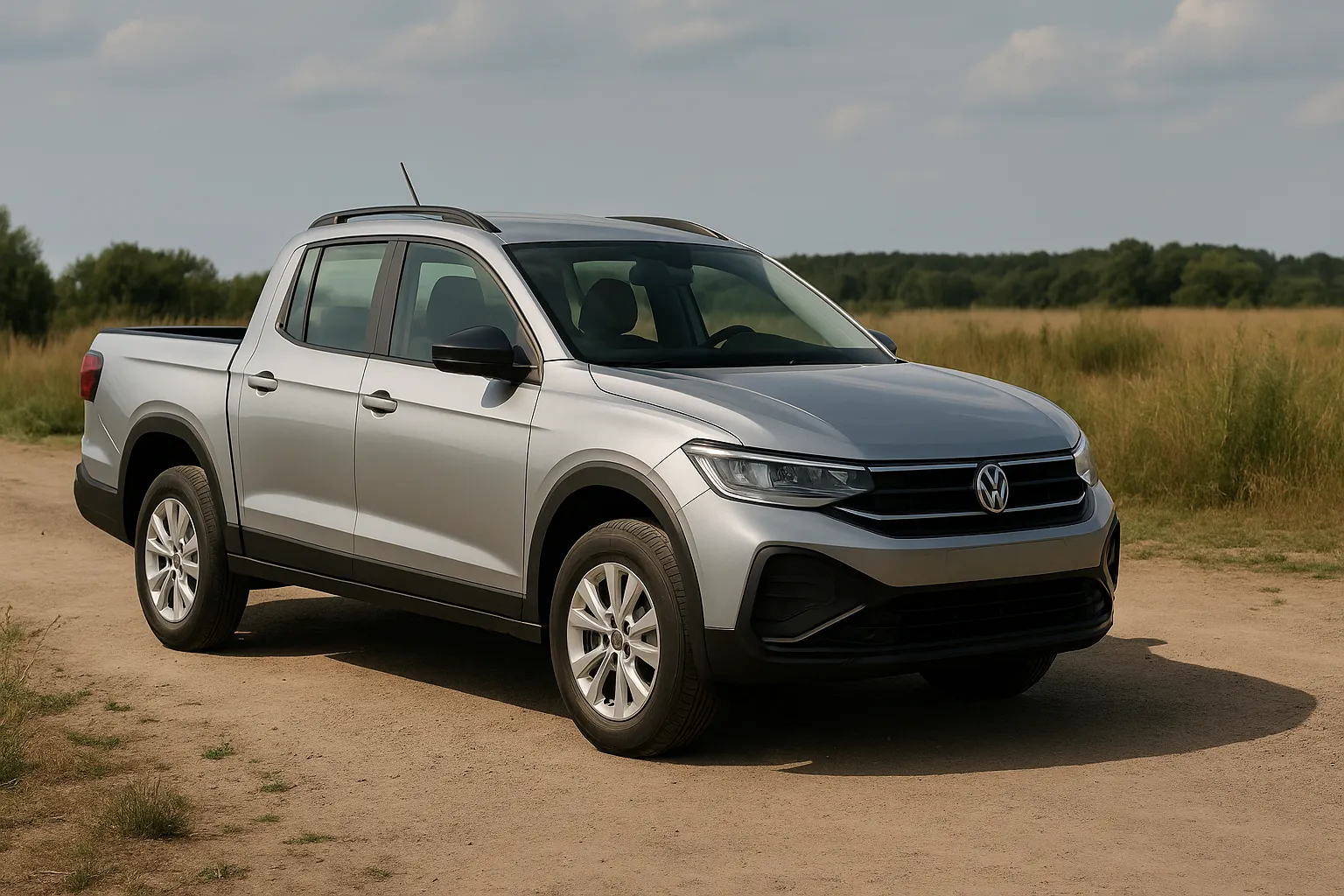
Volkswagen emphasizes a design for the Tukan that is intended to give the vehicle its own identity. That is more than a matter of taste. Pickups depend heavily on proportions: front end, cab, load bed, and rear overhang have to fit together. If an existing crossover is converted too obviously, the result often appears compromised.
A convincing pickup has to make its function visible. A usable side-wall height, robust bumpers, an easily accessible load bed, and sensibly placed tie-down points are more important to many customers than purely fashionable details. It remains open which of these practical elements the Tukan actually offers. But the announcement of a more independent design shows that Volkswagen apparently does not want to position the vehicle merely as a lifestyle variant of a familiar SUV.
For enthusiasts, that is exciting as well. In various regions, Volkswagen has repeatedly had smaller commercial-vehicle and pickup models in its lineup or shown them as studies. The Tukan fits into this tradition, but uses a modern Group architecture that enables a different technical basis than older, more simply constructed commercial vehicles.
Distinction From the Amarok
The Tukan is unlikely to take on the role of a large workhorse, as occupied by the Amarok in Volkswagen’s portfolio. The Amarok competes in a different size and payload class and is aimed more strongly at customers who expect pulling power, off-road capability, and robust continuous-duty performance. In terms of concept, the Tukan seems more like a smaller, more urban, and more efficient alternative.
This separation is important. If Volkswagen offers the Tukan as a more compact pickup based on passenger-car technology, the model can set different priorities: easy entry, car-like driving behavior, modern assistance systems, lower consumption, and a manageable overall length. For buyers in tight cities or regions with high fuel costs, that can be more attractive than a large pickup that takes up more space and energy in everyday use.
At the same time, Volkswagen must not undercut expectations of a pickup. A load bed that is only good for occasional trips to the DIY store would limit the potential. Hard everyday values will be decisive: How much weight may be carried on the load bed? How easy is the surface to clean? Is there a durable lining? How high is the towing capacity? Which suspension variants are planned? These answers are still pending.
Why the Tukan Is Relevant for the Industry
The Tukan shows how manufacturers are trying to use existing platforms more economically. Developing a completely new pickup chassis is expensive and only pays off with sufficient volume. An MQB offshoot can reduce development costs, increase parts commonality, and simplify production. For Volkswagen, this is particularly interesting because the Group already has a large technical ecosystem with MQB.
For the industry, the Tukan is therefore an example of a larger shift: the boundaries between passenger cars, SUVs, and commercial vehicles are becoming softer. Customers expect comfort and connectivity from the passenger-car sector, but still want practical body styles. A compact pickup can bundle these wishes if it is honestly engineered and does not merely serve a visual niche.
Regulatory and regional factors also play a role. In some markets, pickups are attractive for tax or practical reasons; in others, emissions regulations and city traffic make their spread more difficult. A lighter, more efficient pickup based on passenger-car technology could have advantages here. Whether the Tukan will be offered globally or is intended only for selected regions, however, remains open.
What Buyers Should Know Now
For the time being, interested buyers should regard the Tukan as a promising model, but one that cannot yet be fully assessed. The platform points to good everyday characteristics, but the most important pickup criteria are not yet known. Anyone towing a heavy trailer, regularly transporting large loads, or planning demanding off-road use should wait for concrete specifications.
Those, on the other hand, who are looking for a compact vehicle with an open load bed could find the Tukan an interesting alternative to an SUV, estate, or panel van. It will be especially interesting to see whether Volkswagen offers different cab and equipment variants and how robustly the load bed is designed.
The Tukan is therefore less a revolution than a strategically interesting new derivative. It shows that Volkswagen does not define the pickup only by size and maximum load capacity, but also by everyday usability, platform efficiency, and independent design. Whether this becomes a convincing production offering will only be decided with prices, technical data, and actual market availability.