Volkswagen crisis plan could affect four German plants
Volkswagen is facing a deep cost-cutting drive: A crisis plan under discussion envisages possible plant closures in Germany and the elimination of thousands of jobs. For buyers, employees, dealers and suppliers, this would be more than an internal cost measure.
Volkswagen is examining a cut that reaches far beyond the factory gates
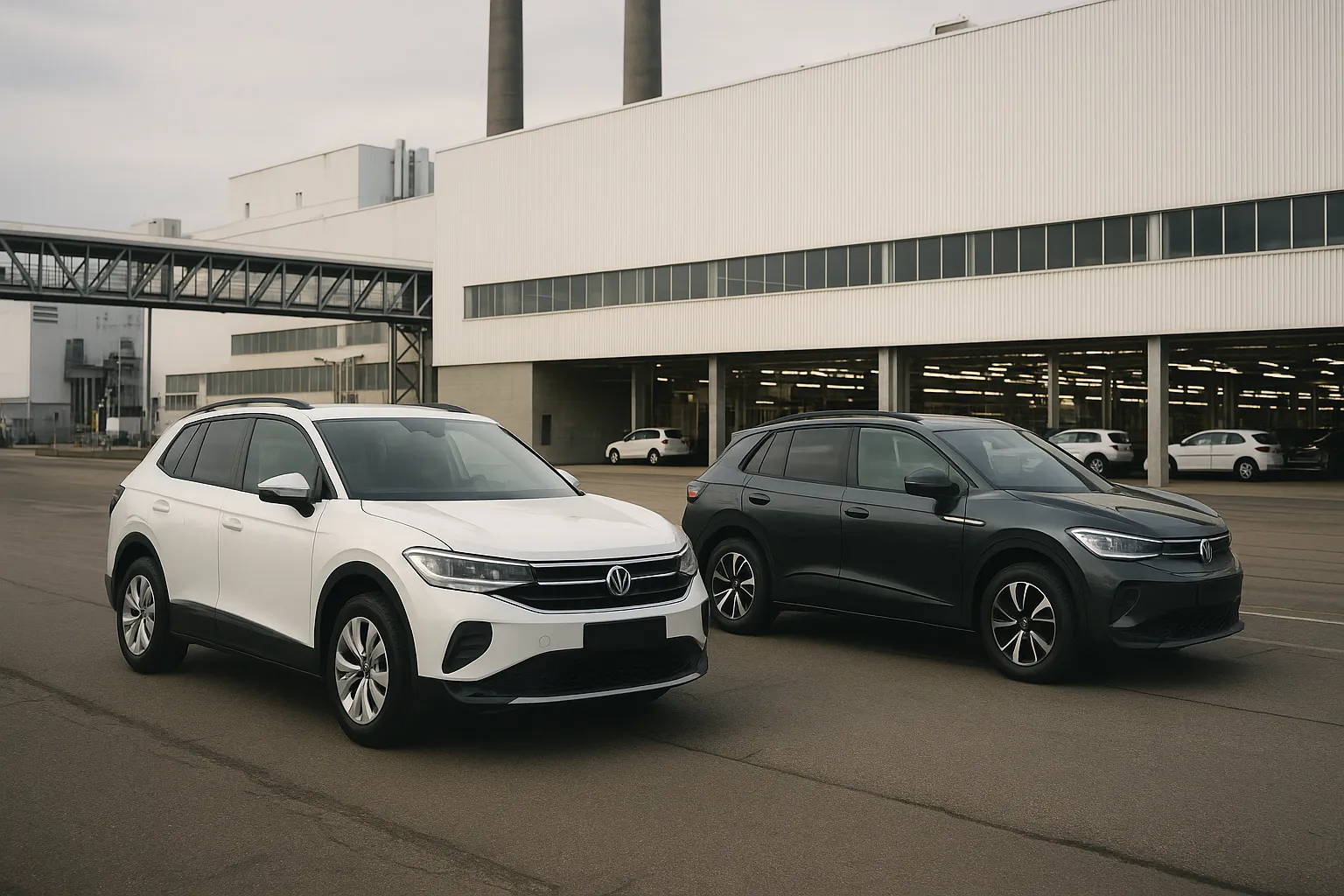
Volkswagen is facing one of the toughest cost-cutting programs in its recent history. A crisis plan under discussion could include the closure of up to four German production sites. In addition, the elimination of thousands of jobs is on the table. Which plants would be specifically affected, exactly how many jobs could be cut and over what period possible measures would be implemented is currently not conclusively clear.
This uncertainty alone shows how serious the situation has become for Europe’s largest carmaker. Plant closures in Germany would not be an ordinary efficiency step for Volkswagen, but a symbolically and economically severe intervention. The German manufacturing base has been the core of the group for decades, closely connected with employees, suppliers, works councils, municipalities and a model range extending from small cars to electric SUVs.
Why Volkswagen is under pressure
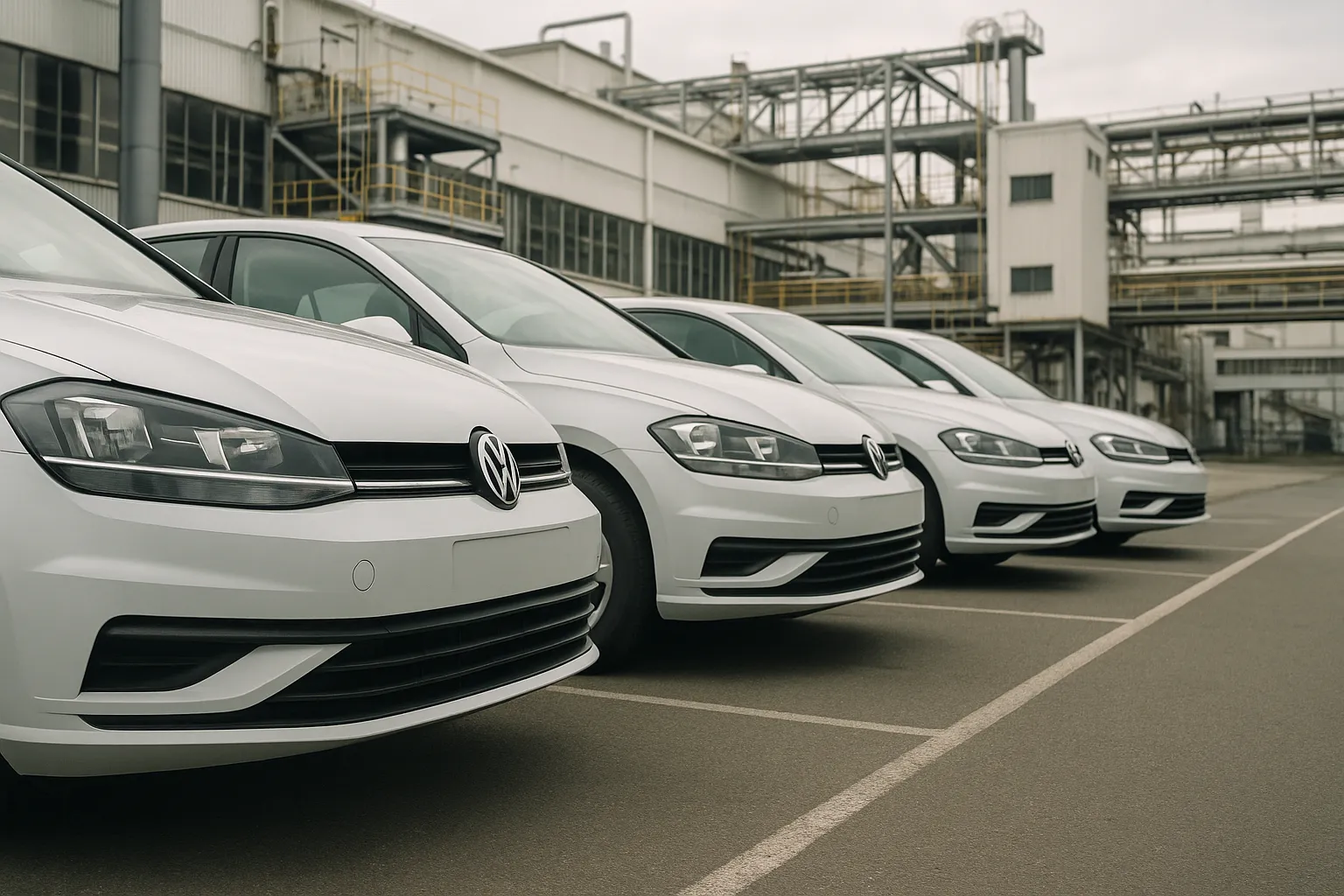
The issue of costs has been a central topic at Volkswagen for years. The group produces in a high-wage country, operates a dense network of sites and at the same time has to finance enormous investments in electric cars, software, battery technology and new production processes. At the same time, competition remains more intense: In China, domestic manufacturers are attacking with high development speed and aggressive prices, while in Europe the market for electric cars is fluctuating and many customers remain cautious in the face of high new-car prices.
This creates a double problem for Volkswagen. On the one hand, the group has to continue building combustion-engine vehicles profitably as long as they are in demand in many markets. On the other hand, VW must not lose touch in electric cars and digital vehicle technology. Managing both in parallel is expensive. If sales, margins or capacity utilization are not sufficient, plants with high fixed costs quickly come into focus.
A plan that calls four plants in Germany into question therefore indicates not only short-term pressure to save. It would also be a signal that Volkswagen is fundamentally reassessing its industrial structure: Which models will be built where in the future? How much capacity does the group need in Europe? And what role does Germany play in an auto industry that is becoming more globalized and electrified?
What could change for car buyers
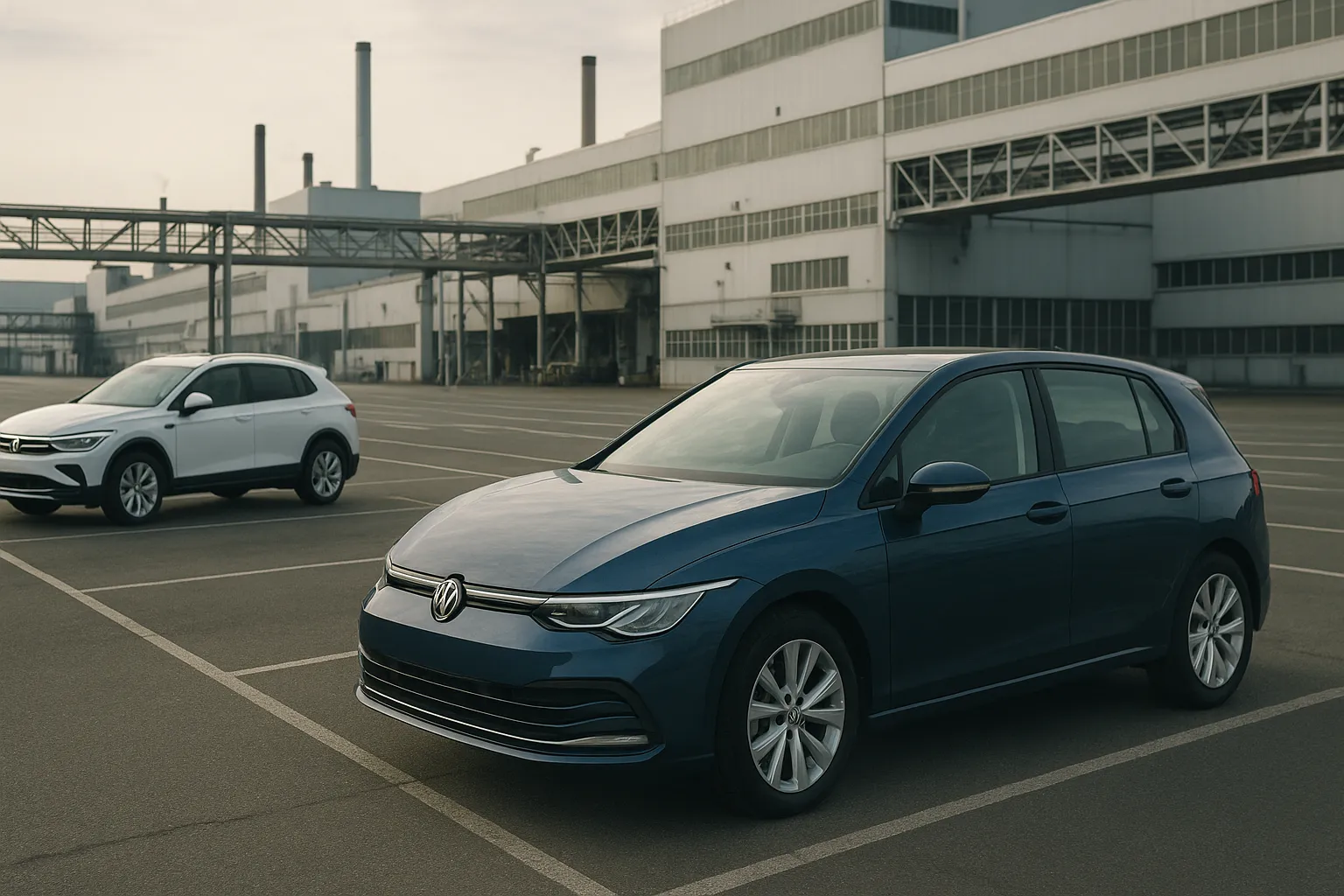
For new-car buyers, a possible plant closure is not automatically associated with empty showrooms. Volkswagen has an international production network, and model launches can in principle be relocated. Nevertheless, far-reaching restructuring can have noticeable consequences.
In the short term, uncertainty and internal replanning could affect delivery times, especially if individual models, components or production lines are reorganized. Dealers would then have to deal with fluctuating availability. For variants in high demand, this can lead to longer waiting times; for models that are being phased out or whose production is being relocated, clearance campaigns are also conceivable.
When it comes to price, the situation is less clear-cut. A cost-cutting drive is intended to lower costs and increase competitiveness. However, that does not automatically mean lower list prices. Car manufacturers often use efficiency gains to stabilize margins, finance investments or cushion price pressure in the market. For buyers, therefore, what matters less is the announcement of a cost program than the specific model policy: Which equipment lines remain available, which entry prices are maintained, and how attractive are financing or leasing offers?
Significance for owners and used-car customers
Anyone who already drives a Volkswagen does not need to immediately fear for service, warranty or spare parts because of a plant-closure plan under discussion. Maintenance and warranty coverage run through dealer and service networks, not through a single assembly plant. Legal and contractual obligations also do not disappear if a site is converted or closed.
Nevertheless, a major structural change can have an indirect effect. If models are removed from the lineup, production is relocated or platforms are consolidated more quickly, this can influence spare-parts flows and specialist knowledge in workshops in the long term. For volume models, this risk is generally lower because large production numbers and shared modular systems make supply easier. For rare variants or short-lived model series, owners should keep a closer eye on further developments.
For used-car buyers, there is also the question of residual value. Plant closures alone do not automatically depress the value of a model. Reliability, demand, operating costs, software maintenance and the future of the respective drive technology are decisive. If Volkswagen streamlines its model range, well-established models could even remain stable, while less sought-after niche variants come under greater pressure.
Why the news matters for enthusiasts
For car enthusiasts, Volkswagen is not just about balance sheets. Many sites stand for specific model series, regional identity and technical expertise. If plants disappear or lose responsibilities, the culture behind the cars changes. Development and manufacturing knowledge is built up over years, often across generations of employees. A cut of this magnitude can therefore also influence how quickly new vehicles reach series production maturity and how closely development and production work together.
At the same time, a consistent restructuring could help Volkswagen develop future models in a more focused way. Less complexity, better utilized plants and clearer platform strategies can make cars cheaper, more reliable and faster to produce. For fans of the brand, the decisive question would be whether Volkswagen is merely cutting costs through the savings drive or actually enabling better products.
Suppliers would be heavily affected
The supplier network is likely to react particularly sensitively. German Volkswagen plants are closely linked to regional supply chains. Seats, wiring harnesses, plastic parts, cast components, electronic modules, logistics services and machine maintenance depend on predictable production volumes. If a plant is closed, it is not only the manufacturer’s employees who lose their jobs. Smaller and medium-sized suppliers in the surrounding area can also lose orders or stop investments.
This is one reason why such plans are politically and socially explosive. An automobile plant is often an economic anchor for a region. It creates direct jobs and supports trades, transport, hospitality, real estate markets and municipal revenues. Four possible plant closures would therefore not only change the group structure, but also affect several local economic areas.
Much remains open
What is important is this: As things currently stand, the plan should not be understood as a definitively implemented measure. The figure of four possible plant closures and thousands of affected jobs describes the framework of a crisis scenario, not an already completed implementation. In a group like Volkswagen, negotiations with employee representatives, politicians, site managers and capital representatives play a central role. Measures can be softened, stretched out, changed or replaced by other savings contributions.
For customers, this means: Panic is not appropriate, but attention is. Anyone who wants to buy a new car in the short term should carefully check delivery dates, model availability and price promotions. Owners should continue to carry out maintenance and software updates as usual and should not let site debates alone unsettle them. Industry observers, in turn, will judge whether Volkswagen can turn cost pressure into a viable strategy for the coming years.
The possible cut shows how deeply the transformation of the auto industry has now penetrated the traditional core countries. Electromobility, global competition and high fixed costs are no longer abstract topics for the future. They determine where cars are built, which models buyers get and how stable Europe’s industrial base remains.