Toyota Highlander EV delayed again
Toyota is postponing the planned electric Highlander once again. The manufacturer cites final product tuning as the reason – not weakening EV demand.
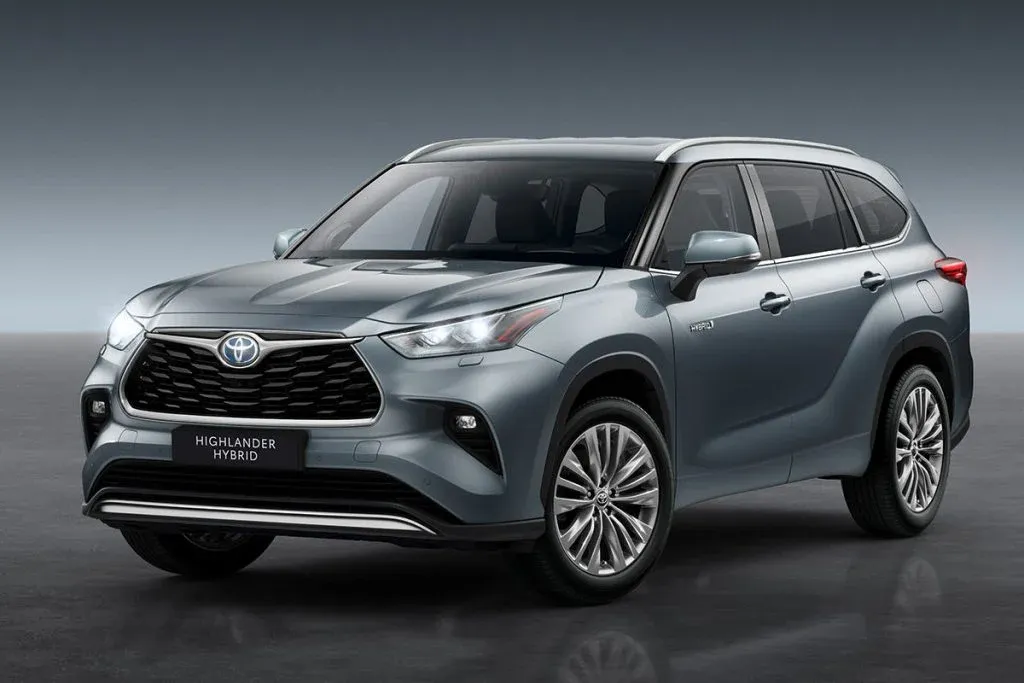
Toyota is postponing the planned Highlander EV again. The electric SUV with three rows of seats is therefore set to arrive later than previously expected. A specific new date is currently not confirmed. What matters, however, is the explanation: Toyota attributes the delay to final product tuning and does not present it as a reaction to weaker demand for electric cars.
At first, that sounds like an internal planning note, but it has noticeable significance. In several markets, the Highlander is one of Toyota's well-known family SUVs. A purely electric offshoot would compete precisely in the segment where many buyers are open to electric drive but do not want to compromise on space, range, towing capacity, everyday usability, and price. When such a model is delayed, it affects not just a single model line, but Toyota's position in an increasingly important part of the EV market.
Why the delay stands out
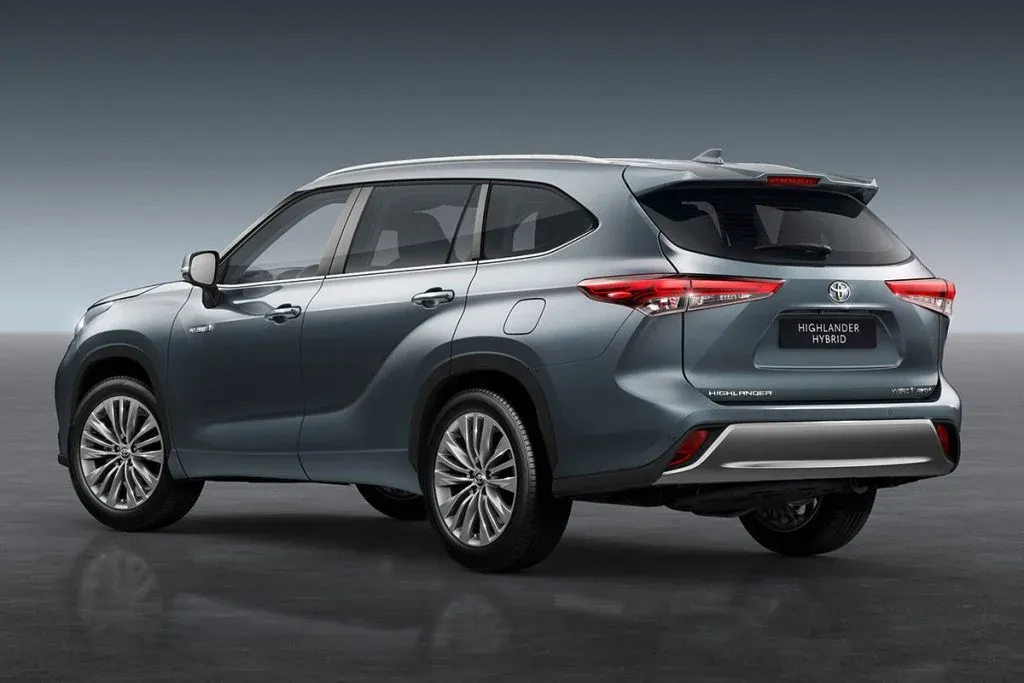
Toyota has long taken a different path from many competitors. While some manufacturers announced a broad range of pure electric cars early on, Toyota focused heavily on hybrid drives, plug-in hybrids, and gradual electrification. This strategy was commercially successful because Toyota hybrids are regarded in many markets as economical, reliable, and relatively uncomplicated. At the same time, pressure is growing to offer more choice in the field of battery-electric vehicles as well.
A Highlander EV would not be a niche model. Large family SUVs with three rows of seats are particularly in demand in North America, but in other regions too they stand for high margins and strong brand impact. In this environment, traditional manufacturers and new EV providers are competing for customers who want to use an electric vehicle not as a second car, but as the main car for family, long-distance travel, and leisure.
The fact that Toyota is adjusting the timetable again shows how demanding this segment is. In a small city EV, range, charging performance, and price can be balanced differently than in a large SUV that is meant to offer seven seats, plenty of luggage space, and confident driving behavior. A heavy vehicle needs a large battery, an efficient platform, robust thermal management systems, and sufficient charging performance so that it does not feel impractical in everyday use. Any weakness carries more weight here.
Product finalization instead of a demand problem
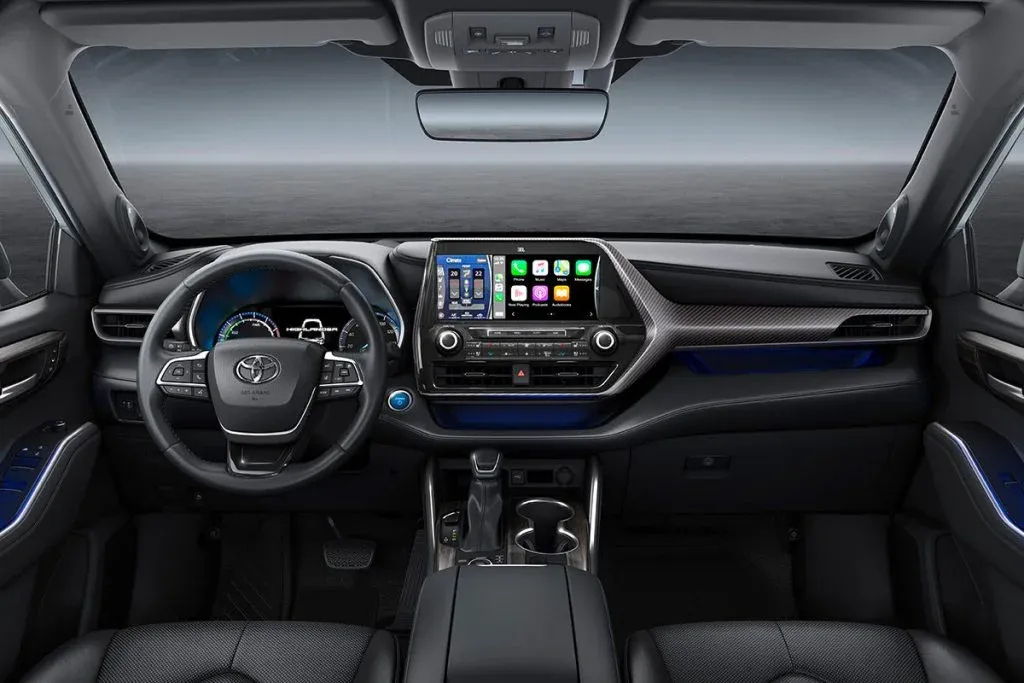
Toyota explains the delay with product finalization. That can include many things: technical validation, software tuning, supply chain planning, production processes, quality testing, or the adjustment of individual specifications. Especially with electric cars, the final development phases are complex because the battery, power electronics, charging functions, assistance systems, and infotainment have to work together more closely than in many conventional models.
Toyota's classification that the delay is not being attributed to fundamentally too-weak EV demand is crucial. That is noteworthy because the electric car market is currently developing very differently depending on the region. In some countries, sales continue to grow, while in others high prices, changed subsidy conditions, concerns about charging infrastructure, or economic uncertainty are slowing the pace. Manufacturers therefore have to manage their production plans more carefully than in the early boom years.
Nevertheless, it would be too simplistic to automatically interpret every EV delay as a sign of a failing segment. Large electric SUVs are expensive to develop and have to be convincing at market launch. For Toyota, a brand with a strong image for quality and reliability, a later, more mature launch may make more strategic sense than an early launch with obvious weaknesses.
What buyers should know now
For potential buyers, the postponement mainly means this: anyone looking in the short term for an electric Toyota SUV with three rows of seats will have to keep waiting or look at other brands. This particularly affects families who today want to switch from a Highlander Hybrid, a larger combustion-engine SUV, or a minivan into an electric car.
The classic Highlander and related Toyota SUVs will therefore remain the more obvious options within the brand for longer, especially as hybrid models. For many customers, that is not a problem, because Toyota's hybrid drives offer low everyday consumption without the obligation to charge. However, those who consistently prioritize locally emissions-free driving, home charging, and the lower maintenance complexity of a pure EV will have less choice in Toyota's portfolio due to the delay.
Residual value and purchase decisions may also be affected. Some customers deliberately wait for an announced electric SUV instead of buying a new hybrid or combustion-engine model now. If the launch becomes less clear, the likelihood increases that these buyers will either keep their current car longer or switch to the competition. This is also relevant for dealers, because an electric Highlander could potentially attract a lot of walk-in customers.
The role in the competition
The segment of large electric SUVs is already well populated and is becoming more crowded. Buyers compare not only brand image, but also real-world range, charging speed, interior concept, controls, warranty conditions, and price. Toyota can score points here with recognition, its dealer network, and trust. At the same time, a later entry must not appear technically outdated.
A Highlander EV would therefore have to do more than simply transfer the name of a well-known model line to an electric car. It would have to show that Toyota can offer a large battery SUV with the same everyday dependability that many customers expect from the brand's hybrids. This includes reliable software, consistent charging planning, a well-usable interior, and understandable costs.
The delay can help Toyota refine precisely these points. But it also carries risks. The longer a model takes to arrive, the more time competitors have to improve their products, adjust prices, and build customer loyalty. In the family segment in particular, buyers are often loyal to brands, but not endlessly patient.
What remains open
It is currently unclear when the Highlander EV will actually launch and in which markets it will be offered first. Technical data such as battery size, range, charging performance, seating configuration, towing capacity, and price are also still open. Without this information, it is not yet possible to assess whether Toyota is planning more of a volume model, a family SUV close to the premium segment, or a particularly efficient alternative to large electric SUVs.
Only one thing is certain: the renewed delay does not make Toyota's next step in the EV business any less important. On the contrary. An electric Highlander could become a key model for the brand because it combines a familiar SUV concept with a drive system that Toyota will have to expand more strongly in the coming years.
For the industry, the news is another example of the fact that electrification does not depend only on demand curves. Development maturity, production quality, platform strategy, and the courage to bring a model only when it can withstand everyday expectations are also decisive. For buyers, the wait is annoying, but it may make sense in the end if Toyota uses the additional time to put a more convincing electric SUV on the road.