Rimac takes full control of Bugatti: Porsche exits its stake
Rimac will control Bugatti on its own in the future. For customers, collectors and the industry, the move is important because it makes responsibilities around future hypercars clearer.
Rimac tightens its control over Bugatti
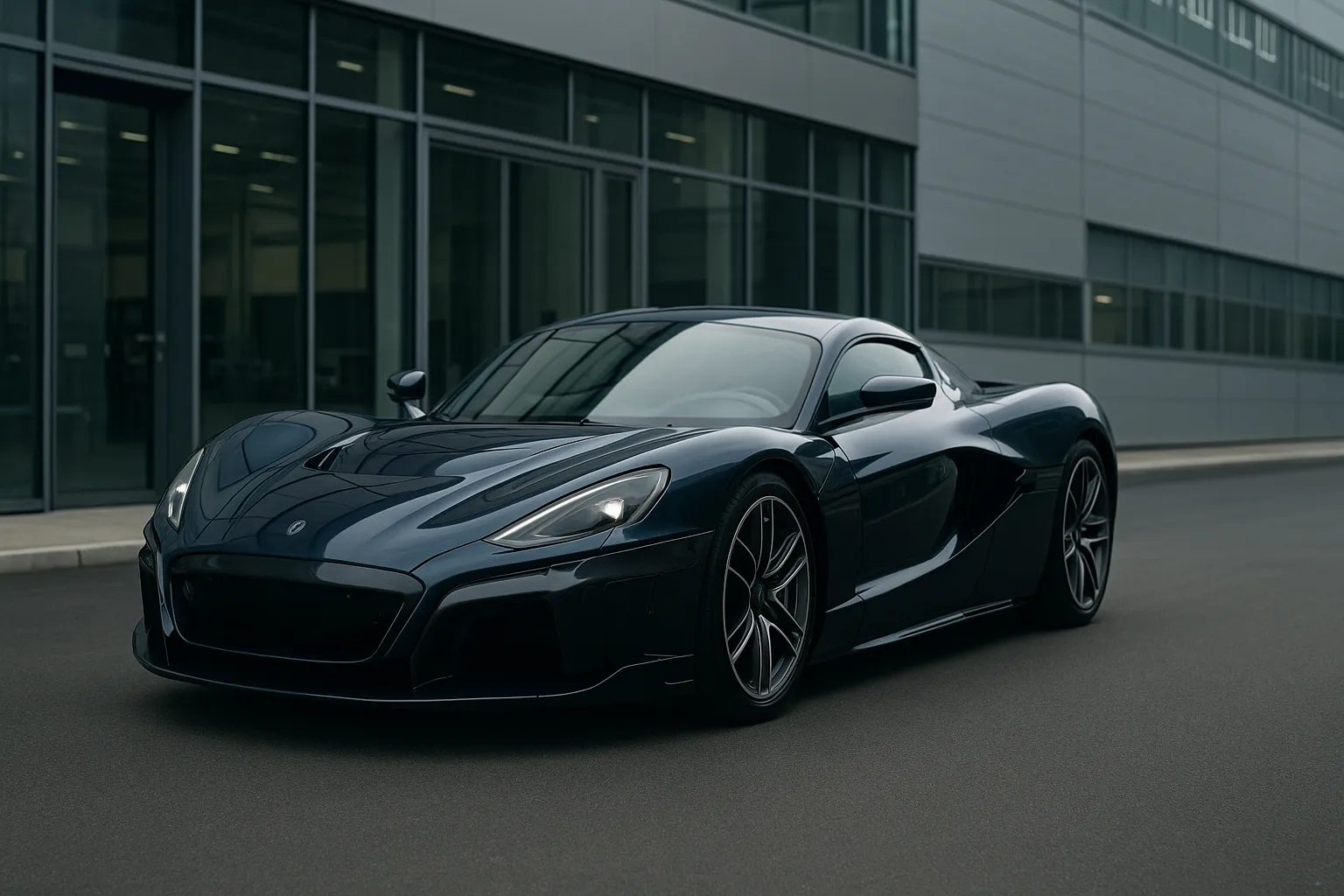
Rimac is taking full control of Bugatti. Porsche is giving up its stake in the previous structure, meaning the Croatian technology and hypercar group will in future exercise sole control over the French luxury brand. At the same time, the management is being reorganized. This brings to an end a chapter in which Bugatti was under the joint control of Rimac and Porsche.
For most drivers, Bugatti remains a brand from another world: extremely expensive, strictly limited and technically far beyond normal production vehicles. Nevertheless, this ownership shift is more than a footnote from the billionaire segment. For decades, Bugatti has served as a technical showcase for performance, materials engineering, aerodynamics and brand staging. Rimac, in turn, stands for high-performance electric drives, battery technology and a young engineering culture that has made an international name for itself with the Nevera. If these two worlds are now brought together under clearer control, it could have an impact on product planning, powertrain strategy and the role of classic luxury brands in the age of electrification.
From partnership to sole responsibility
The previous structure combined several interests: Bugatti brought a long tradition, an exclusive clientele and a strong brand; Rimac contributed development expertise for high-performance electric drives; Porsche, with its experience as a sports car manufacturer and industrial partner, provided additional stability. This constellation was intended to make Bugatti’s transition into a new technical era easier without abruptly changing the brand’s identity.
With Porsche’s exit from the Bugatti stake, responsibility is now becoming clearer. Decisions on model cycles, investments, technical architecture and brand positioning will in future lie more firmly with Rimac. That can speed up processes because fewer shareholders with direct rights are involved in the Bugatti structure. But it also increases the pressure on Rimac to meet the high expectations of Bugatti customers.
Trust is crucial in this segment in particular. Buyers are not just purchasing a car, but a long-term promise of ownership and service. Spare parts supply, value retention, factory support, special requests and collector care count almost as much at Bugatti as acceleration figures. A clear ownership structure can help here, provided it is linked to stable leadership and a comprehensible product strategy.
What does this mean for Bugatti customers?

For existing owners, little is likely to change in the short term in terms of practical support. Bugatti vehicles such as the Veyron and Chiron have long been part of a highly specialized ecosystem of factory support, certified service partners and individual customer contacts. These structures cannot simply be shifted at will without risking trust. Continuity is therefore central to the brand.
The more important question is how the new control will affect future vehicles. With the Tourbillon, Bugatti has already presented the successor to the Chiron era. The model does not rely on a purely electric drive, but on a highly complex hybrid powertrain with a V16 combustion engine and electric assistance. In doing so, Bugatti is deliberately sticking to an emotional, mechanically shaped interpretation of the hypercar, while combining it with modern electrification.
This decision shows that Rimac is not simply turning Bugatti into an electric sister to the Nevera. That is important for many collectors. Bugatti customers expect exclusivity, craftsmanship, sound, presence and a certain historical line. A purely rational electric hypercar would fit Rimac’s technical competence, but could miss Bugatti’s brand identity. The Tourbillon indicates that Rimac wants to position the French brand independently: not as an electric experiment, but as a luxury hypercar manufacturer with tailor-made technology.
Why Porsche is exiting
Porsche’s exit from the Bugatti stake can also be read in the broader industry context. Porsche has to invest enormous resources in its own model lines, software, battery technology, combustion-engine homologation and global market requirements. At the same time, the luxury hypercar segment is small, capital-intensive and heavily dependent on a few very expensive products.
A withdrawal from the direct Bugatti stake does not automatically mean turning away from high-performance technology or from Rimac as a technology player. The exact ownership structure is decisive: the current step concerns control over Bugatti. Other industrial relationships and possible technical collaborations are not necessarily excluded by this, provided they continue to make contractual or strategic sense.
For Porsche, the move may mean focusing capital and management attention more strongly on its core business. For Rimac, by contrast, it means more freedom, but also more responsibility. Bugatti is not a start-up brand that easily forgives mistakes. Every product decision is watched by customers, collectors and competitors.
Rimac gains more room to maneuver
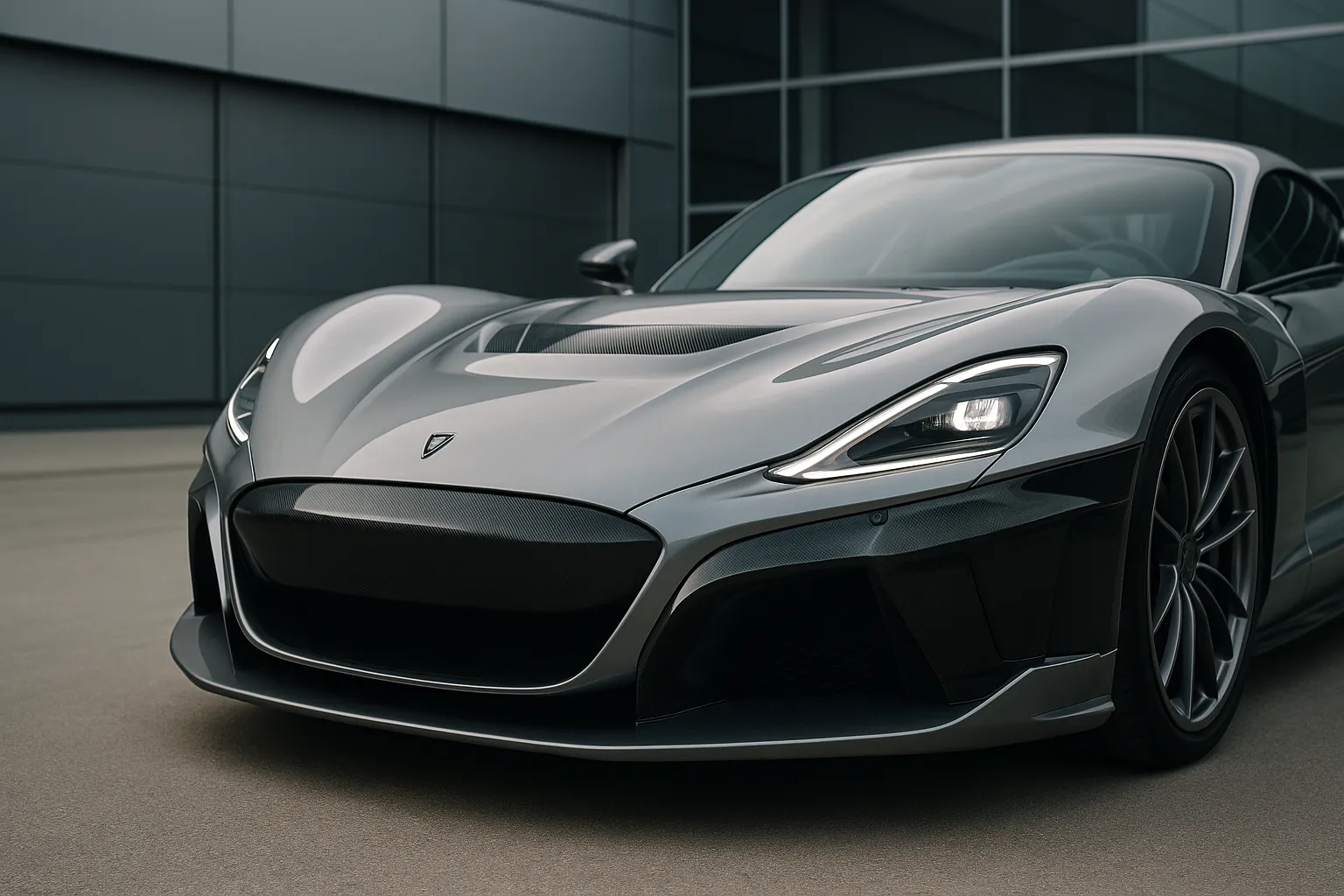
Rimac has developed from a small electric sports car project into one of the best-known names in electric high-performance technology. The Nevera demonstrated how far battery technology, power electronics and torque vectoring can be pushed in an extreme road vehicle. At the same time, Rimac Technologies works as a supplier and development partner for other manufacturers.
Full control over Bugatti gives Rimac the opportunity to interlink technical competence and a luxury brand more closely. That does not have to mean that every Bugatti will be electric in the future. A differentiated approach is more likely: Bugatti can use electrification where it improves performance, response and drivability without diluting the character of the brand. Rimac can also contribute digital development processes, battery know-how and high-voltage expertise, while Bugatti continues to focus on exclusivity, materials and customer experience.
For enthusiasts, this balance is precisely what makes it exciting. The question is not only whether a future Bugatti accelerates faster than its predecessor. More interesting is whether Rimac can define a new form of hypercar: technically modern, but not sterile; electrified, but not interchangeable; exclusive, but credibly developed.
Signal for the luxury car industry
The change of ownership shows how strongly the balance of power in the automotive industry is shifting. In the past, brands like Bugatti depended on large corporations to shoulder development costs, homologation and global sales structures. Today, specialized technology companies can play a larger role if they have capital, software expertise and their own powertrain technology.
This is also relevant for other manufacturers. In the upper market segment, low volumes are increasingly being combined with high technical complexity. Hybrid and electric drives, carbon structures, active aerodynamics, over-the-air software and individual equipment drive up effort and costs. Anyone who wants to succeed in this environment needs not only tradition, but also fast development and clear decision-making paths.
Under Rimac, Bugatti therefore becomes a test case: Can a young high-technology group lead one of the world’s most tradition-rich luxury car brands without damaging its core? If so, the model could set a precedent – not necessarily through direct takeovers, but through closer links between specialists in electrification and exclusive performance brands.
What buyers and observers should watch now
In the short term, three points are crucial. First: Will the timetable for future Bugatti models remain stable? Second: Will the new management secure continuity in service, customer care and brand presentation? Third: How visible will Rimac technology be in upcoming vehicles without turning Bugatti into a pure technology demonstration?
For potential buyers, the ownership news alone matters less than the reliability that follows from it. Anyone spending several million euros on a vehicle expects long-term support and a stable brand story. For owners of older Bugatti models, the issue is value retention and proximity to the factory. For enthusiasts, the question is whether the Tourbillon and later models can manage the balancing act between combustion-engine fascination and an electrified future.
The full takeover by Rimac makes Bugatti’s course clearer, but not automatically easier. The brand must continue to deliver what it has promised since the Veyron: technical extremes, handcrafted exclusivity and an aura that goes beyond mere numbers. The difference now is that Rimac has to stand behind this without Porsche as a direct Bugatti co-owner.