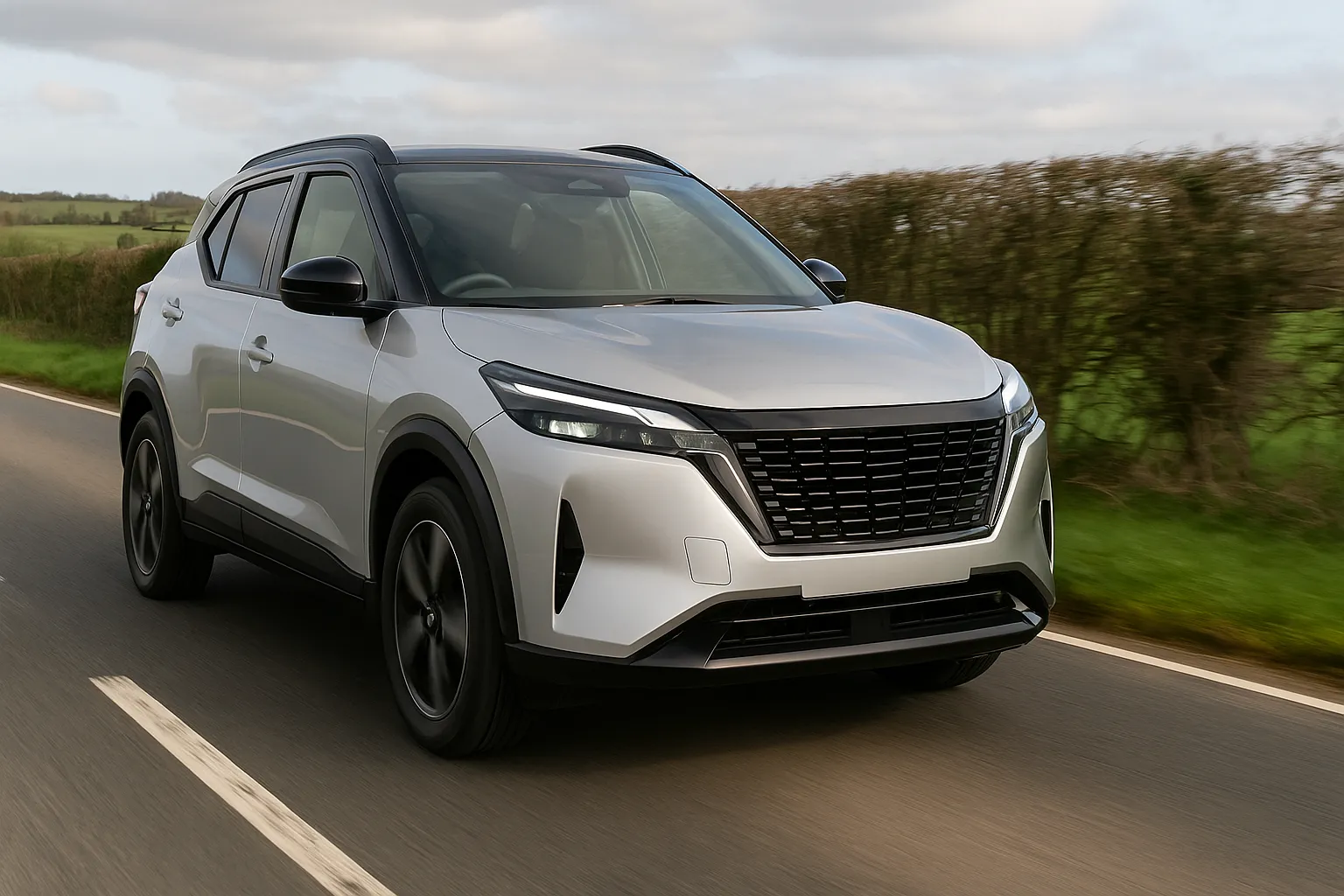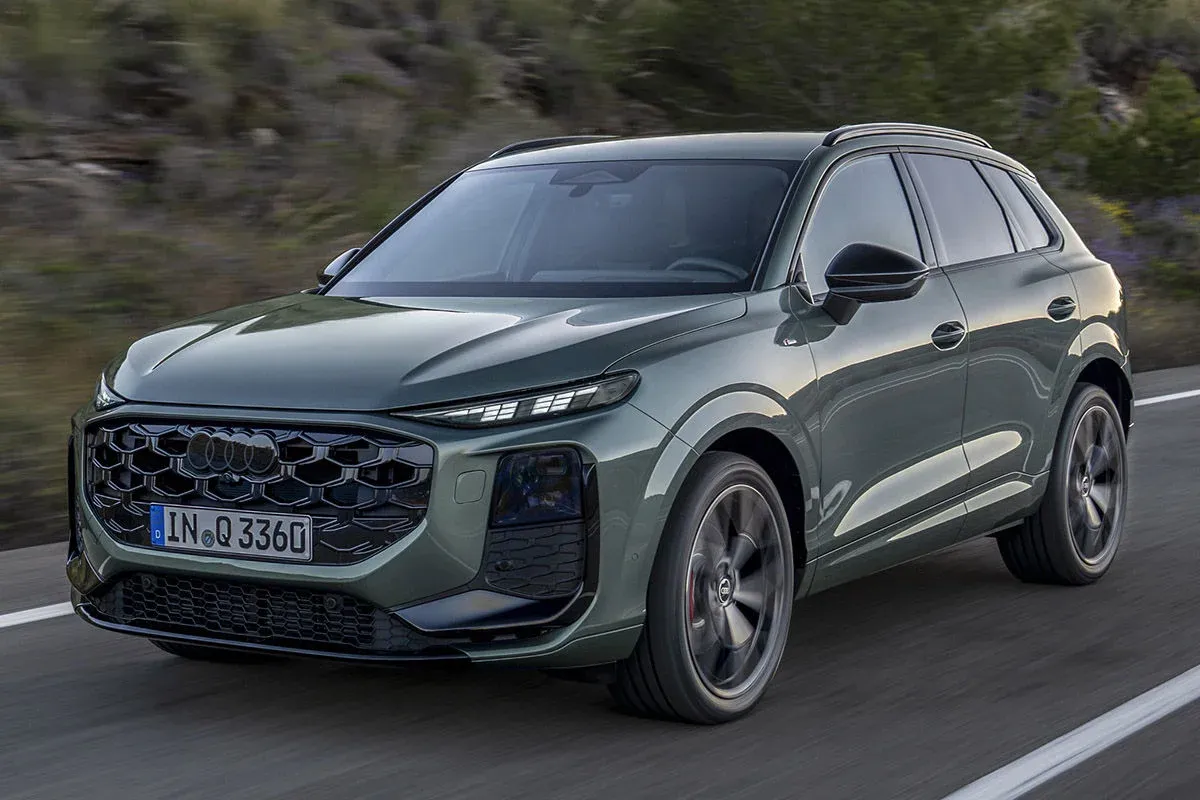
Honda ranks ahead of Mazda and Nissan for long-term durability
A new analysis of mileage up to 250,000 miles sees Honda clearly ahead among three major Japanese brands. For used-car buyers, this is an important indicator, but not a substitute for a thorough vehicle inspection.
What the analysis shows
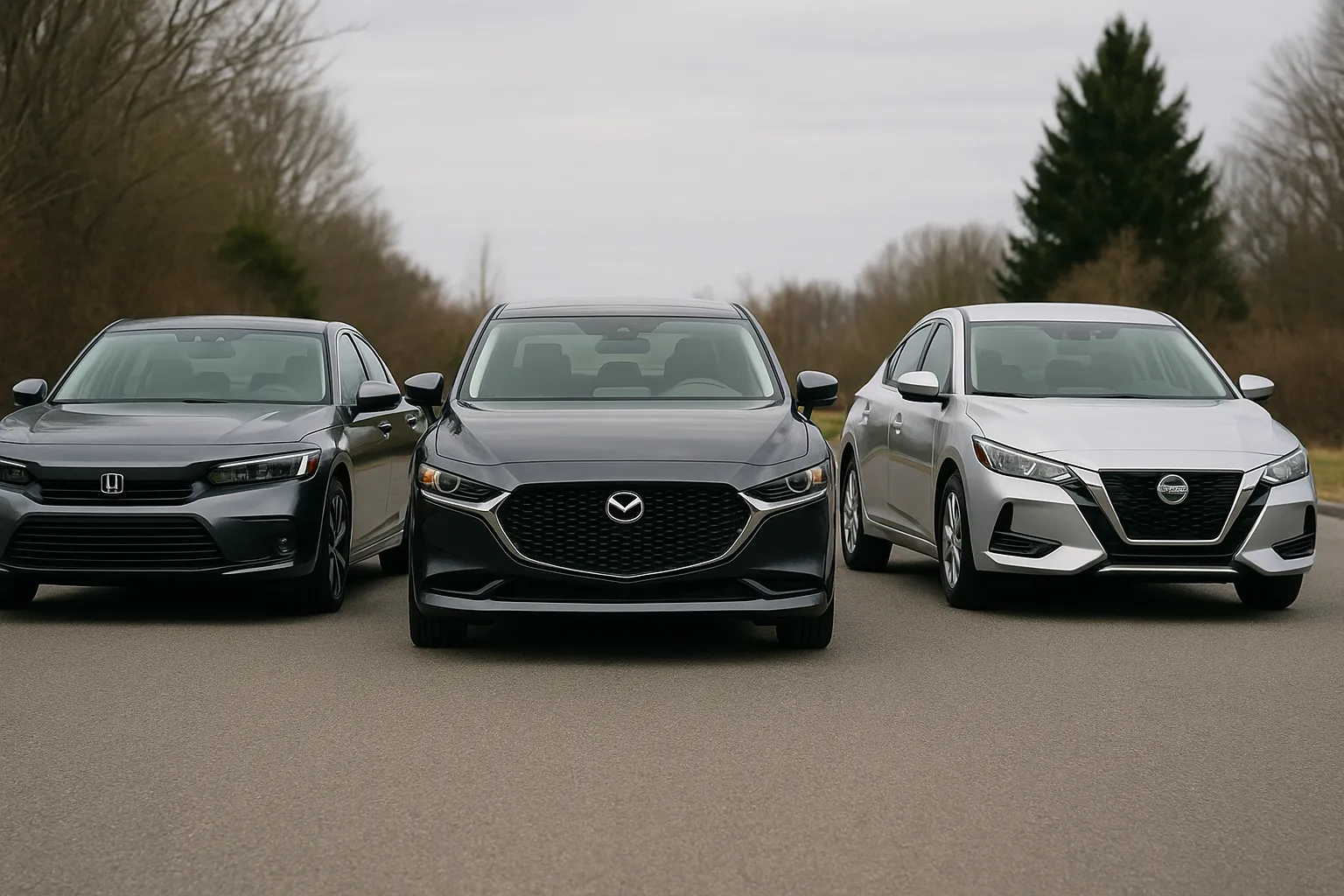
A new durability analysis compares Honda, Mazda and Nissan according to how well vehicles from these brands achieve very high mileages. The central benchmark is 250,000 miles, or around 402,000 kilometers. Within this comparison, Honda performs significantly better than Mazda and Nissan.
For car buyers, this is more than a brand ranking. Anyone who wants to drive a used car for a long time calculates not only the purchase price, fuel consumption and insurance, but also the likelihood of expensive repairs as the vehicle ages. A brand whose vehicles more often reach extremely high mileage can therefore have a real advantage for long-term owners, commuters and families with high annual mileage.
But it is important to note: Such an analysis describes probabilities, not guarantees. A well-maintained Mazda can last longer than a neglected Honda. A Nissan with a complete maintenance history can be a better buy than a Honda with accident damage, maintenance gaps or a problematic previous-owner history.
Why 250,000 miles is a tough benchmark

250,000 miles corresponds to more than 400,000 kilometers. In this range, many cars have long since moved beyond regular first or second ownership. Wear parts have been replaced several times, interiors show signs of use, suspensions can be worn out, and major assemblies such as the transmission, air conditioning system or drivetrain components become cost risks.
A vehicle that reaches this mileage has usually met several conditions: It was serviced regularly, its design was robust enough, spare parts remained available, and repairs made economic sense. That is exactly why a brand with many cars in this mileage class is interesting for the market. It signals not only technical durability, but also owners who are willing to keep these vehicles alive for a long time.
Honda has benefited for years from a reputation for long-lasting gasoline engines, simple operation and comparatively conservative technology in many volume models. Civic, Accord, CR-V and Pilot are regarded in many markets as vehicles that can reach very high mileages with good care. This reputation is supported by the result of the comparison.
Mazda and Nissan: Not automatically a bad choice

The fact that Honda leads in this comparison does not mean that Mazda or Nissan are fundamentally unreliable. In recent years, Mazda has strongly positioned itself through driving dynamics, efficient Skyactiv powertrains and higher-quality interiors. Many Mazda3, Mazda6, CX-5 and MX-5 models are valued by owners for their driving feel and solid engineering.
Mazda's challenge in a 250,000-mile assessment can also be partly related to market share and model mix. If fewer vehicles of a brand were sold in large numbers over many years, fewer examples will also appear in extremely high mileage ranges. In addition, the statistics depend on which models most frequently see long-distance use.
Nissan is a more complex case. The brand has built numerous robust models, including pickups, SUVs and older sedans. At the same time, certain model series with continuously variable CVT transmissions have burdened the brand's reputation among long-term buyers. Not every Nissan with a CVT is automatically problematic, but with used Altima, Rogue, Sentra or Versa models, a precise check of the transmission history is particularly important.
What buyers should take from this
For used-car buyers, the comparison provides useful guidance: Anyone looking for the highest probability of long-term durability should shortlist Honda. Models with complete maintenance records, a traceable history and no conspicuous modifications are particularly interesting. High mileage is not necessarily a reason to rule out a well-maintained Honda, as long as condition and price match.
Nevertheless, no one should buy based only on the brand logo. The specific model series, engine, transmission, model year and maintenance condition are decisive. For every used car, a test drive, a look at service documents, a check for rust, leaks and accident damage, and ideally an independent inspection make sense.
An example: A Honda CR-V with regularly changed oil, documented brakes, fresh tires and a clean-shifting transmission can be a better buy than a significantly newer car with no history. Conversely, a one-owner Mazda CX-5 with documented maintenance and moderate mileage can be more attractive than a Honda that has long been neglected.
Significance for owners
For current Honda owners, the result is a positive signal for residual value. Vehicles with a good long-term reputation are often easier to sell, especially if the market has confidence in the engine and drivetrain. But this only applies if the condition is right. A complete service booklet, invoices for maintenance and repairs, and a traceable care history increase credibility when selling.
Mazda and Nissan owners should not understand the analysis as a judgment on their individual car. Anyone who wants to keep their vehicle for a long time can influence a lot: do not overdue oil changes, observe manufacturer specifications for coolant and transmission oil, have unusual noises checked early and take rust protection seriously. For older Nissan models with CVT, preventive maintenance and a sensitive driving style can be particularly important.
Significance for the industry
For manufacturers, long-term durability is a strategic issue. In times of high new-car prices, many customers keep their vehicles longer. Anyone who credibly builds long-lasting cars strengthens not only new-car sales, but also residual values and brand loyalty.
Honda can capitalize on such a result if new models confirm the reputation. Mazda must continue to show that the increased sense of quality does not come at the expense of affordable running costs. Nissan, in turn, has been working for years to stabilize trust in quality and drivetrain technology. Especially in the used-car market, the past has a long aftereffect.
The right conclusion
The analysis places Honda ahead of Mazda and Nissan when it comes to extreme mileage. For buyers with long-term plans, this is relevant because 250,000 miles represents a demanding benchmark. Nevertheless, brand statistics do not replace an individual inspection.
The best purchase decision arises from two levels: a brand and model series with a good reputation, and a specific vehicle that confirms this reputation through maintenance, condition and history. Honda has the advantage in this comparison. In the end, however, the better used car is not always on paper, but on the lift.