Opel and Vauxhall STX Concept: Electric estate as a preview of the next Astra
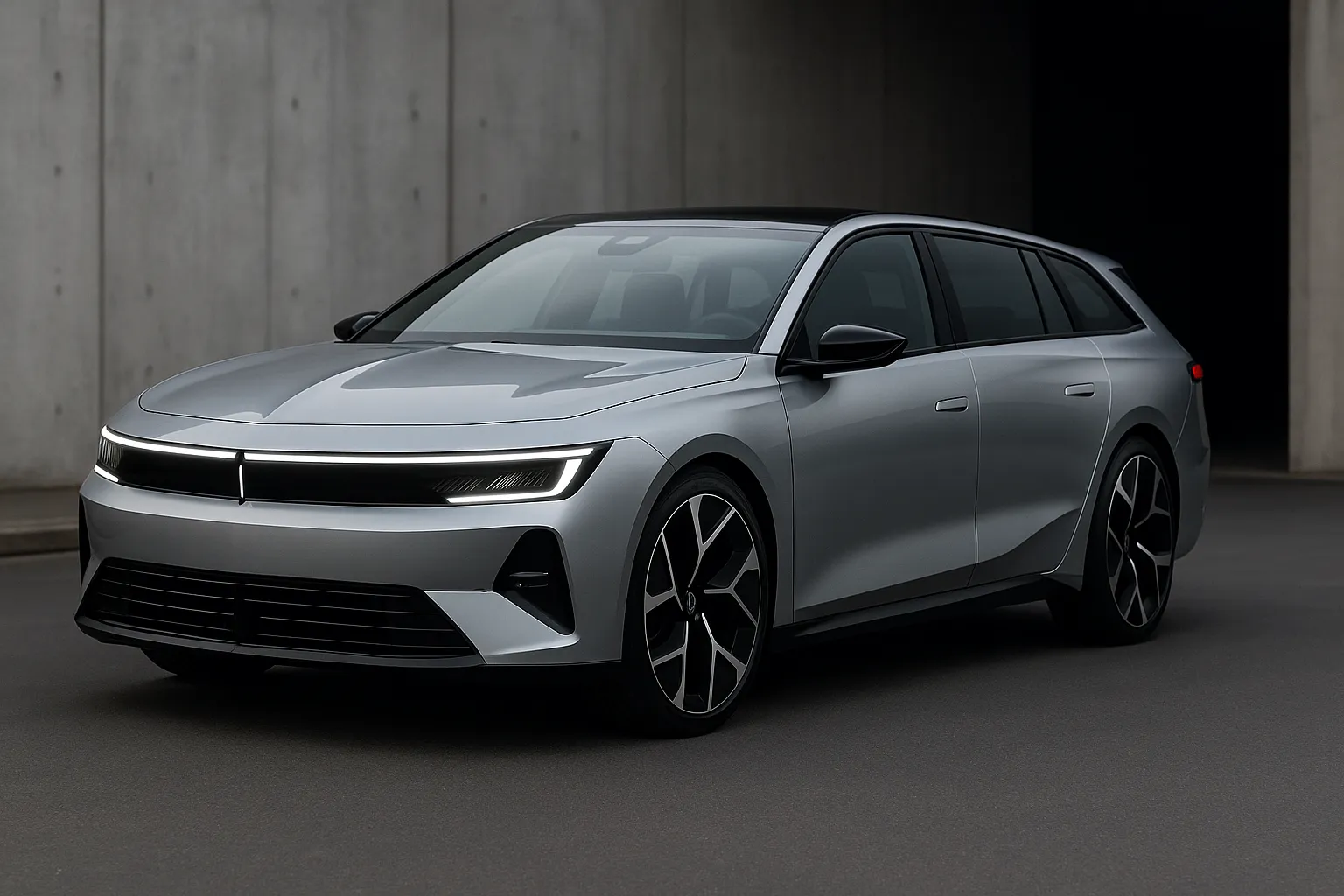
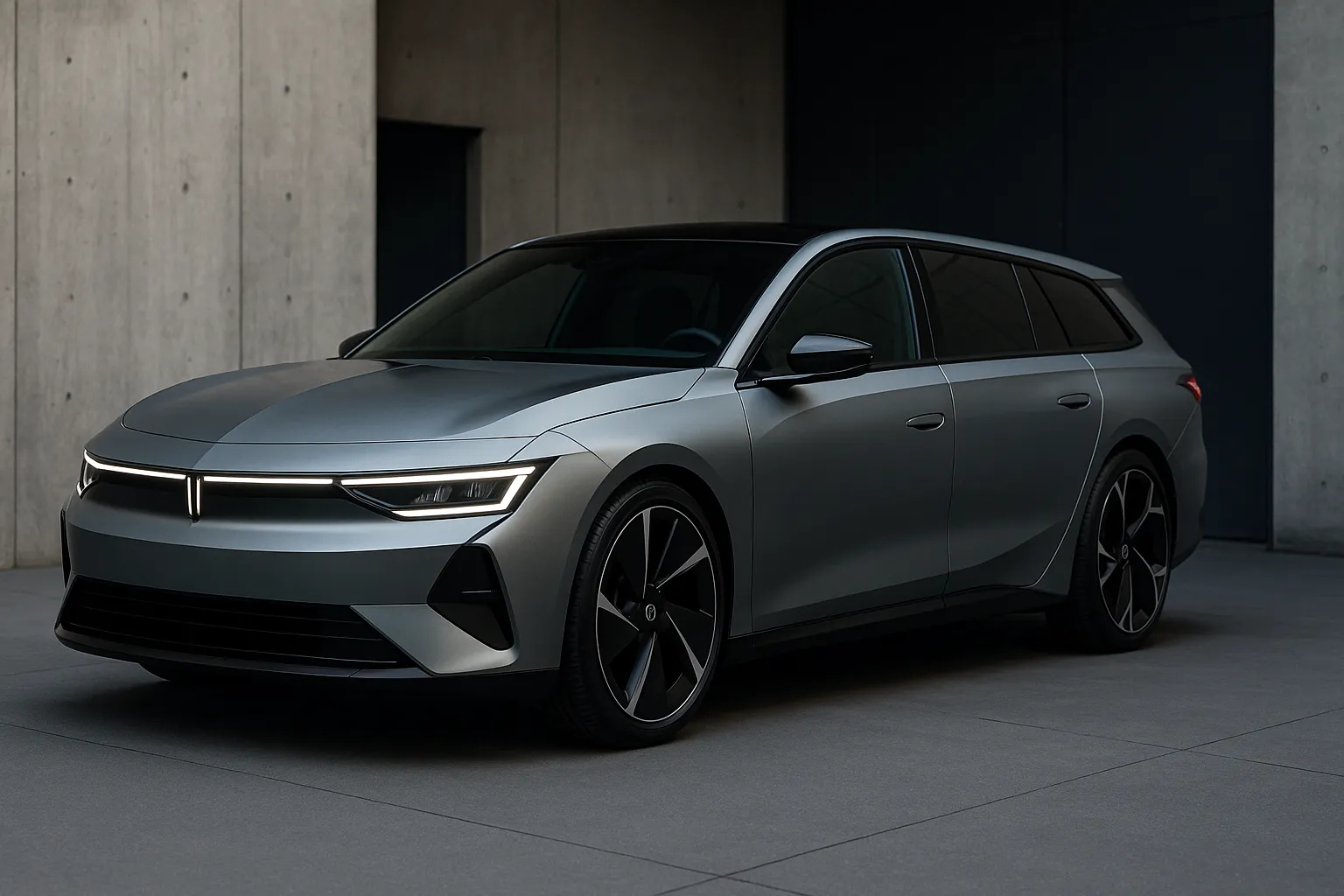
The STX Concept shows how Opel and Vauxhall want to bring the classic estate into the electric age: lower, more aerodynamic and more emotional than before.
An estate statement in an SUV-dominated era
With the STX Concept, Opel and Vauxhall are providing a preview of an upcoming electric estate. The show car is designed as a design and technology preview and hints at where the Astra Sports Tourer could develop in its next generation. For Opel on the European mainland and Vauxhall in the United Kingdom, this is more than a styling exercise: the classic estate remains important in many markets, but it has to redefine itself in the electric age.
While many manufacturers are concentrating their development budgets on SUVs and crossovers, Stellantis, with its sister brands Opel and Vauxhall, is visibly sticking with the lower family car. The STX Concept is intended to occupy exactly this gap: more utility than a sedan, less frontal area than an SUV and an appearance that is no longer meant to seem merely sensible.
What the STX Concept shows
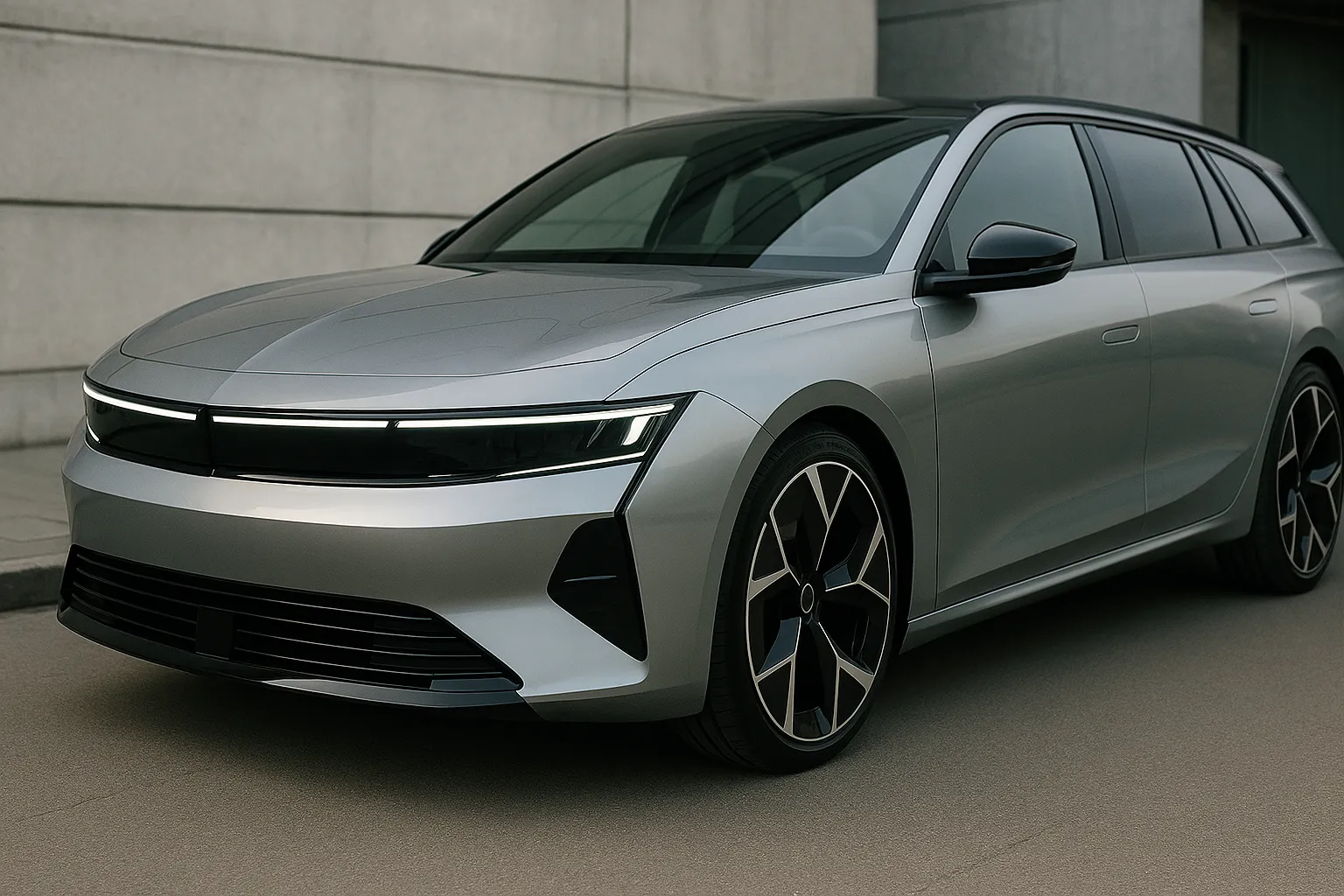
The concept vehicle relies on a long, stretched roofline and a significantly smoother design language than traditional compact estates. Aerodynamics are clearly at the center. In electric cars, they are not a side issue, but a direct factor for range, consumption and noise level. A low estate can have advantages here over taller body shapes without automatically having to sacrifice load volume or everyday usability.
Opel and Vauxhall have not yet named any specific technical data for the STX Concept. Battery size, range, charging power, powertrain, platform and interior dimensions remain open. This means the vehicle should currently not be understood as an almost production-ready data sheet, but as a preview of proportions, brand appearance and possible priorities of the next Astra model series.
The classification of the name is also important: STX currently stands for the concept, not necessarily for a later production designation. If it were to become a successor to the Astra Sports Tourer Electric, the familiar Astra name could continue to play the more likely role. However, that is not confirmed.
Why an electric estate is relevant for buyers
For car buyers, the message is clear: the electric estate is not dead. Anyone looking today for a family car, a company car model or a long-distance all-rounder will find significantly more SUV offerings than low estates in the electric segment. This is exactly where a future Astra Sports Tourer Electric could come in.
An estate appeals to customers who want a low entry height, a more engaging driving feel and a large trunk, but do not need a tall vehicle. For high-mileage drivers, the consumption advantage of a lower body can also be decisive. If Opel combines these strengths with good charging performance, competitive range and an affordable price, a production model would have a clear position in the market.
The topic is also relevant for fleet customers. The Astra has traditionally been one of the important models in the company car business. An electric Sports Tourer with a practical range could be of interest to field sales, tradespeople, company car drivers and authorities who want to electrify but do not need an SUV.
Design: more emotional, but not detached from everyday life
The STX Concept suggests a new balance. Opel and Vauxhall apparently want to move away from the purely functional estate image and toward a more dynamic silhouette. The proportions look more in the direction of a shooting brake than a classic load carrier. In doing so, the concept follows a familiar pattern: electric cars have to be efficient, but at the same time they should appear more desirable, because purchase decisions in this segment are not defined only by range and price.
For enthusiasts, what is interesting is that a manufacturer is not simply preserving the estate shape, but further developing it. A low, cleanly drawn electric estate can be an alternative for drivers who find many current electric SUVs too heavy, too tall or too uniform. It is still open how much of the show car will be carried over into production. Typical for concept vehicles are larger wheels, extremely smooth surfaces, reduced panel gaps and details that are toned down in production. However, the basic idea of a more elegant estate silhouette is likely to be the crucial indication.
New brand appearance at Vauxhall
The concept also comes during a phase in which Vauxhall is revising its brand appearance. The British brand is retaining its Griffin symbol, but is using it in a more modern way. In the STX Concept, this new emblem is likely to become especially visible for the first time. Opel, in parallel, is retaining its own Blitz identity. For the industry, this is a small but relevant signal: Stellantis is allowing Opel and Vauxhall to continue working closely together, but is giving them market-specific faces.
This is important because both brands are technically closely related. The products have to use economies of scale, but must not look interchangeable. Especially with electric cars, whose platforms and drivetrains can be shared across the group, design is becoming more important as a distinguishing feature.
What still remains open
The biggest questions concern the production technology. A future electric Astra estate would have to prove itself on several points: real-world motorway range, charging speed, interior variability, towing capacity, price and efficiency in winter. Without these figures, it is not yet possible to assess whether the STX Concept is only a strong visual preview or lays the foundation for a truly competitive production car.
The timing of a possible market launch is also unclear. The concept shows the direction for the next Astra generation, but a production model is likely to follow only later. Buyers who are looking for an electric car in the short term therefore cannot yet derive a concrete purchase decision from it. Those planning for the medium term, however, should see the STX as an indication that Opel and Vauxhall do not want to abandon the estate even after the current model generation.
Significance for the market
The STX Concept comes at the right time. The electric car market is maturing, and expectations are growing with it. Early electric cars primarily had to prove that electric mobility works. The next phase demands more variety: small cars, affordable models, vans, sporty vehicles and, indeed, estates.
For Opel and Vauxhall, this presents an opportunity. Neither brand has a luxury positioning; instead, they have traditionally stood for broad groups of buyers. A well-executed electric estate could score points exactly where many customers currently still find no ideal solution: in everyday usability, efficiency and value for money.
The STX Concept is therefore less a pure design exercise than a strategic signal. It shows that the estate does not necessarily have to disappear in the electric age. If the production version preserves the practical strengths of the Astra Sports Tourer and uses the efficiency advantages of a low body, it could become one of the more interesting electric cars in the compact segment.