MINI Cooper Paul Smith Edition: Special model with style instead of more power
The new MINI Cooper Paul Smith Edition focuses on British design, subtle details and familiar driving fun. What matters most for buyers: it is a style package, not a technology upgrade.
A MINI for buyers who value details more than spec sheets
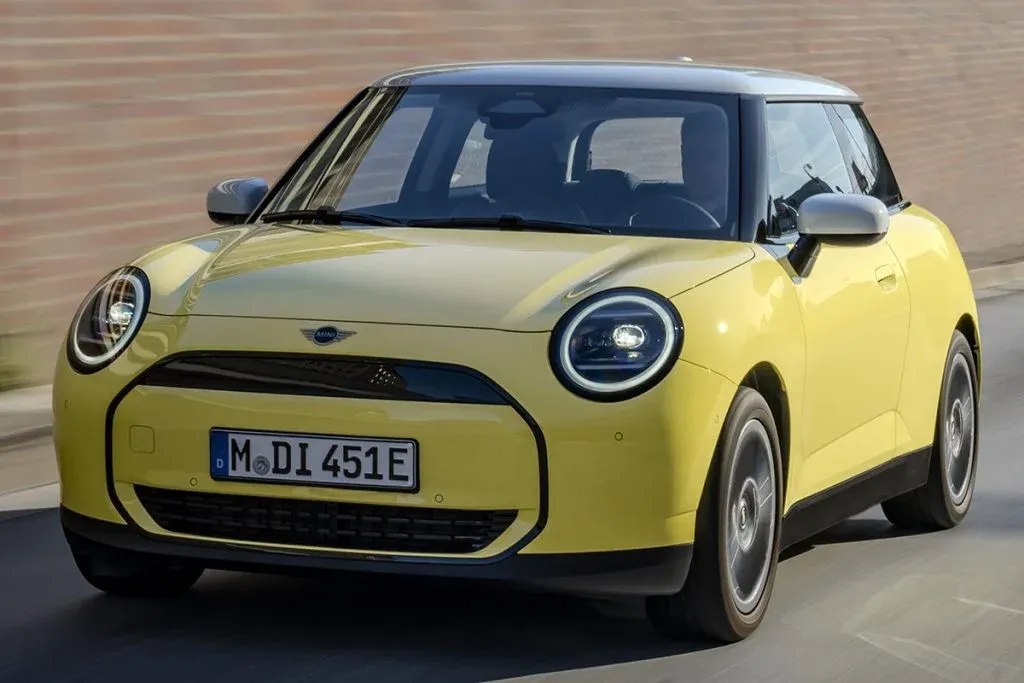
The MINI Cooper Paul Smith Edition is not a car that seeks attention with more power, a new chassis or a technical premiere. That is exactly the essence of this special model: it translates the collaboration between MINI and British fashion designer Paul Smith into a visible but deliberately understated design package. During the first driving impression in Great Britain, the Cooper shows itself to be what it otherwise is as well: a compact, agile small car with strong brand character – just with a special design touch.
This classification is important for buyers. Anyone expecting a special model that clearly sets itself apart from the regular MINI Cooper in terms of driving dynamics is likely to be disappointed. Those looking for a MINI that feels a little rarer without making a loud entrance, however, will find a plausible offering here. The Paul Smith Edition is above all a matter of taste, identity and collector appeal – less a matter of acceleration figures or technical superiority.
The collaboration has history

MINI and Paul Smith are not coming together for the first time. As early as the late nineties, a classic Mini Cooper was created in connection with the designer, at the time featuring, among other things, a distinctive blue paint finish that became closely associated with Paul Smith. This history is relevant for the new model because MINI rarely sells its special editions as mere equipment packages. They are always also intended to recall the brand’s own past: British pop culture, urban style, compact proportions and a certain sense of irony.
The new Paul Smith Edition, however, appears less extroverted than some fans might have expected given earlier collaborations. Instead of a particularly flashy appearance, it relies on a more reduced look. That fits the current MINI design language, which appears smoother, more digital and tidier than previous generations. At the same time, it takes away a little of the surprise factor that a designer edition could theoretically offer.
Design: special, but not over the top

The changes to the Paul Smith Edition are cosmetic in nature. That means buyers get visual and equipment-related special features, but no fundamentally different technology. This is both the appeal and the limitation of this model. The Cooper remains clearly recognizable as the basis; the special edition is intended to refine and individualize it.
The design feels curated rather than playful. The Paul Smith connection is present, but it does not completely dominate the car. Anyone hoping the edition would be a rolling fashion statement with maximally eye-catching colors and patterns may miss a little more boldness. On the other hand, this very restraint is likely to ensure that the car works better in everyday life. Not every buyer of a designer special model wants to stand out every morning with a statement on wheels.
For the used-car market, this balance could be interesting. Very loud special models sometimes age faster, while more subtle editions remain wearable for longer. What will be decisive, however, is how many vehicles are built, which markets are supplied and whether the equipment justifies the added price. There is currently no reliable information on price, production numbers or final availability outside Great Britain.
Driving behavior: the familiar MINI character remains
Since the edition does not represent a technical realignment, the normal MINI Cooper character is at the forefront when driving. That is fundamentally not bad news. The modern MINI continues to thrive on short dimensions, direct responses and a close connection between driver and car. On British roads, this setup naturally fits well: tight corners, changing surfaces and compact village passages play to the strengths of a small car with precise steering feel.
At the same time, the term driving fun should be viewed soberly. The current MINI has become more mature, offers more digital operation and has to meet comfort, efficiency and safety requirements that never played a role in the classic Mini. The Paul Smith Edition changes none of that. It does not sharpen the chassis and does not turn the Cooper into a John Cooper Works. Its added value comes when getting in, looking at it and owning it – not through a changed dynamic level.
For enthusiasts, that can be precisely the sticking point. MINI special models often raise expectations because the brand has historically been closely linked with motorsport, tuning and emotional driving dynamics. This model, however, is aimed more at design and brand fans than at drivers looking for measurable performance.
Why the special model is still relevant
Special editions such as the MINI Cooper Paul Smith Edition show how strongly car brands now sell through culture and lifestyle. In a small-car segment that is under cost pressure in Europe and increasingly shaped by electrified platforms, SUVs and stricter regulations, a model has to offer more than pure reason. MINI can draw on an unusually clear identity here: the Cooper is small, iconic and immediately recognizable. A designer edition reinforces this effect.
For the industry, this is a familiar but effective principle. When technology becomes similar between models, color, material, history and brand collaborations become more important. A special model can generate attention without a manufacturer having to invest expensive development work in engines or platforms. That makes economic sense – as long as customers perceive the surcharge as genuine added value.
For owners, the calculation can also work out. A visually distinctive MINI can feel more personal than a regular model from the configurator. If the edition later remains rare and is well maintained, it may appear more attractive on the used-car market than a comparably equipped standard Cooper. But that is not guaranteed. Collector value does not automatically arise from a well-known name on the equipment list.
Buying advice: who is the Paul Smith Edition right for?
The Paul Smith Edition is best suited to buyers who want a MINI Cooper anyway and are willing to pay more for a special design. Those who buy the Cooper for its compact dimensions, its image and its playful interior feel are likely to be happy with the special model – provided the surcharge remains reasonable.
It is less suitable for customers looking for the rationally best small car. A special model is rarely the cheapest way to get good equipment. Anyone expecting maximum individuality should also look at the car closely: the edition is deliberately understated and not as extravagant as the Paul Smith name might suggest.
Before ordering, buyers should therefore check three points: first, which equipment features are actually exclusive; second, whether the paint finish, interior details and trim will still appeal in the long term; third, how high the surcharge is compared with a similarly equipped Cooper without the special label. Only if this calculation makes sense emotionally and financially will the designer MINI become more than a pretty extra.
Conclusion
The MINI Cooper Paul Smith Edition is a charming special model, but not a technical turning point. Its strength lies in the combination of MINI form, British fashion reference and everyday restraint. One may wish for a little more design courage, but it is precisely the subtle execution that makes it easier for many buyers to use.
Anyone looking for a faster, sharper or fundamentally different MINI should look elsewhere in the model range. Those, however, who want a Cooper with additional history and fine design accents get an edition that coherently complements the character of the brand.