Mercedes GLC EV: The electric bestseller candidate takes shape
Mercedes-Benz is firming up the electric GLC. The SUV aims to reach customers who were uneasy with the previous EQ models, offering a familiar format, strong charging performance and greater utility.
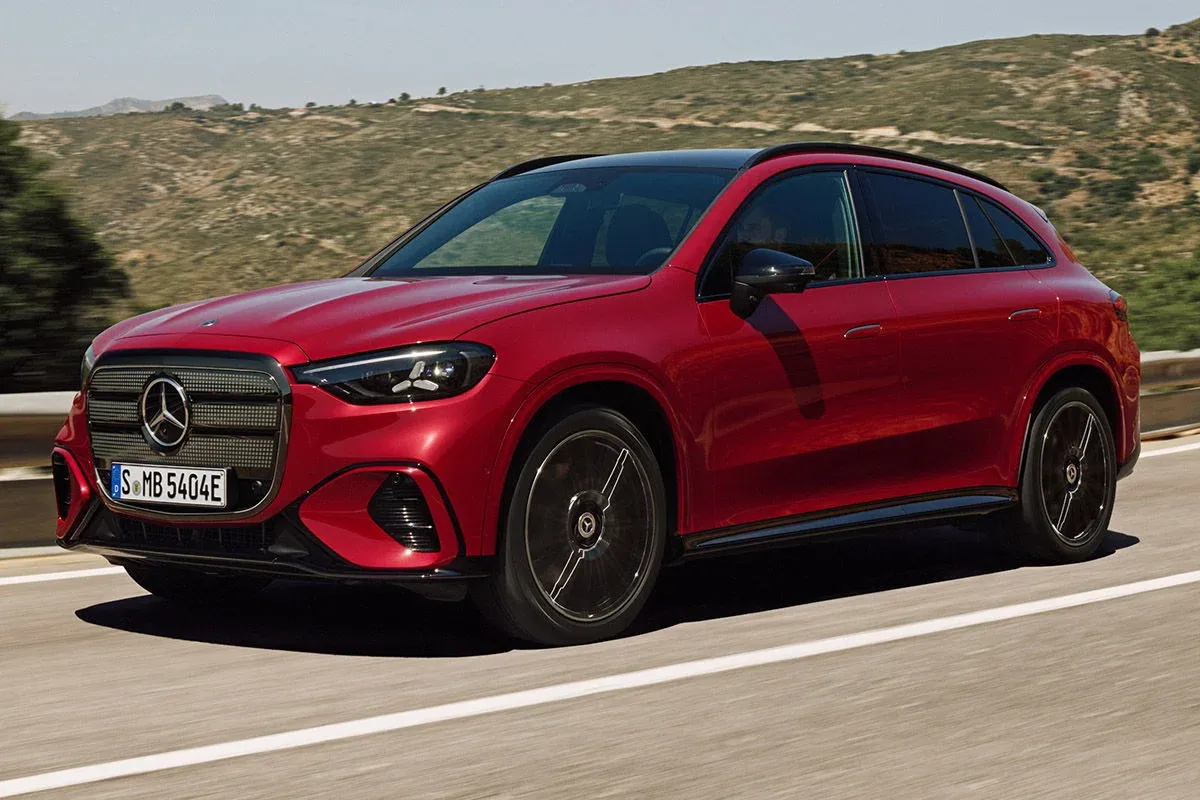
Mercedes-Benz is bringing its most important SUV name into the electric age. The upcoming GLC EV is moving closer to its sales launch, and with the key data now outlined more precisely, it is becoming clearer what role the model is intended to play: less a futuristic experiment, more an electric everyday Mercedes for families, commuters and company-car drivers.
This is a decisive step for the brand. The previous Mercedes electric cars from the EQ family were technically ambitious, but visually and conceptually not always close to what many SUV buyers already knew. The electric GLC takes a different approach. It relies on an established model name, a classic SUV silhouette and a format that is relevant in North America, Europe and China alike. Precisely for that reason, this car could become more important for Mercedes than some larger or more expensive EQ offshoots.
Familiar name, new architecture

The GLC has been one of Mercedes-Benz’s central model series for years. As a combustion-engine model and plug-in hybrid, it is the entry point into the brand’s midsize SUV class for many customers. The electric variant is intended to make use of this trust without simply being an existing model with a battery. The GLC EV is based on an electric platform and is positioned as a model with “EQ Technology.”
This is more than a question of naming. Mercedes is moving away from the separate EQ nomenclature, which deliberately set models such as the EQE SUV or EQS SUV apart from the classic model series. In the future, the familiar model name will be more prominently in the foreground, while the type of drive will be explained through additional designations. For buyers, that should be simpler: anyone looking for a GLC will in future find combustion-engine, hybrid and electric variants mentally closer together.
Performance and charging capability in focus

For the market launch, the GLC 400 4Matic with EQ Technology version is particularly at the center of attention. A dual-motor all-wheel drive system is expected, with output in the region of around 360 kW, or about 490 hp. This clearly places the electric SUV in the high-performance premium segment without making it appear exclusively as a performance model.
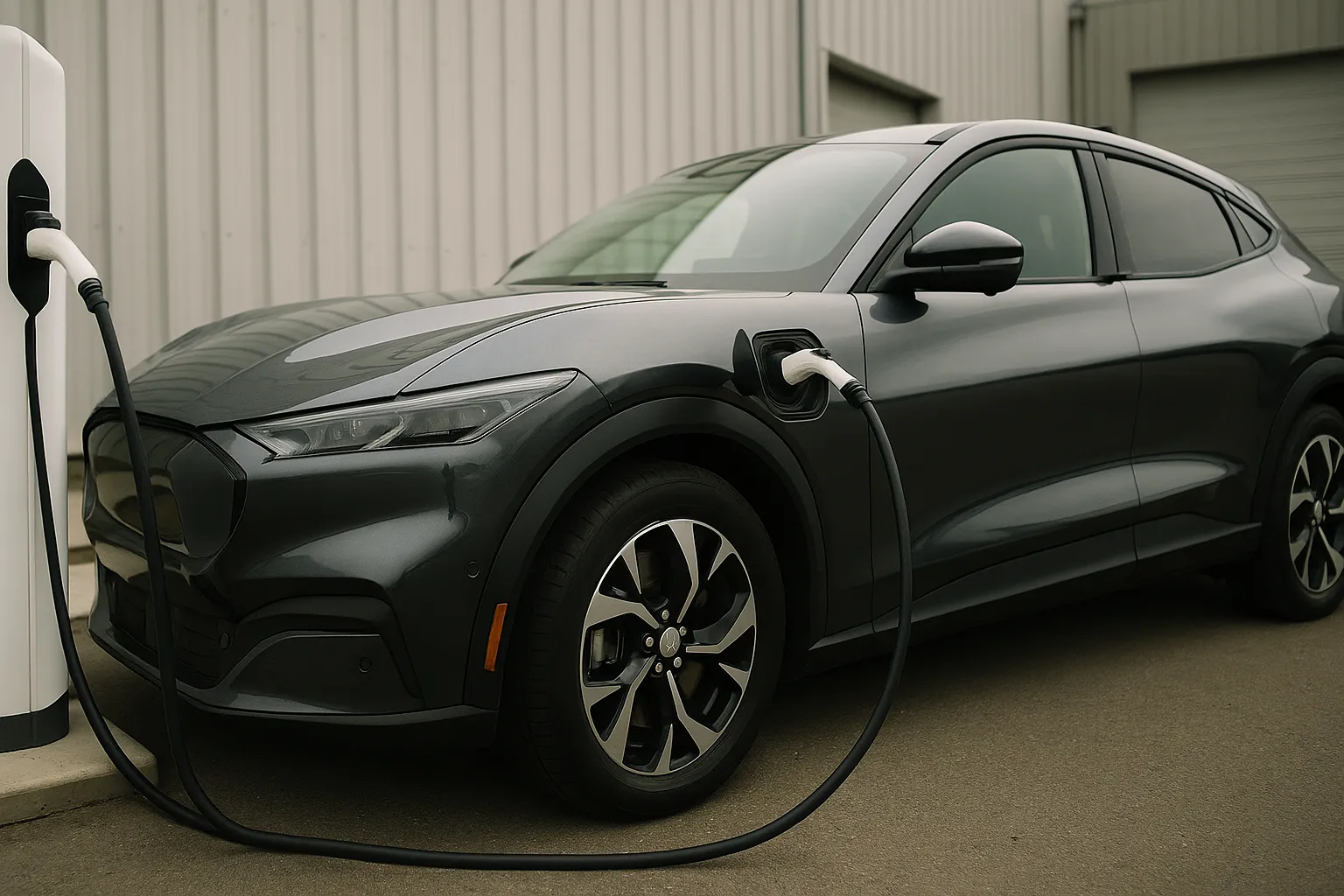
More important than pure acceleration in everyday use is charging performance. The electric GLC uses an 800-volt architecture intended to enable high DC charging rates. Mercedes speaks of peak values above 300 kW for the model environment. In practice, the actual charging speed depends, as always, on battery temperature, state of charge and charging station. Nevertheless, the technical direction is clear: on long journeys, the GLC EV is intended to convince not only with range, but also with short charging stops.
The battery is expected to be in the area of a good 90 kWh of usable capacity. The official range for the US market has not yet been definitively stated; European WLTP values and American EPA figures are not directly comparable. Buyers should therefore be cautious when early range figures circulate. What will be decisive is how much range remains at highway speeds, in cold weather and with a full load.
Why this model could appeal more strongly to buyers
The electric GLC hits a nerve that some earlier premium EVs missed. Many customers do not want a particularly conspicuous electric car, but rather a good SUV with electric drive. This is exactly where Mercedes is focusing: a higher seating position, usable cargo space, familiar operating logic and a brand name that does not need explaining.
For families, utility also matters. An electric SUV of this size can benefit from the flat battery floor because the interior can be used more efficiently. Mercedes has also placed great emphasis on noise comfort, software functions and assistance systems in its newer electric platforms. If the GLC EV combines these qualities with a less polarizing design, it can have a much broader appeal than the larger EQ models.
This is also relevant for today’s GLC drivers. Anyone currently driving a GLC 300, GLC 300e or another model from the series will get an electric alternative with the EV that does not force them into a completely different vehicle concept. That can lower the barrier to switching – especially for leasing customers, company-car drivers and households with their own charging option.
Price remains the central open question
The most important number is still missing: the price. In this segment in particular, positioning determines whether the GLC EV remains a niche model for technology fans or becomes a serious volume driver. Mercedes has to position it above cheaper electric SUVs, but attractively enough against the BMW iX3, Audi Q6 e-tron, Porsche Macan Electric, Cadillac Optiq, Genesis GV60 and Tesla Model Y Performance.
Too high an entry price could weaken the advantage of the well-known GLC name. A competitive price with good standard equipment, on the other hand, would help the model reach precisely those customers who want a premium electric car but are not looking for a very large or very expressively designed EQS SUV.
Added to this is the question of equipment packages. Mercedes is known for extensive options lists. Buyers should therefore pay attention not only to the base price, but to the realistic transaction price with the desired assistance systems, comfort functions, wheels, winter packages and infotainment options.
Significance for Mercedes and the market
For Mercedes, the GLC EV is a strategically important touchstone. The brand needs electric cars that not only meet regulatory requirements or demonstrate technological leadership, but can also be sold in large numbers. An electric GLC has better prerequisites for this than many previous models because it serves an established segment and starts with a familiar name.
For the industry, the move shows a broader trend: premium manufacturers are moving electric drivetrains closer to their core model series. Instead of building separate EV families, electric models are being integrated more strongly into familiar model lines. This makes marketing, residual-value communication and customer orientation easier.
Conclusion
The Mercedes-Benz GLC EV has not yet been fully described, but the direction is clear. It combines a familiar SUV concept with modern electric architecture, high charging performance and a premium positioning. Whether this turns into sales success depends less on one single peak figure than on the overall package: realistic range, charging reliability, space, software, equipment – and above all price.
For buyers, it is worth waiting for the final market details. Anyone looking for an electric premium SUV should nevertheless put the GLC EV on the comparison list. It could become exactly the model with which Mercedes brings its electric strategy closer to the automotive everyday life of many customers.