LG plant in Michigan to supply battery cells for Toyota Highlander EV
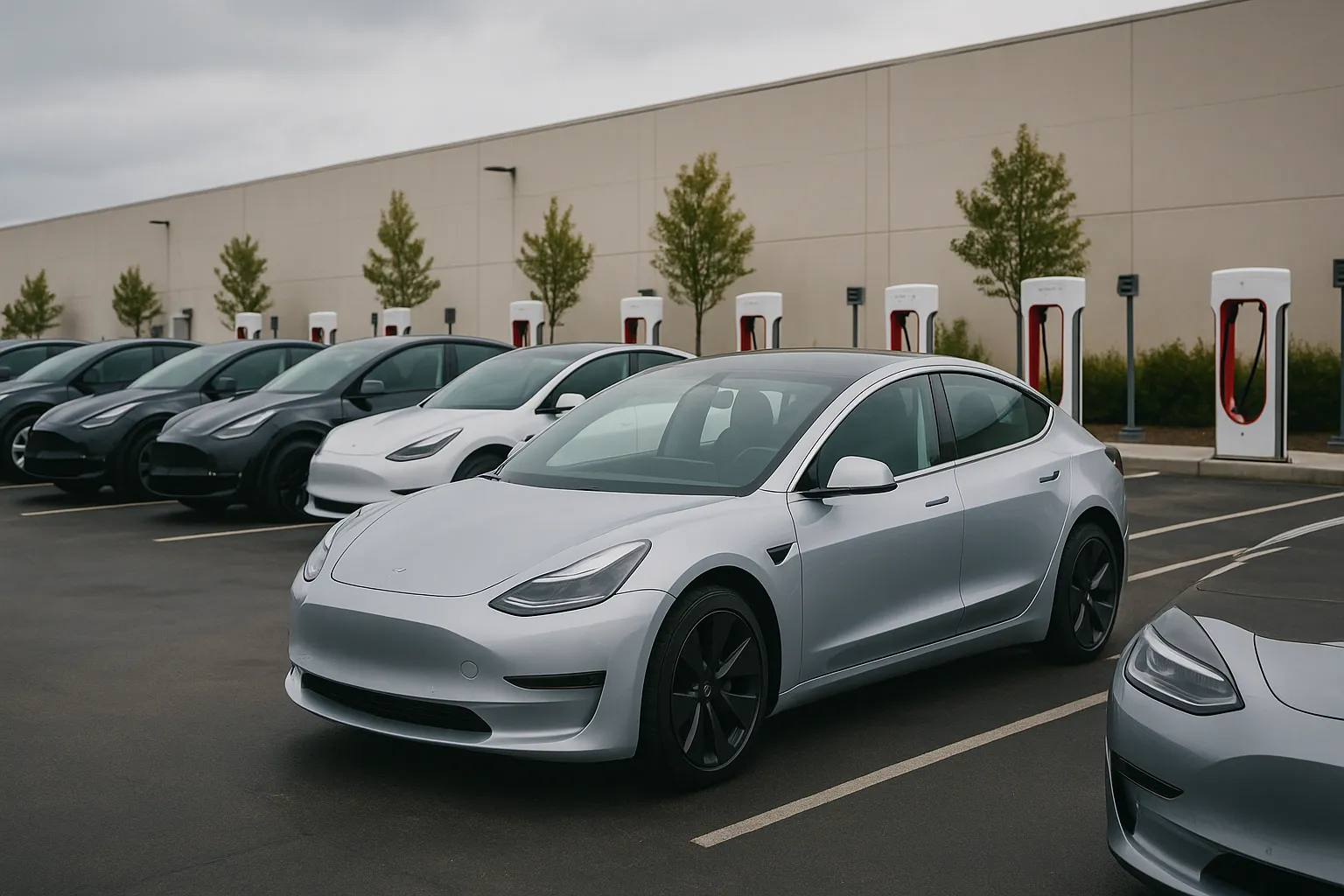
LG Energy Solution has started cell production in Michigan. One customer is expected to be Toyota's future Highlander EV – an important step toward more localized electric SUVs in North America.
Another building block for Toyota's electric offensive
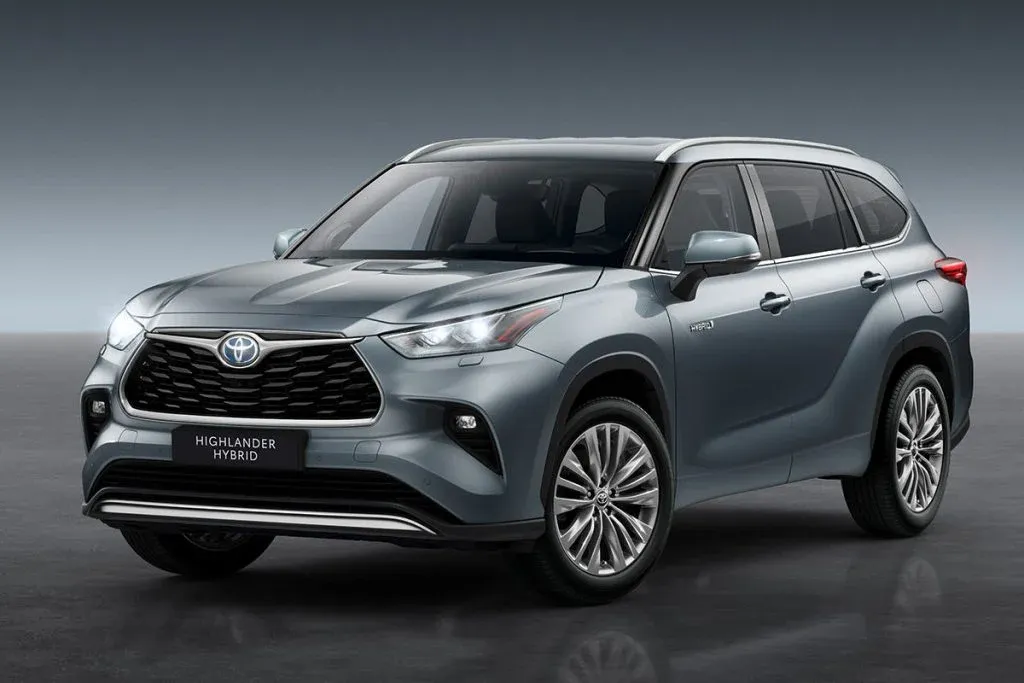
LG Energy Solution has started production at a new battery plant in Michigan. The cells manufactured there are intended, among other things, for the future Toyota Highlander EV. This gives Toyota's announced three-row electric SUV for the North American market clearer shape: not only the vehicle itself, but also a crucial part of its powertrain is set to be more strongly rooted in the region.
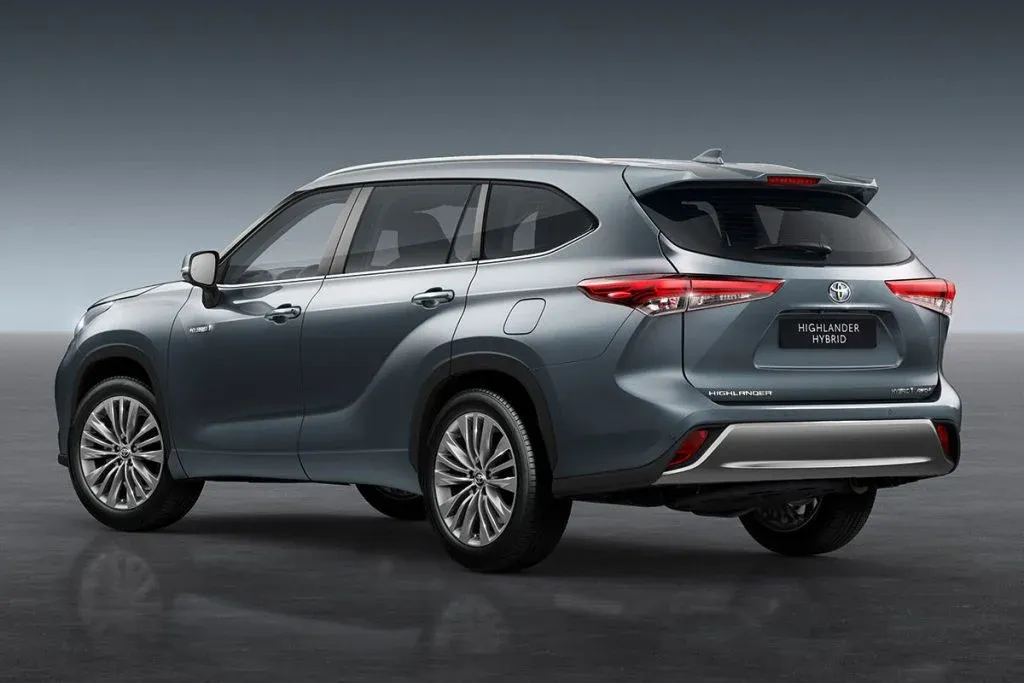
For Toyota, this is more than a supplier announcement. The Highlander has been a central family SUV in North America for years, known for three rows of seats, high everyday usability, and a rather conservative buyer profile. An electric variant bearing this name would bring Toyota into a segment that so far has been occupied by only a few models: large, family-friendly electric SUVs with three rows and broad market ambitions.
Why battery cells from Michigan matter
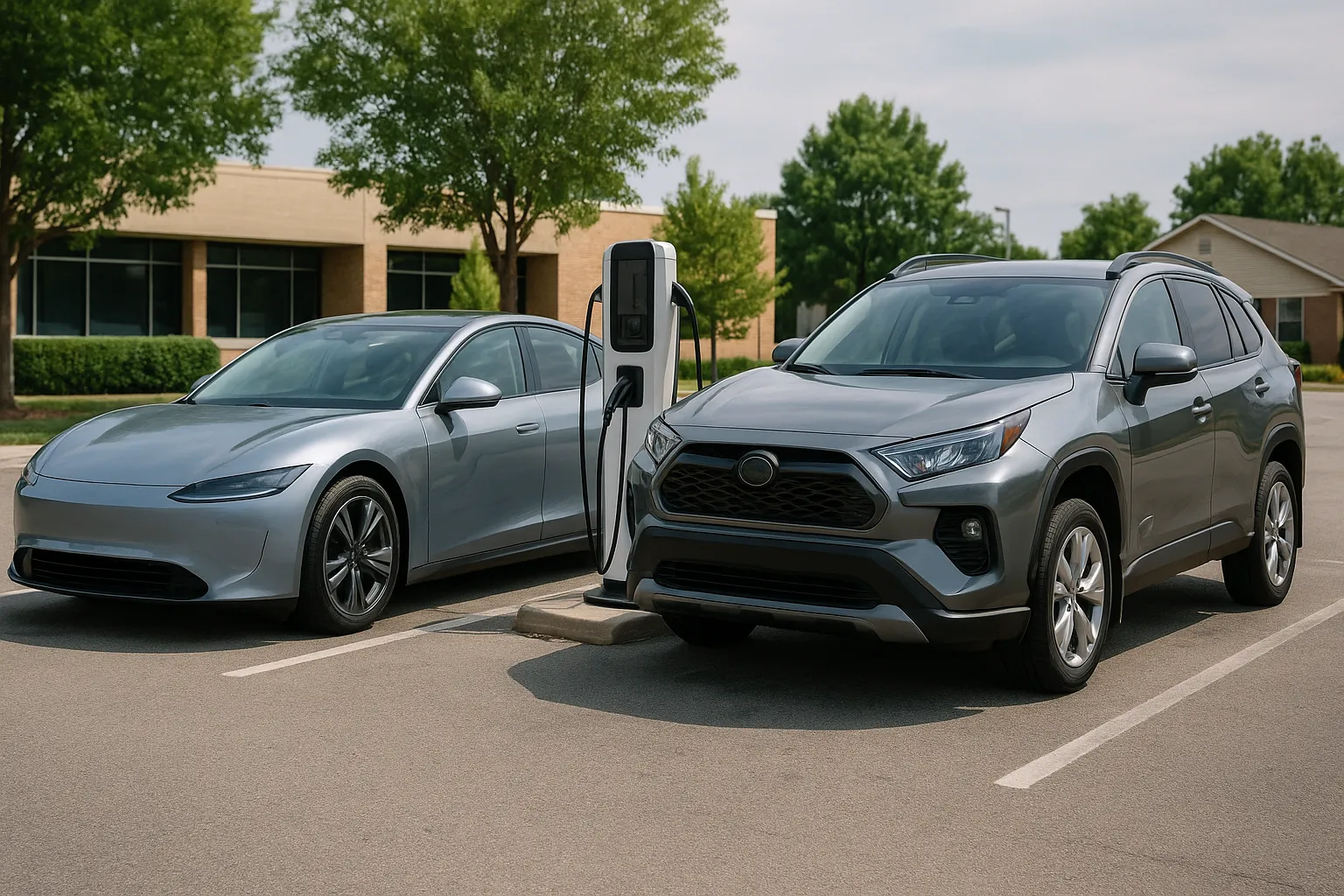
In an electric car, the battery is the most expensive and strategically most important component complex. Where cells are built influences not only supply chains and costs, but also political and tax framework conditions. Cell production in Michigan can help Toyota reduce its dependence on imports and tailor the Highlander EV more closely to the North American market.
For buyers, a local cell source can have several practical consequences. First, it can stabilize supply as production ramps up. Second, regional manufacturing can reduce costs in the long term or at least cushion price fluctuations. Third, it can play a role in eligibility for incentives. In the USA, purchase incentives for electric cars depend on several conditions, including final assembly, battery components, raw material origin, vehicle price, and buyer profile. Battery cells from the USA are therefore an important plus, but not an automatic guarantee of full incentives.
This point is especially relevant for large electric SUVs. Vehicles with three rows of seats need large battery packs to meet expectations for range, performance, and towing capacity. The larger the battery, the more heavily the cell price weighs. Regional production can therefore become decisive in competition with established and upcoming electric family SUVs.
Toyota's late but important role in the three-row EV segment
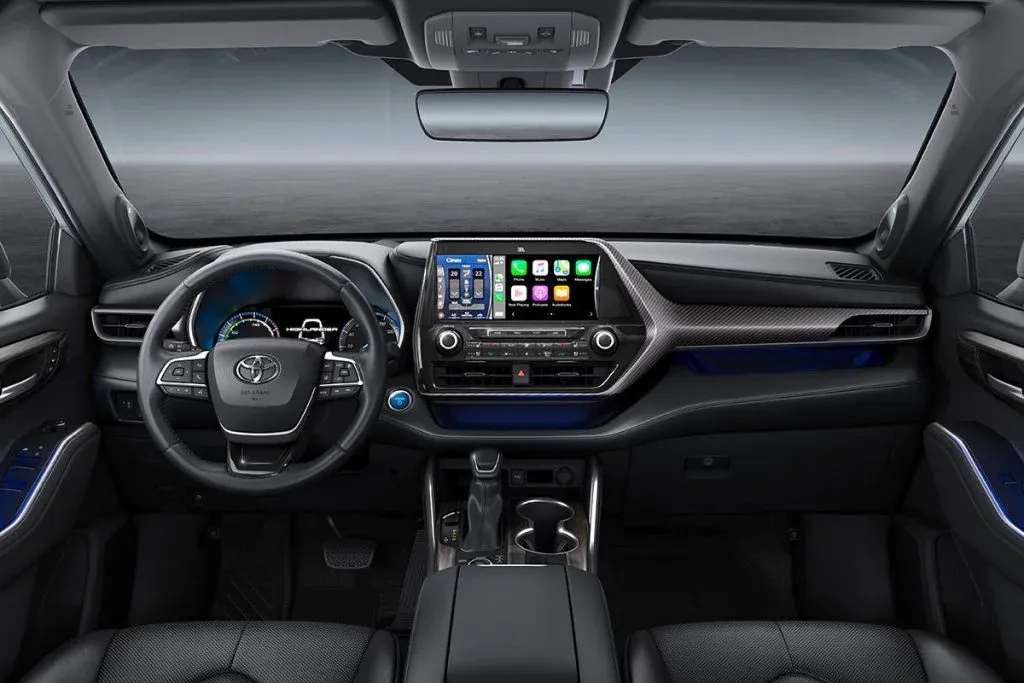
Toyota shaped the hybrid market for decades, but was more cautious with pure battery-electric cars than some competitors. That makes the Highlander EV particularly interesting. It would not only be another electric car in the portfolio, but a model in a vehicle class in which Toyota traditionally reaches many customers: families, commuters needing space, fleet buyers, and households looking for a single large everyday car.
A three-row electric SUV has to meet different requirements than a compact crossover. Buyers expect space for children, adults, luggage, sports equipment, and often also towing capabilities. At the same time, the range must not only be convincing on paper, but also at highway speeds, with a full load, in winter weather, and on vacation trips. This is exactly where the battery determines the user experience.
Key technical data for the Highlander EV are still open. In this context, Toyota has not released any final information on range, battery size, charging power, motorization, price, or market launch. The exact configuration – for example, whether the model will come exclusively as an all-wheel-drive vehicle or receive several battery variants – also remains to be seen. What is certain is this: the cell supply from Michigan suggests that Toyota is preparing the electric Highlander not as a niche product, but as a serious building block in its US offering.
What changes for today's Highlander buyers
For buyers of a current Highlander or Grand Highlander, the announcement does not mean that combustion-engine and hybrid models will disappear in the short term. Toyota continues to rely heavily on hybrid powertrains, especially in larger vehicle classes where efficiency and everyday usability matter. Rather, the Highlander EV is likely to become an additional option for customers who want three rows of seats but want to drive locally emission-free.
Positioning is important. A Highlander EV would have to hold its own not only against other electric SUVs, but also against Toyota's own hybrid models. Many Toyota customers value low fuel consumption without charging planning. An electric Highlander therefore has to make its case with convincing range, fast charging capability, high reliability, and understandable operating costs.
For owners with their own charging option, such an SUV could become particularly attractive. Large family vehicles often cover regular, easily planned routes: school runs, commuting, shopping, leisure trips. Those who can charge at home reduce fuel stops and can achieve significantly lower energy costs in everyday use. On long-distance journeys, however, fast-charging performance remains decisive. Here it will have to be shown how competitive Toyota's package of battery, thermal management, and charging planning turns out to be.
Significance for the industry
Cell production in Michigan also shows how strongly the auto industry is reorganizing regionally. Manufacturers want to produce batteries closer to vehicle plants, customer markets, and political incentive structures. Suppliers such as LG Energy Solution are thereby becoming key partners, not just component suppliers.
For Toyota, stable battery access is particularly important because the company has to expand its electric strategy in parallel with hybrid, plug-in hybrid, and possibly other powertrain concepts. A large electric SUV requires high cell volumes. If demand picks up, the availability of batteries will determine whether a manufacturer can offer short delivery times or loses customers to competitors.
The development is also exciting for enthusiasts. Toyota has a strong SUV and off-road tradition, but with electric vehicles the brand is still under scrutiny. A well-executed Highlander EV could show how Toyota translates its strengths – efficient powertrains, robust high-volume production quality, and high everyday usability – into a battery-electric family car.
Still many open questions
Despite the start of production in Michigan, the most important customer details about the Highlander EV remain unresolved. Range, charging speed, interior concept, price, and eligibility for incentives will be decisive. Equally important is whether Toyota meets expectations for a large family car: quiet comfort, sufficient space in row three, a usable trunk with all seats occupied, and simple everyday charging.
The news from Michigan is therefore not a finished vehicle data sheet, but a clear signal. Toyota is preparing its first three-row electric SUV for North America with regional battery supply. For buyers, that could mean more choice in a still small segment. For the industry, it shows that the competition for large electric family cars will now also be decided by local battery capacities.