Kia Telluride and Tesla Model Y receive IIHS Top Safety Pick+
The Kia Telluride and Tesla Model Y achieve the IIHS’s highest current safety award. What matters most for buyers: the top rating depends on the specific, newer vehicle configuration.
Two bestsellers pass stricter safety tests
The Kia Telluride and the Tesla Model Y have earned the Top Safety Pick+ award from the Insurance Institute for Highway Safety, or IIHS. This means two of the best-known SUV models in the US market perform well in a test program that has become significantly more demanding in recent years. For car buyers, this is more than just another sticker in the showroom: the rating combines results from crash tests, headlight evaluations, and crash-avoidance tests.
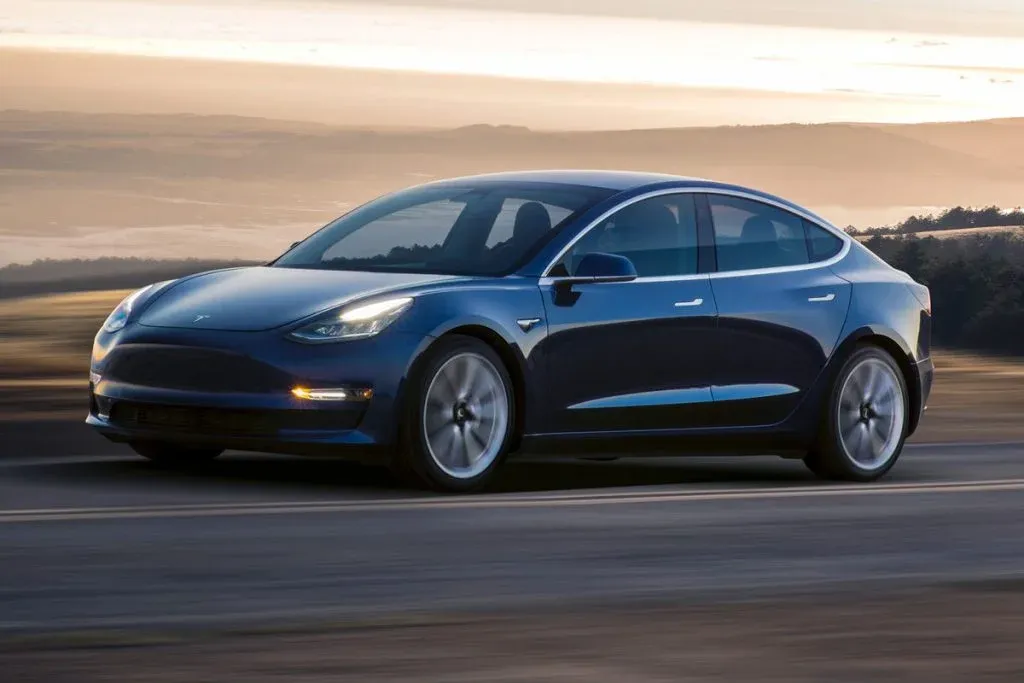
The news concerns two very different vehicles. The Kia Telluride is a large family SUV with three rows of seats, plenty of space, and a traditional combustion-engine powertrain. The Tesla Model Y is an all-electric crossover and is among the best-selling electric cars in many markets. What they have in common: both are frequently bought as everyday and family vehicles, precisely in a segment where safety ratings are especially relevant to the purchase decision.
What Top Safety Pick+ means
Top Safety Pick+ is the IIHS’s highest current safety award. It is not given solely for good results in a single frontal crash. What matters is an overall picture across several disciplines. These include, among other things, the stability of the passenger compartment in frontal and side impacts, protection for occupants in the front and rear seats, the effectiveness of the belt systems, and headlight performance. A vehicle’s ability to avoid collisions with pedestrians or at least mitigate them is also included in the rating.
In recent years, the IIHS has particularly tightened the requirements for protecting the rear seats. This is important because children, teenagers, or adult passengers often sit there. Earlier tests placed greater emphasis on the driver and front passenger. The newer test scenarios show more precisely whether seat belts, airbags, head restraints, and the body structure also provide a high level of protection in the rear.
The side-impact test is also relevant. Modern SUVs have become heavier, and many crashes involve larger, taller vehicles. Accordingly, the current tests simulate harsher loads than earlier test procedures. A good result is therefore more meaningful than older awards that were granted under less stringent conditions.
The important catch: build date and equipment matter
The award applies to the respective current tested configurations of the Kia Telluride and Tesla Model Y. For buyers, this means not every used example or one that has already been in production for longer automatically has to meet the same rating. Safety ratings can be tied to specific production statuses, technical changes, software versions, headlights, or standard equipment.
This is especially important when buying from dealer inventory or on the used market. A vehicle with the same model name may have been built before or after a safety-relevant change. Even seemingly small adjustments, such as to seat belts, sensors, headlights, or driver assistance systems, can be decisive for the test result. Anyone explicitly using the IIHS top rating as a purchase criterion should therefore have the vehicle identification number, production date, and exact equipment checked.
When buying a new car, the likelihood of receiving the latest configuration is greater. Nevertheless, it is worth taking a close look at the model information, especially for vehicles that have been standing at the dealer for some time. With Tesla, there is also the fact that hardware and software versions can vary depending on the production period. For the Kia Telluride, the specific model and build period is likewise decisive for US buyers.
Why this matters for family buyers
SUVs such as the Telluride and the Model Y are often bought for their space, elevated seating position, and everyday usability. This exact buyer group regularly transports children, luggage, sports equipment, or several adults. A good crash result cannot eliminate the risk of an accident, but it shows that the vehicle has high protection potential in standardized scenarios.
For families, rear-seat protection is especially relevant. A vehicle can protect very well up front but show weaknesses in the rear seats. The stricter IIHS requirements make such differences more visible. Anyone who often travels with a fully occupied car should therefore pay attention not only to the number of airbags or assistance packages, but also to current independent crash-test results.
The headlight rating is also practical. Good lighting systems help detect obstacles, pedestrians, and animals earlier. In the past, very good headlights were often reserved for expensive trim levels. In the newer safety programs, what matters is that acceptable or good lighting systems are more widely available. This reduces the risk that only top versions deserve the best rating.
Tesla Model Y: safety remains a selling point for EVs
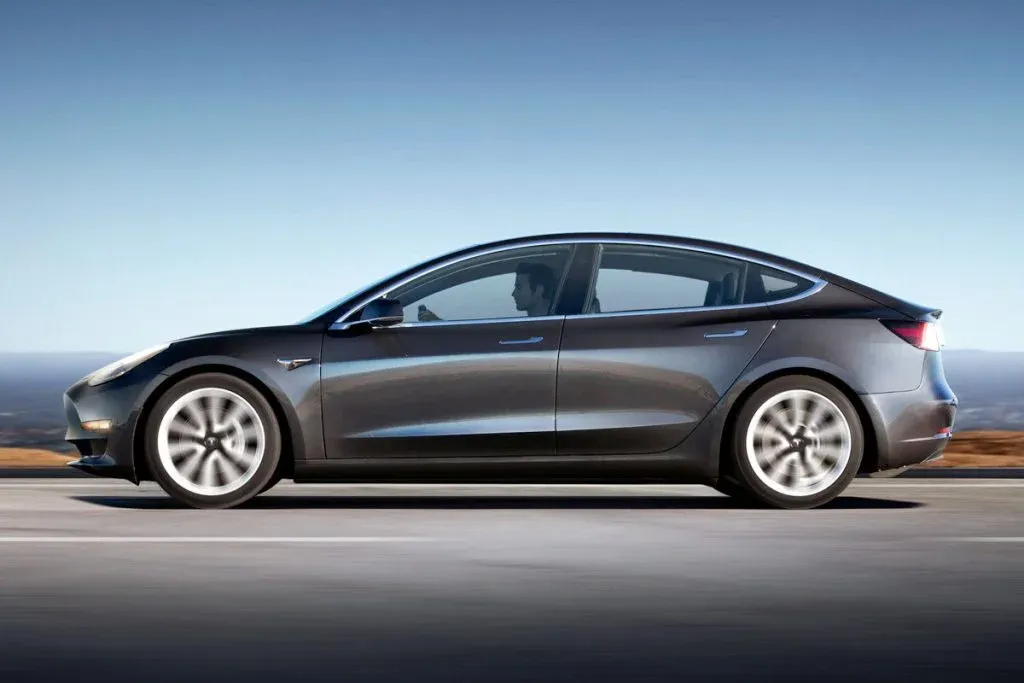
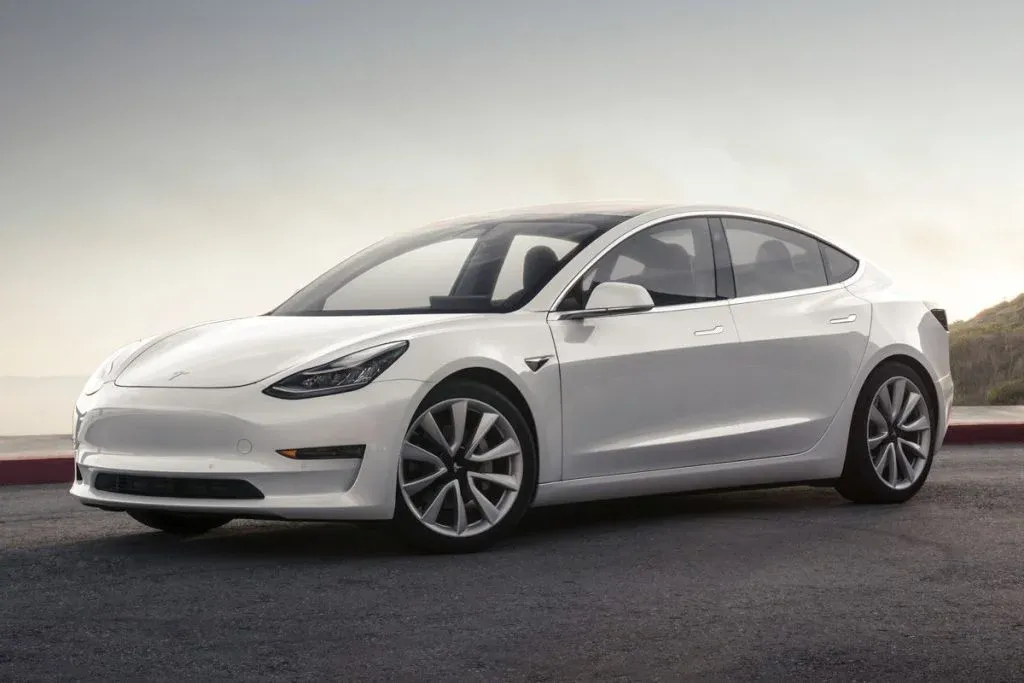
For the Tesla Model Y, the top safety award strengthens a key argument for many electric-car buyers. From a design perspective, EVs often benefit from a low-mounted battery pack, which lowers the center of gravity, and from large crumple zones because there is no large combustion engine in the front end. However, this architecture is no substitute for sound safety development. Structure, restraint systems, and software have to work together.
The Model Y is a volume model in many countries. That is why a safety rating has a greater impact here than with a niche vehicle. It affects fleet customers, private buyers, lessees, and insurers. At the same time, it remains important that assistance systems are not an invitation to pay less attention. Automatic emergency braking systems, cameras, and sensors can help, but they do not work perfectly in every situation.
For buyers outside the USA, there is one limitation: IIHS tests relate to the North American market. Vehicles for Europe or other regions can differ in equipment, lighting technology, or homologation details. The results are still a useful indication, but they should not be transferred unchecked to every market version.
Kia Telluride: large family SUV with proof of safety
The Kia Telluride is an important model, especially in North America. There, it competes with other large three-row SUVs and is aimed at buyers who want plenty of space but do not want to opt for a traditional full-size SUV. The new top rating improves its position in a segment where safety, comfort, and value for money are weighed particularly strongly against each other.
For Kia, the result is also relevant from a brand perspective. Safety ratings are visible proof that a manufacturer prioritizes not only design, infotainment, and equipment, but also continues to develop passive and active protection systems. Especially with large family vehicles, a weak rating can noticeably depress demand and residual values; a strong rating, by contrast, helps in the competition.
What buyers should check now
Anyone who wants to buy a Kia Telluride or a Tesla Model Y should not view the award in isolation. A brief safety check before signing the contract makes sense: Does the build period match the evaluated configuration? Are the relevant headlights and assistance systems standard, or tied to a specific trim? Are there recalls or open service campaigns? And does the specific vehicle really correspond to the tested market version?
Owners of older vehicles can also benefit, even if their example does not automatically fall under the new rating. Safety updates, recall work, and properly maintained tires, brakes, and lighting systems have a major influence in everyday use. With Tesla, software updates can change or improve functions; with every vehicle, however, hardware limits remain.
The Top Safety Pick+ ratings for the Telluride and Model Y show how strongly safety standards have become a competitive factor today. For buyers, the most important takeaway is simple: a modern SUV should not only be large, fast, or efficient. It should also impress in the strictest available tests — and specifically in the exact version that is actually standing in the driveway.