Kia EV5 GT launches in Europe: Electric SUV with 302 hp and performance ambitions
Kia is expanding the EV5 range in Europe with a sportier GT version. The electric SUV delivers 302 hp and targets buyers looking for a practical family car with added dynamism.

Kia sharpens the EV5 for Europe
Kia is bringing the EV5 GT to Europe, expanding its range of electric SUVs with a more sportily positioned variant. The key figure: 302 hp, which mathematically corresponds to about 225 kW or around 306 PS. This places the EV5 GT in a performance field that is interesting for many buyers who are looking for a family-friendly electric car but do not want to do without noticeable reserves when accelerating.
The EV5 GT is not a radical sports car in SUV clothing, but rather the more dynamic expression of an electric SUV suitable for everyday use. This exact mix is particularly relevant in the European market: Mid-size electric SUVs are among the most important growth drivers because they combine a high seating position, a versatile interior and local emissions-free driving. With the GT version, Kia is trying to be perceived in this segment not only through rational arguments such as space and efficiency, but also through driving enjoyment and brand image.
302 hp: enough power for the core segment
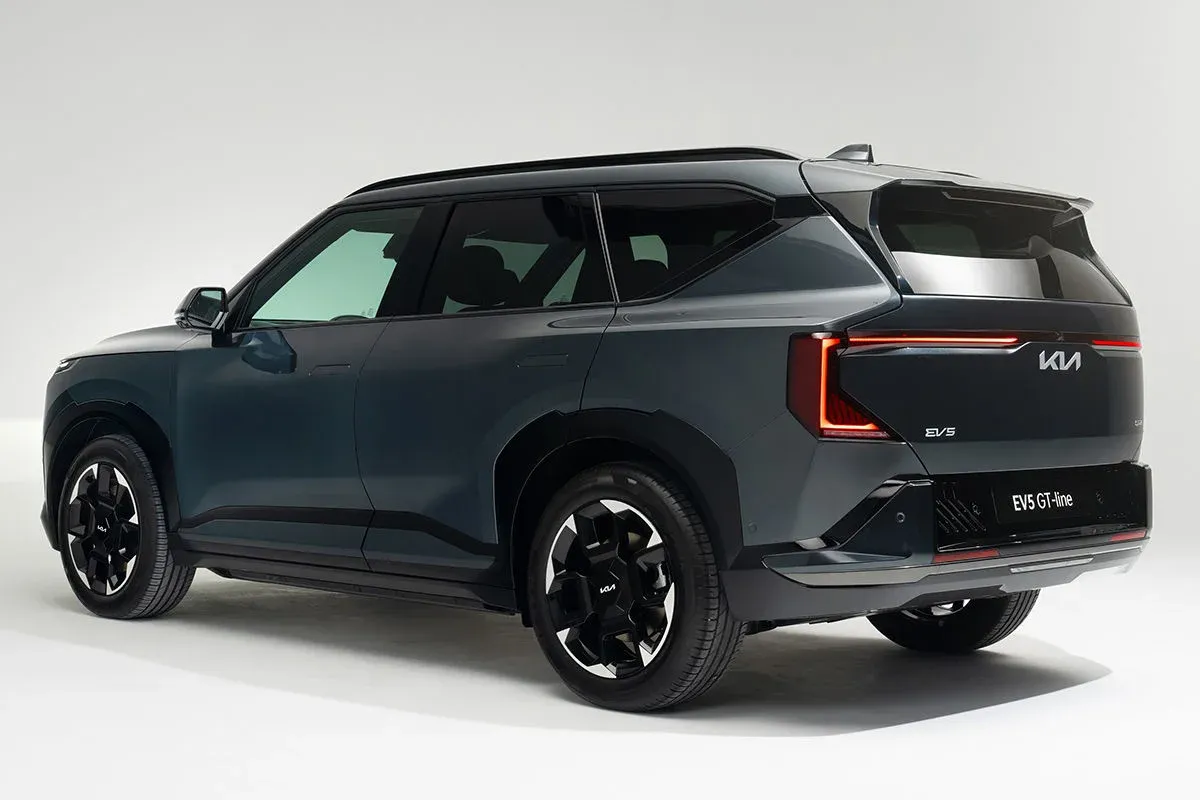
The output figure of 302 hp puts the EV5 GT clearly above the level of many base versions of electric family SUVs. For everyday use, this is likely to mean confident acceleration when joining motorways, brisk overtaking manoeuvres and enough power reserves even when fully loaded. Especially with electric cars, however, pure peak output is only part of the story. Equally important are response, traction control, battery temperature management, weight, chassis tuning and the question of how long the power remains available under repeated load.
Kia already uses the GT designation for particularly performance-oriented models within its electric range. The suffix therefore raises expectations: Buyers are likely to expect not only a stronger drive system, but also sharper tuning, visual differentiation and higher-grade equipment. Which specific technical changes the European EV5 GT receives compared with other EV5 versions remains decisive for the final assessment. These mainly include battery capacity, range, charging power, drive layout, weight and price.
A direct attack on the most important electric SUV segment
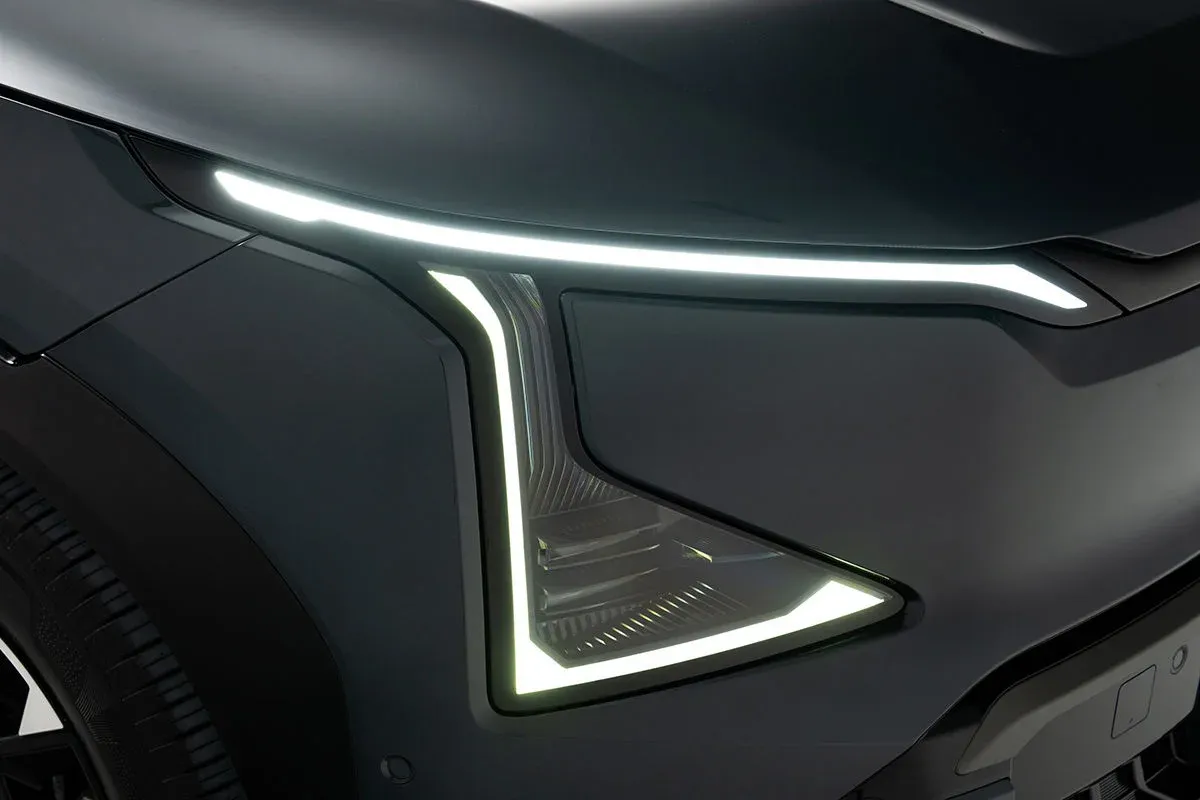
The EV5 GT enters a market in which the Tesla Model Y has been regarded as a reference point for many buyers for years. This is not only due to performance, but also to efficiency, software, charging infrastructure and pricing. Kia therefore does not have to assert itself with the horsepower figure alone. The decisive factor will be whether the EV5 GT offers a convincing overall package of range, charging speed, comfort, operation, assistance systems, warranty and realistic running costs.
For European customers, the model policy is nevertheless exciting. Anyone looking for an electric SUV with a sportier character, but who does not automatically want to turn to Tesla, Volkswagen, Hyundai, Ford, Volvo or Chinese competitors, gets another option with the EV5 GT. More choice is particularly important in this segment because requirements vary widely: Some buyers prioritize maximum range, others charging performance or interior space, while still others are looking for a vehicle with distinctive design and a traditional dealer network.
Why Europe is in focus
The fact that Kia is introducing the EV5 GT in Europe is interesting from an industrial-policy and strategic perspective. Europe remains one of the most demanding electric car markets in the world. CO₂ fleet targets, dense urban areas, increasing company-car electrification and growing charging infrastructure make the segment attractive, but also fiercely contested. At the same time, European customers have become price-sensitive. High interest rates, reduced subsidies in several countries and fluctuating electricity prices have made the purchase decision more complex.
A performance model such as the EV5 GT can give a model range visibility. Such variants often do not sell in the highest volumes, but they strengthen the perception of the entire model family. For Kia, the GT can therefore have a dual effect: as a concrete offer for buyers who want performance and as an image carrier for the EV5 as a whole. In a market in which many electric SUVs seem technically similar, a clearly positioned top model can help attract attention.
No US launch planned
It is noteworthy that the EV5 GT is currently not intended for the US market. For American buyers, this means: Anyone looking for a compact to mid-size Kia electric SUV with a sporty GT orientation will have to switch to other models from the brand. For Europe, however, this decision is a signal that Kia is differentiating regional model strategies more strongly. Not every electric car is automatically rolled out globally in identical form.
The reasons for this can be varied: local demand, production planning, homologation, supply chains, customs and subsidy rules or the positioning of existing models. Without detailed manufacturer information, it is not possible to say reliably which factor is decisive for the EV5 GT. What is clear, however, is that electric car portfolios are increasingly being tailored regionally. Manufacturers are examining more closely where a model has the best chances and how it fits into existing model ranges.
What buyers should check before making a decision
The power figure alone is not enough for a purchase decision. Interested buyers should pay particular attention to five points with the EV5 GT. First: the official WLTP range and the realistic range at motorway speeds and in winter. Second: the charging power and the time required for typical fast-charging windows, for example from 10 to 80 percent. Third: the price gap to weaker EV5 versions and to competitors. Fourth: the standard equipment, especially the heat pump, assistance systems, seats, infotainment and towing capacity. Fifth: the warranty conditions and maintenance costs in the respective country.
Especially with sportier electric SUVs, it is also worth looking at tyre size and consumption. Large wheels, wider tyres and more dynamic tuning can improve the driving feel, but influence range and replacement-part costs. Someone who mainly commutes and occasionally drives long distances will set different priorities than someone who regularly travels with family, luggage or a trailer.
Significance for the market
The Kia EV5 GT shows how the electric car segment is continuing to differentiate. After the first wave, in which range and charging capability were the main focus, variety of variants and character are now moving more strongly into focus. Buyers do not just want “an electric SUV”, but a model that fits their everyday life, budget and driving style.
For enthusiasts, the EV5 GT is interesting because it offers performance not in a classic sports car, but in a practical SUV format. For the industry, it is another sign that established brands in the electric era do not only want to convince rationally, but are transferring their familiar equipment lines and sporty sub-brands into the new drive world.
Whether the EV5 GT becomes a strong challenger in the European electric SUV market ultimately depends on the still decisive detailed data: price, range, charging power and standard specification. However, the announced output of 302 hp gives Kia a clear starting position. The EV5 GT is intended not just to be another electric family solution, but the more emotional and more dynamic variant within the range.