Genesis GV80 Hybrid: First Genesis hybrid launches with 347 hp
Genesis is adding a hybrid drive to its portfolio for the first time. The GV80 Hybrid is said to deliver 347 hp and achieve fuel consumption of 28 mpg – an important step between combustion engine and electric car.
Genesis fills the gap between combustion engine and electric car
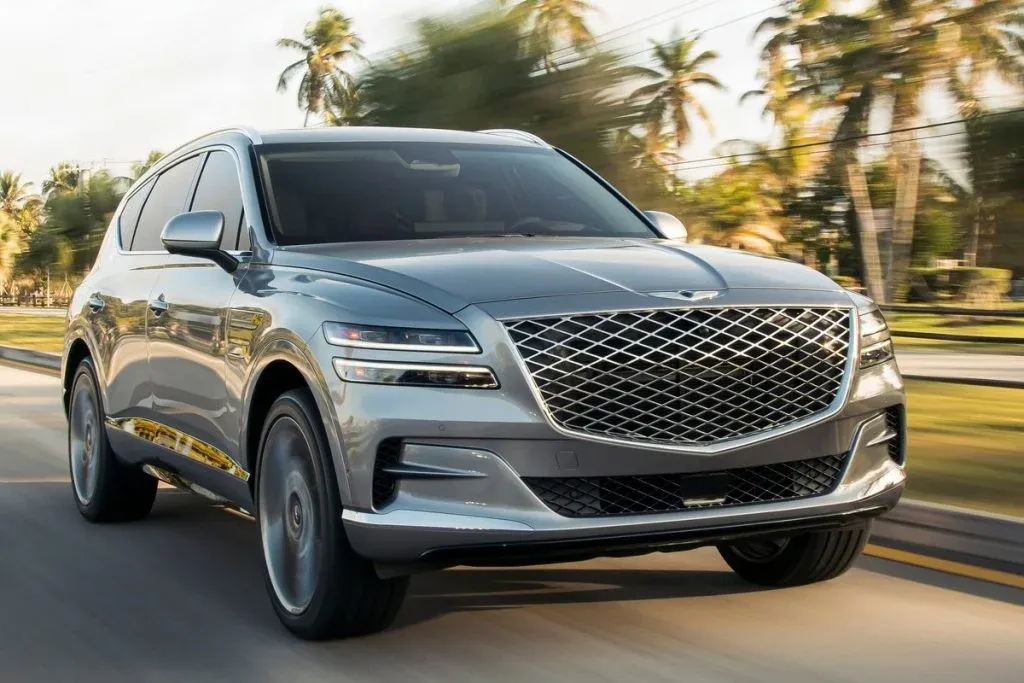
Genesis is bringing a hybrid drive into its model range for the first time. The GV80, of all models, is making the start: the brand’s large premium SUV. The decision is strategically understandable: in this class, many buyers expect performance, comfort, and range, but do not necessarily want to switch immediately to a purely electric car.
The new Genesis GV80 Hybrid is rated at 347 hp, which corresponds to around 352 PS. A fuel consumption figure of 28 mpg is being cited. Converted to European units, that corresponds to about 8.4 liters per 100 kilometers, although this figure is not directly comparable with WLTP figures. Whether and when the GV80 Hybrid will come to Europe or Germany has not yet been finally clarified. Prices, exact technical data, and equipment details for individual markets are also still pending.
Nevertheless, the new model is significant. Until now, Genesis had focused heavily on conventional combustion engines as well as fully electric vehicles. With a hybrid in the brand’s largest SUV, the manufacturer is responding to demand that continues to grow in the premium segment: many customers want lower consumption figures and electrified technology without having to adapt their everyday habits to charging infrastructure, charging times, or range planning.
Why the GV80 in particular?
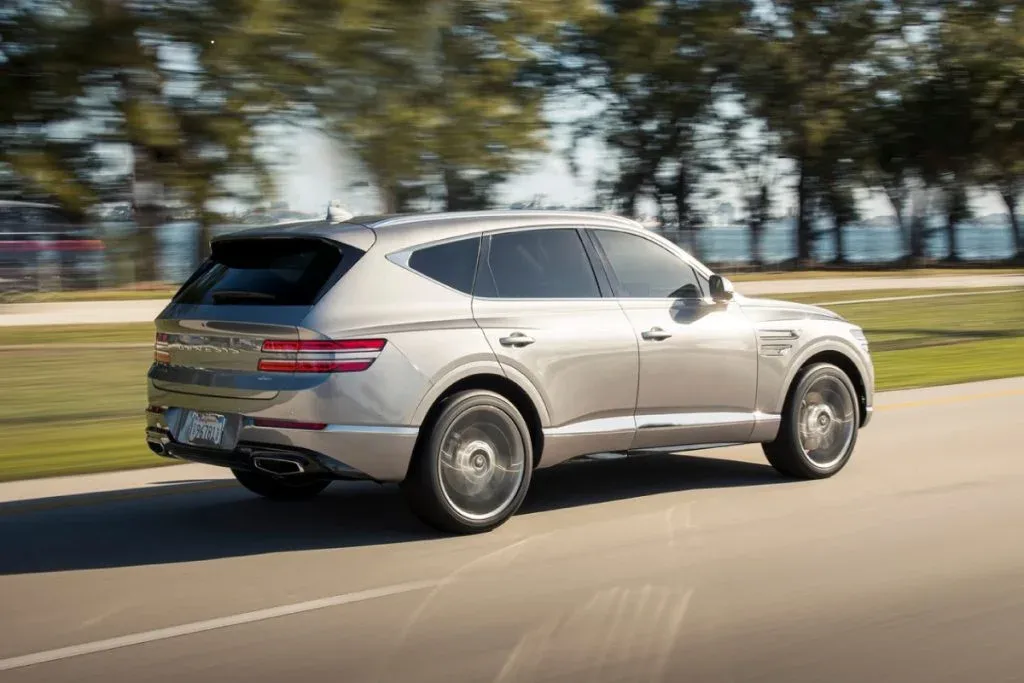
The GV80 is an important image carrier for Genesis. Large SUVs shape the premium business in North America, parts of Asia, and also in Europe. They are expensive, high-margin, and for many customers the most visible flagship of a brand. If Genesis places its first hybrid in this model series, it is more than just a technical addition. It shows that the brand sees hybrid technology not as a niche solution, but as a relevant building block for its core models.
A hybrid drive is particularly well suited to a large SUV. Such vehicles have high weight, a large frontal area, and often powerful engines. Especially in city traffic, when maneuvering, and at low speeds, electric assistance can help reduce fuel consumption. At the same time, the long-distance capability of a combustion engine is retained. For buyers who frequently drive long distances, tow trailers, or travel in regions with patchy charging infrastructure, this can be a convincing package.
The power output of 347 hp suggests that Genesis is not positioning the GV80 Hybrid as an economy version. Instead, the drive system is likely to underline the SUV’s premium aspirations: enough power for confident acceleration, combined with efficiency advantages over a conventional gasoline engine. The decisive factor will be how harmoniously the combustion engine, electric motor, and transmission work together. In the luxury segment in particular, it is not only consumption that counts, but also smooth running.
28 mpg: What the fuel consumption figure really means
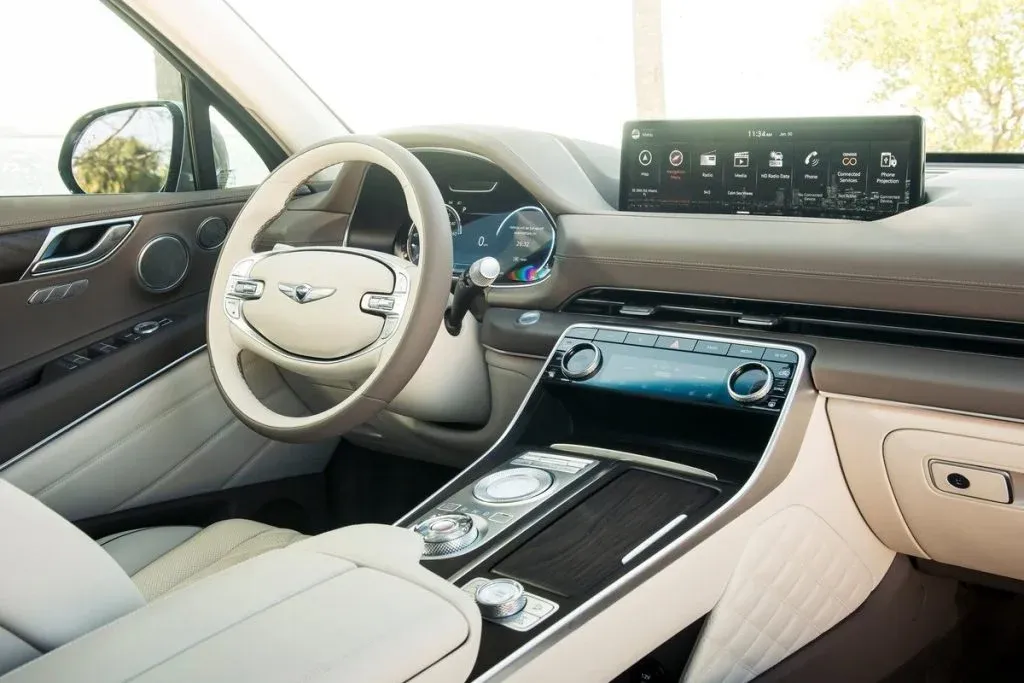
The figure of 28 mpg initially sounds respectable for a large premium SUV. Converted, that is around 8.4 l/100 km, assuming US gallons are used. For European buyers, however, it is important to note: consumption figures from different test cycles can only be compared to a limited extent. A later WLTP value could differ, as could real-world everyday consumption.
With hybrids, practical consumption depends particularly strongly on the driving profile. Those who drive a lot in the city, brake frequently, and use recuperation can make greater use of the electric share. On fast motorway sections, this advantage shrinks because the combustion engine takes over the main work for longer periods. Outside temperature, tires, load, and driving style also play a major role.
For owners of a large SUV, it is nevertheless relevant that hybrid technology can reduce consumption precisely where conventional gasoline engines are most inefficient. At the same time, refueling remains quick and familiar. This makes the GV80 Hybrid a possible alternative for customers who find an electric SUV interesting but are not yet ready to make the switch.
A signal to the industry
The introduction of the first Genesis hybrid fits into a broader industry trend. Many manufacturers have invested heavily in electric cars in recent years, but at the same time have found that the transition is progressing at different speeds depending on the region. Charging infrastructure, electricity prices, subsidy policy, and customer expectations are not developing the same way everywhere. Hybrids are therefore gaining importance again, especially in high-margin segments.
For Genesis, this is a pragmatic step. The brand can continue its electric strategy while also serving customers who still prefer a combustion engine today. This reduces the risk of losing buyers to competitors that already offer hybrid models in their SUV ranges. In the premium segment, choice counts: those who can choose between gasoline, hybrid, and electric are more likely to stay within the same brand.
A hybrid model can also be helpful for dealers. It is easier to explain than a fully electric vehicle, does not require comprehensive charging advice, and fits with existing service processes. At the same time, it conveys technological progress and can help fleet customers improve consumption or emissions targets.
What buyers should pay attention to now
Prospective buyers should pay attention to several open points before making a purchase decision. First, the final market launch is decisive. Not every globally presented model automatically comes to all regions. Second, price and equipment will determine whether the hybrid offers realistic added value compared with a conventional GV80. Third, it remains to be seen how large the efficiency improvement actually is in everyday use.
Another important question is what type of hybrid Genesis uses. Without complete technical data, it is not yet possible to conclusively assess whether the GV80 Hybrid is primarily designed for increased performance, reduced consumption, or both. Plug-in hybrid, full hybrid, and mild hybrid differ considerably in electric driving share, weight, costs, and benefits. The known consumption figure and the output point in a direction, but do not replace a complete technical assessment.
For enthusiasts, the GV80 Hybrid is nevertheless exciting because it shows how Genesis is expanding its powertrain strategy. The brand is not positioning itself solely through electric cars, but is seeking a broader solution for the transition phase. That is likely to be relevant above all in markets where large SUVs remain in demand, but buyers expect more efficient alternatives.
An important, but not yet fully tangible step
The Genesis GV80 Hybrid is not a radical break, but a logical expansion. With 347 hp, the large SUV remains powerful; with a stated 28 mpg, it promises more efficiency than a conventional gasoline engine of comparable size. For customers, precisely this mix could be attractive: premium comfort, a strong drive system, and less consumption anxiety than with a pure combustion engine – without orienting everyday life around charging infrastructure.
As long as prices, exact technology, and regional availability are missing, the assessment remains preliminary. But one thing is already clear: with the GV80 Hybrid, Genesis is sending an important signal. The brand’s future consists not only of combustion engines or electric cars, but increasingly of several powertrain paths in parallel. For buyers, that means more choice. For the industry, it is another example that electrification in the premium segment will not run only through purely electric cars.