Porsche switches to CO2 pool with Xpeng: What is behind the move
After the Volkswagen Group missed its CO2 fleet target, Porsche is seeking regulatory relief through an emissions pool with Xpeng. For customers, little will change in the short term; for the industry, the move is a signal.

Porsche seeks CO2 relief outside the VW pool
Porsche is realigning itself in meeting CO2 fleet requirements and is using an emissions pool with Xpeng to do so. The move follows a missed CO2 target by the Volkswagen Group for the year 2025. This leaves the group facing a possible burden of considerable size; a figure of around 1.7 billion dollars is mentioned. Porsche is expected to leave its previous joint emissions pool with Volkswagen and instead join forces with the Chinese electric car manufacturer Xpeng.
At first, that sounds like an unusual detour: Porsche still belongs to the Volkswagen Group, uses platforms, components and development networks within the group, and is strategically closely connected to the group. However, a CO2 pool is not an ownership or technology alliance, but a regulatory instrument. Manufacturers can have their fleet values calculated jointly. Those who sell many locally emission-free vehicles can thereby improve a partner's average. Those who sell a high proportion of powerful combustion-engine vehicles or plug-in hybrids with real CO2 values above the target path gain room to maneuver in this way.
Why emissions pools have become so important
In Europe, manufacturers are measured not only by what technology they offer, but also by which vehicles are actually registered. The decisive factor is the average CO2 emissions of the newly registered fleet. If a manufacturer or a pool is above the target value, penalty payments loom. The sanctions are designed in such a way that even a few grams of deviation can become expensive at high volumes.
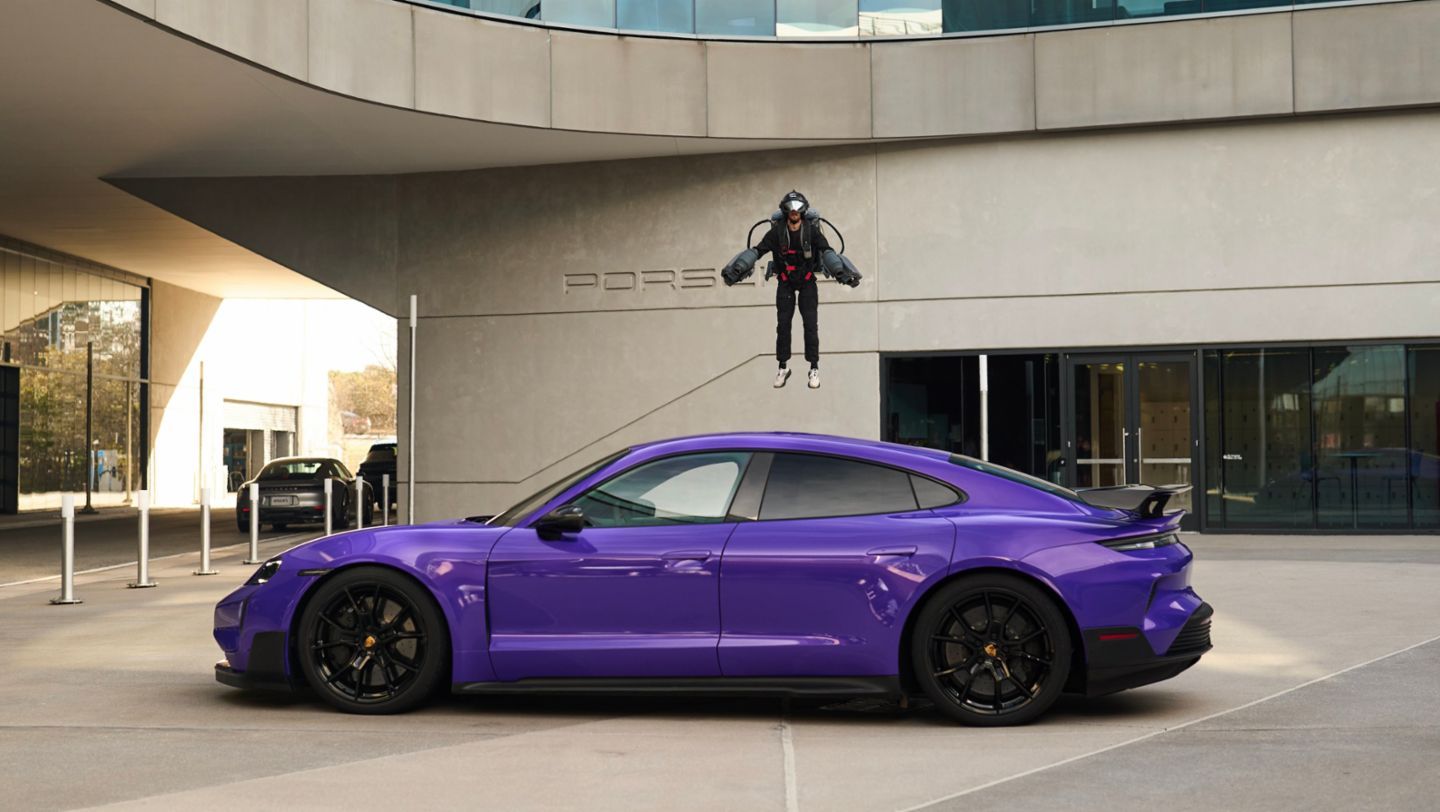
This is especially relevant for brands with a large share of SUVs, sports cars or luxury vehicles. Porsche does sell the Taycan, a fully electric car, and is expanding its electric model range, but it still earns strongly from models such as the 911, Cayenne, Panamera and Macan. Some of these are offered in electrified form, but high performance, vehicle weight and customer preferences make a rapid reduction in fleet consumption more difficult. At the same time, the European market for electric cars has been uneven for some time: subsidies have been cut, charging infrastructure remains regionally varied, and many customers are waiting longer when it comes to expensive models.
An emissions pool with a manufacturer whose new registrations are more strongly shaped by fully electric cars can close this gap. Xpeng fits this pattern. The company comes from China and is positioning itself in Europe with battery-electric vehicles, digital equipment and a comparatively strong technology focus. For Xpeng, such a pool can bring additional revenue without necessarily having to sell more cars. For Porsche, it can help avoid or reduce penalty payments.
What changes for Porsche customers
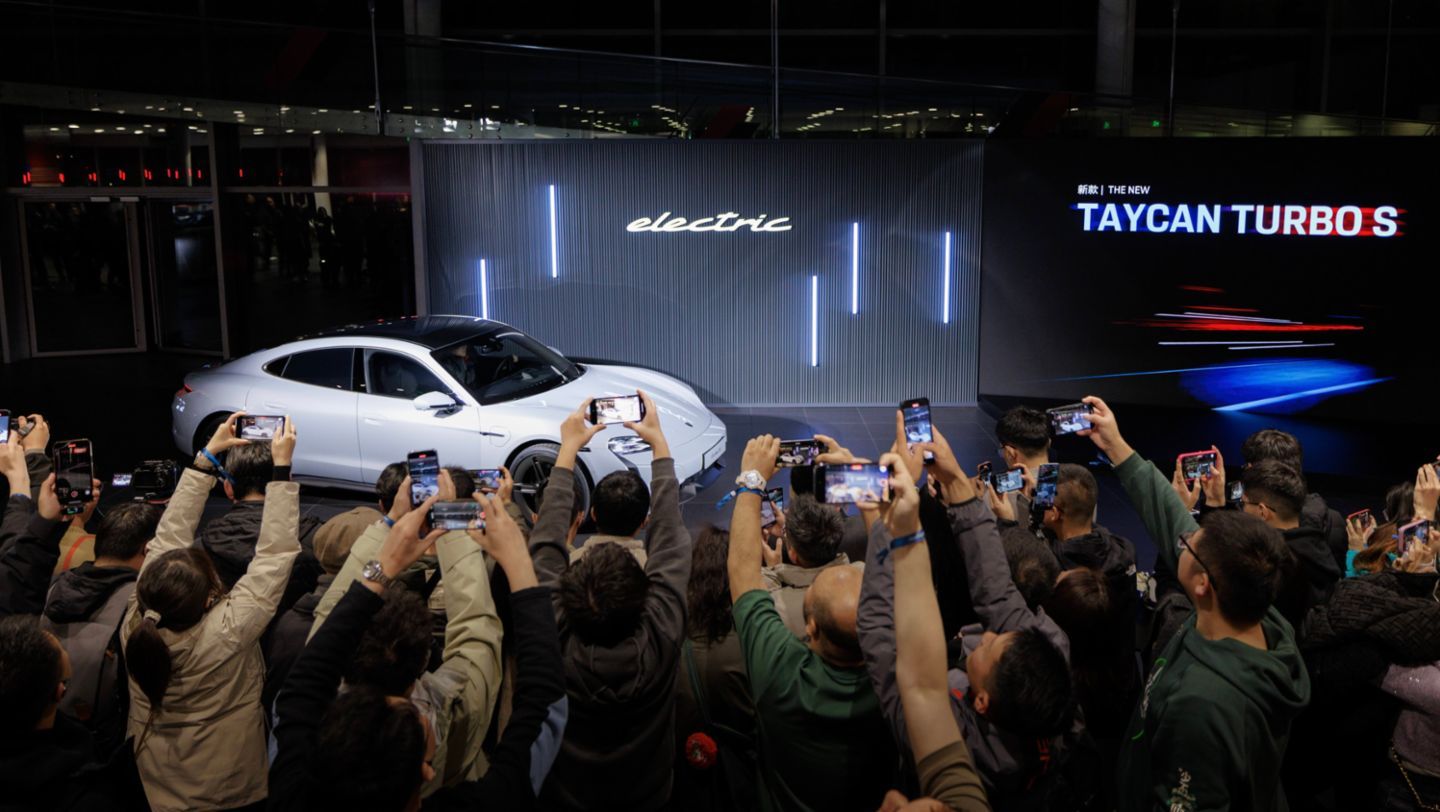
In the short term, probably little. A CO2 pooling agreement does not automatically mean that Porsche models will receive technology from Xpeng, that jointly developed vehicles will be created, or that dealer networks will be merged. Prices, warranties or service processes also do not change immediately as a result. Anyone ordering a 911, driving a Taycan or looking at the electric Macan will hardly notice the regulatory change in everyday life.
Nevertheless, the move is relevant for buyers. CO2 costs flow indirectly into vehicle prices, model policy and the question of which powertrains a manufacturer prioritizes. If penalty payments loom, this can weigh on margins or change the calculation for individual models. A successful pool gives a brand more time to implement its electric strategy without immediately having to cut every emissions-intensive model.
For enthusiasts, exactly this point is decisive. Porsche faces the balancing act of continuing traditional models with combustion engines while at the same time complying with stricter climate requirements. The 911 is a brand anchor whose emotional and economic effect extends far beyond its unit numbers. Such vehicles become more difficult from a regulatory perspective as long as they are not offset by a sufficiently large share of electric sales. Pooling is therefore also a way of keeping special combustion-engine models in the range for longer without having to balance the CO2 footprint solely through the company's own electric car registrations.
The move says a lot about Volkswagen
The fact that Porsche is seeking relief outside the previous VW pool makes the situation in the group visible. In recent years, Volkswagen has invested billions in electric platforms, battery technology and software. Nevertheless, the pace of market penetration apparently is not sufficient everywhere to reach fleet targets comfortably. The group continues to sell large numbers of combustion-engine vehicles, including SUVs, commercial vehicles and powerful models from various brands.
The challenge does not lie solely in the development of electric cars. With ID models, Audi e-tron series, Porsche Taycan and Macan Electric as well as other group vehicles, Volkswagen has a broad offering. But the decisive factor is the sales mix. If customers in larger numbers choose gasoline cars, diesels or only partially electrified models, the fleet average shifts. Especially in markets with fluctuating subsidy conditions, demand for electric cars can fall short of planning.
For the industry, this is a warning signal: It is not enough to have electric models in the showroom. Manufacturers must sell them in sufficient numbers, produce them profitably and position them in terms of price so that customers go along with the switch. CO2 pooling can help, but it is not a permanent substitute strategy for a competitive electric model range.
Why Xpeng in particular?
Xpeng is not yet as established among European buyers as traditional brands, but it is among the Chinese manufacturers that are seriously expanding exports to Europe. The vehicles are battery-electric, strongly software-oriented and compete in segments in which European manufacturers are also increasingly fighting for customers. For an emissions pool, what counts above all is the mathematical effect: Many fully electric vehicles reduce the average CO2 value.
The financial details of the Porsche-Xpeng pool are not known. It also remains open how large the concrete contribution to avoiding possible penalty payments will be and which markets exactly are covered. What is clear, however, is that such agreements have value. A manufacturer with CO2 credits can monetize this regulatory strength. A manufacturer with target risk can buy time and limit costs.
At the same time, the agreement shows how power relationships in the industry are shifting. Just a few years ago, Chinese electric car manufacturers in Europe were seen above all as challengers with low prices. By now, through high electric shares, they can also become regulatory partners for established premium manufacturers. That is a remarkable change of roles.
No substitute for real transformation
As useful as an emissions pool can be in the short term, it does not solve the fundamental problem. Porsche must increase its own electric volumes if the brand wants to become more independent of external CO2 credits in the long term. The Taycan has proven that Porsche can credibly interpret electric performance. The electric Macan is strategically even more important because SUV volume models influence the fleet average more strongly than exclusive sports cars.
At the same time, Porsche remains cautious because customers in different regions have very different expectations. In Europe, regulation strongly pushes toward electric drive. In other markets, combustion engines and hybrid models remain in demand. A global sports car and luxury car manufacturer therefore cannot align its product planning with only a single region.
For car buyers, this means: The coming years will be shaped less by an abrupt end to the combustion engine than by a complex mixed phase. Manufacturers will expand electric cars, technically refine combustion engines, use hybrid solutions and make use of regulatory instruments such as pooling. Prices, delivery times and model availability can thereby be indirectly influenced.
Why this news matters
The Porsche-Xpeng pool is more than a regulatory footnote. It shows how strongly CO2 targets now determine business decisions. Even a highly profitable premium brand within one of the world's largest car groups is seeking additional flexibility when the fleet mix does not match the target path.
For owners and buyers, this is no reason for concern, but it is an indication of where things are heading. Electric cars are becoming more important not only because of image, performance or operating costs, but because they are becoming the key to the entire model range for manufacturers. The better Taycan, Macan Electric and future electric models sell, the easier it will be for Porsche to continue offering iconic vehicles without coming under regulatory pressure.
For the industry, the message is even clearer: The competition for CO2 balances has long since become part of the competition for market share. Those who sell many electric cars gain not only customers, but also strategic room to maneuver. Those who fall behind the target values must pay, change course or look for partners.