Toyota uses hammer test on recalled Tundra V6 engines
For affected Toyota Tundra models, a plastic hammer is used in the workshop process. The unusual-sounding test is intended to provide clues about dangerous manufacturing residue in the V6 engine.
Unusual workshop procedure with a serious background
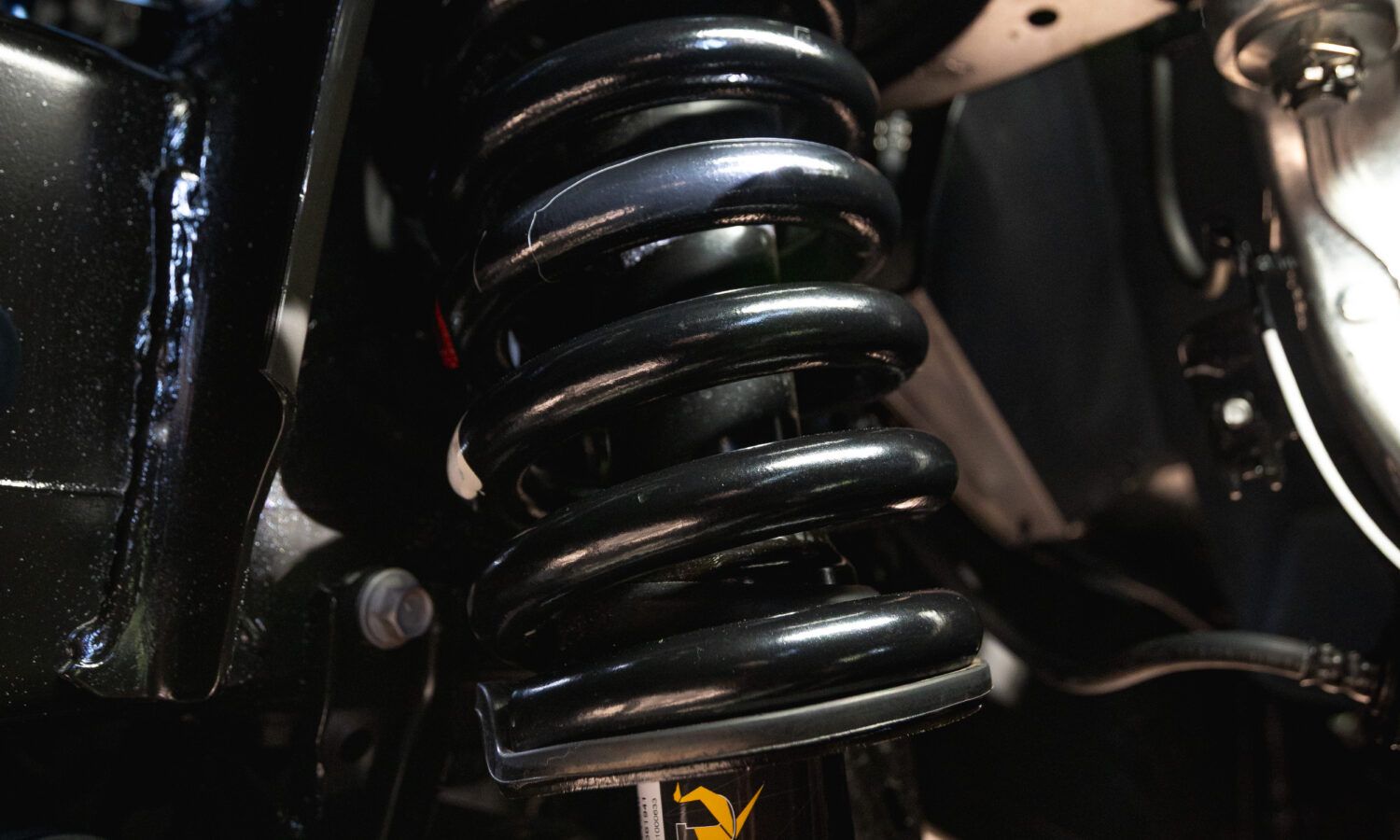
Toyota is apparently relying on a diagnostic method for inspecting recalled Tundra engines that, at first glance, sounds more like improvisation than modern vehicle technology: technicians are to use a plastic hammer to check certain V6 engines. The hammer is not a crude repair tool, but part of a defined workshop procedure. The aim is to detect signs of manufacturing residue in the engine that, in the worst case, could lead to serious engine damage.
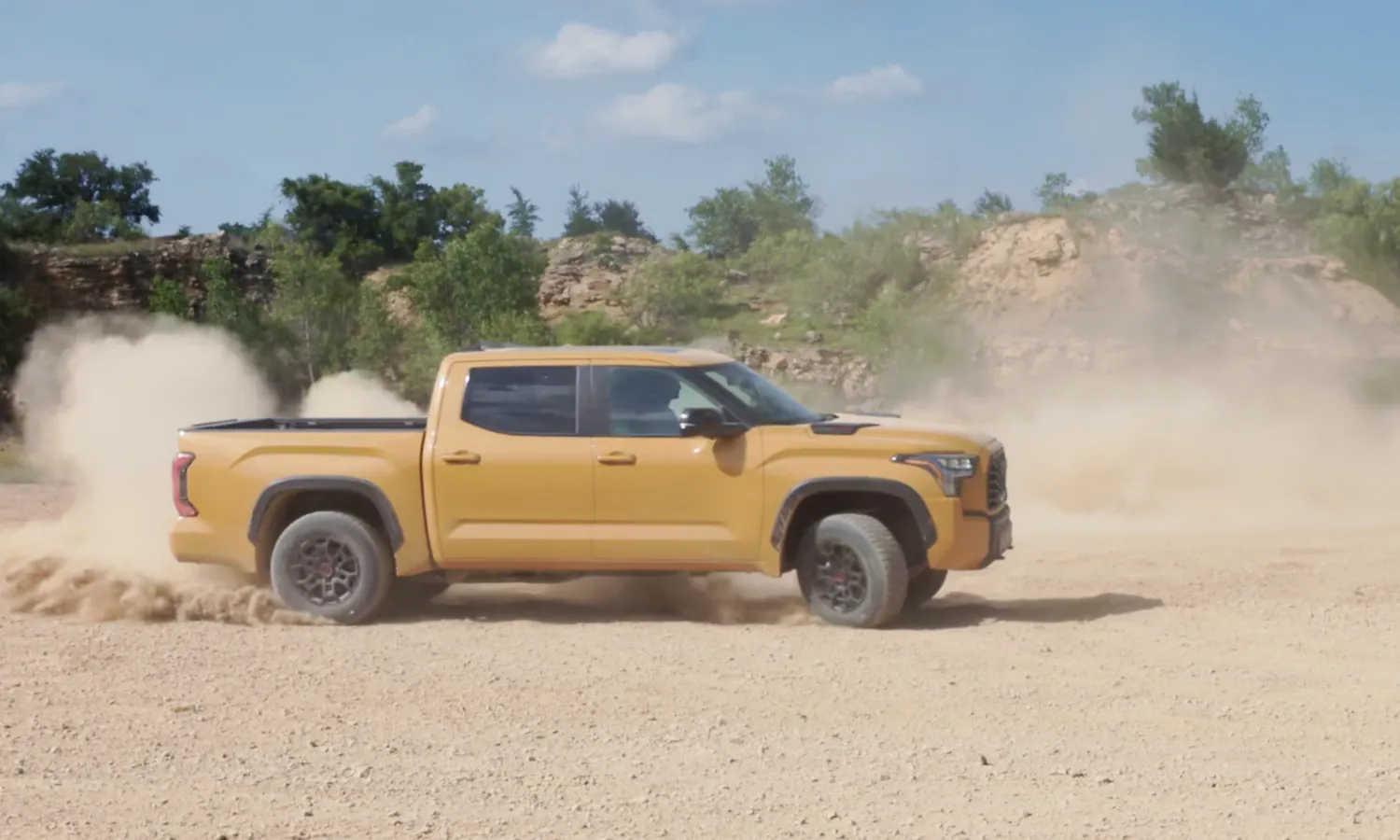
Affected is the Toyota Tundra, a large pickup for the North American market. The focus is on the modern V6 gasoline engine, which has replaced the earlier V8 in the current Tundra generations. For Toyota, this is particularly sensitive: in the U.S., the Tundra is an important model in the high-margin full-size pickup segment, and the switch from the large-displacement V8 to the turbocharged V6 was already a technological and image-related turning point.
What the hammer test is supposed to achieve
The workshop process that has now become known uses a plastic hammer, not a heavy metal tool. This is important because the aim is not to deform components or machine them mechanically. Rather, a controlled strike or targeted tapping is intended to help provoke or make detectable indications of problematic particles or residue inside the engine.
Such residue can arise during manufacturing, for example if tiny metal chips or other particles are not completely removed after machining steps. In an internal combustion engine, even small foreign bodies are potentially critical. They can impair oil passages, damage bearings, increase friction, or lead to unusual noises and later failures. Depending on the location and amount of the particles, an engine may run inconspicuously for a long time or show symptoms relatively early.
The plastic-hammer test is therefore less curious than it initially seems. Workshops have used controlled mechanical stimuli, knocking noises, stethoscopes, endoscopes, oil analyses, and electronic diagnostic procedures for decades to narrow down faults. What is new here is mainly the attention, because the procedure is taking place in the context of a recall and an expensive, complex engine is affected.
Why manufacturing residue is so problematic

Modern engines are built with very tight tolerances. Turbochargers, variable valve timing, high-pressure injection, and complex oil circuits leave less room for contamination than older, more simply designed units. A particle that might previously have ended up in the oil filter without consequences can today cause damage in a sensitive area before it is caught.
In the case of the Tundra V6, there is also the fact that the engine has to handle high loads. A full-size pickup is often used for towing heavy trailers, for transport, and on long journeys. Under such conditions, oil supply, bearing load, and temperature management are particularly important. If an engine has been pre-damaged by manufacturing residue, this can become noticeable more quickly under high load.
For owners, it is therefore crucial that the recall not be dismissed as a mere formality. Even if a vehicle currently drives normally, a prescribed inspection can make sense. Recalls are not only intended to remedy defects that are already visible, but also to reduce risks before they lead to breakdowns or consequential damage in everyday use.
What Tundra owners should pay attention to now
Tundra owners should check whether their vehicle falls under an ongoing recall or service action. This is usually done via the vehicle identification number. In the U.S., manufacturers and authorities provide corresponding online lookup tools; dealers also inform the owners of affected vehicles. For imported vehicles outside North America, it can be more complicated because not every market has an official Tundra sales structure. In such cases, a Toyota dealer or a workshop specializing in U.S. imports is the obvious point of contact.
Important: a recall does not automatically mean that every engine is already damaged. It means that an identified risk exists for certain vehicles and that Toyota has defined an inspection or repair procedure. The plastic-hammer test is apparently part of this diagnosis. What further steps follow depends on the specific inspection result and the respective workshop protocol.
Drivers should watch for warning signs without panicking. Unusual engine noises, rough running, loss of power, warning lights, oil problems, or starting difficulties should be clarified promptly. Anyone towing heavy trailers with a potentially affected vehicle or planning long journeys should, if possible, not postpone the recall inspection.
Significance for buyers and used-car prospects
For used-car buyers, the procedure is particularly relevant. A Tundra with an open recall may seem attractive, but proof of completed service actions becomes more important. Prospective buyers should not rely solely on verbal assurances, but should check documents: Has the vehicle already been inspected? Was there a repair? Was the engine replaced or only checked? Are all jobs traceable in the service history?
This also applies to imported pickups in Europe. The Tundra is not a mass-market model here, but it is popular among enthusiasts, tradespeople, and U.S.-car fans. Spare parts, warranty questions, and recall handling can involve more effort with imported vehicles. A cleanly documented vehicle is therefore significantly more valuable than one with an unclear history.
Residual values can also be affected. Recalls do not have to cause lasting damage if they are handled transparently and consistently. It becomes more problematic if many vehicles remain unchecked or if buyers get the impression that an engine issue has not been clearly resolved. In pickups that often work hard, trust in the powertrain matters especially strongly.
A test that touches Toyota's quality claim
Toyota lives worldwide from its reputation for reliability. For precisely that reason, an engine recall on an important model carries more weight than it would for manufacturers that are already associated with greater quality fluctuations. The Tundra is intended to compete in a segment in which customers traditionally expect high mileages, robust technology, and little downtime.
The case also shows how demanding the transition to more efficient internal combustion engines has become. Downsizing, turbocharging, and complex manufacturing bring advantages in performance and fuel consumption, but they also increase the requirements for production cleanliness and quality control. A single manufacturing process can have considerable consequences at high production volumes.
That Toyota is using a specific diagnostic procedure with a plastic hammer is therefore not just a curious workshop note. It is an example of how manufacturers try to detect potentially expensive engine damage in a targeted way without immediately repairing every vehicle in a maximally invasive manner across the board. For the industry, this is a balancing act: act quickly enough to protect customers, but inspect precisely enough to avoid unnecessary work.
Conclusion
The hammer test on the Toyota Tundra sounds unusual, but it stands for a serious technical issue. Manufacturing residue in a modern V6 engine can cause considerable damage if it remains undetected. For owners, what matters most now is checking recall information, keeping workshop appointments, and not ignoring unusual symptoms.
For buyers, the case is a reminder to pay close attention to service history and recall status when considering used Tundra models. For Toyota, this is about more than a single repair campaign: how the company handles the problem will help determine how customers assess the modern V6 Tundra in the long term.