Mercedes tests CLA battery protection in side crash
Mercedes collided two CLA production vehicles at 56 km/h each. The test was intended to show how the electric CLA and combustion-engine CLA protect occupants and the battery.
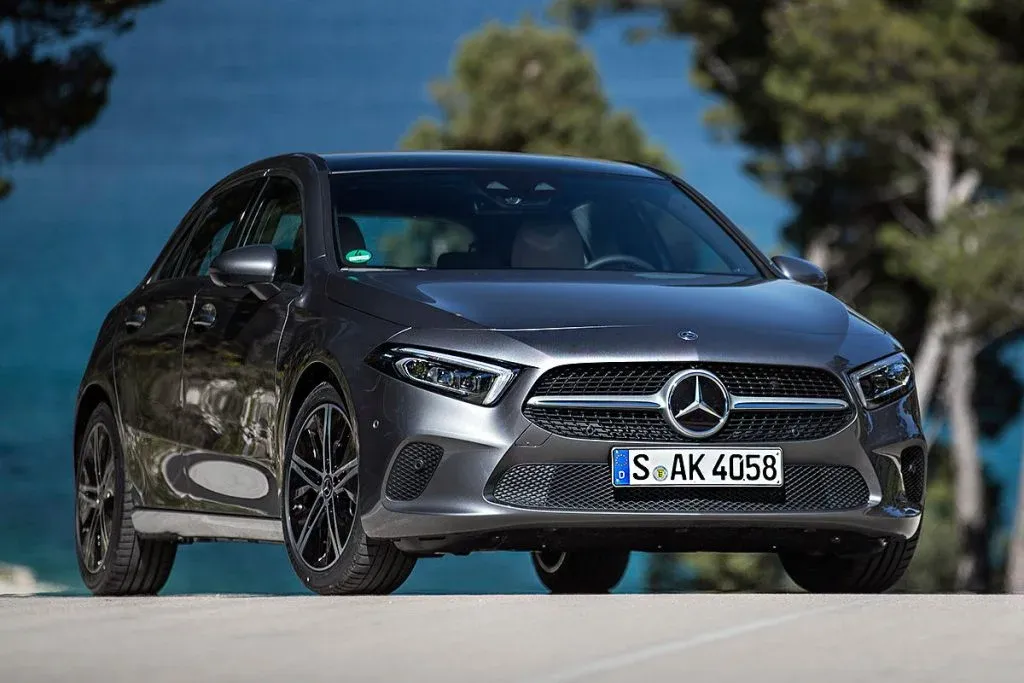
Mercedes has shown an unusually elaborate crash test with two CLA production vehicles at its Vehicle Safety Technology Center in Sindelfingen. A CLA Shooting Brake with a combustion engine struck an electric CLA from the side, roughly at the height of the B-pillar. Both vehicles were traveling at 56 km/h, with no braking before impact. With the test, Mercedes aimed to demonstrate how the two powertrain variants protect their occupants and how the electric CLA withstands the severe side impact, including the load on the high-voltage battery.
Side crash beyond mandatory programs
According to Mercedes, such a setup is neither legally required nor part of a safety rating such as Euro NCAP: two moving production vehicles, both weighing more than two tons, collide in an intersection scenario. Based on findings from Mercedes accident research, the selected speed is at the upper end of real-world intersection crashes. A hit to the side is especially critical because the struck vehicle has little room for deformation, while occupants and the battery still have to be protected. Four dummies sat in each car: a man and a woman in front, and two children in the rear. According to Mercedes, the measured values for all eight dummies remained below the biomechanical limits, indicating a low risk of serious or life-threatening injuries.
Immediately after the impact, the plant fire brigade inspected the wrecks. Emergency personnel checked the vehicles externally, measured temperatures with an infrared thermometer and looked for possible subsequent hazards. In the electric car, particular attention was paid to whether the battery showed any thermal abnormality. The crash site was then released; an employee additionally secured the high-voltage system. At the same time, sensors and high-speed cameras documented the impact, followed by photos and further examinations of the damaged vehicles.
Structure is designed to keep energy away from battery and occupants
In the electric CLA, a key protective element is located in the sill: a D-shaped aluminum profile with its curve facing outward. After the impact, this profile was deformed. Together with the B-pillar made of high-strength and ultra-high-strength steels, it is intended to absorb energy and shield the battery and occupants. The restraint systems also deployed selectively: in the side-struck electric CLA, the side airbags and center airbag were among those activated, while the front airbags also deployed in the Shooting Brake that hit it head-on. Mercedes also points to the development effort behind such results: around 15,000 accident simulations are run for every new model; up to 900 crash tests and 1,700 sled tests are carried out per year in the crash hall.