Audi, BMW and Mercedes continue combustion development for Euro 7
Audi, BMW and Mercedes are continuing to work on gasoline engines for stricter emissions rules. BMW has concrete plans, Mercedes is keeping the AMG V8 open, and Audi is examining the five-cylinder.
Audi, BMW and Mercedes are continuing to develop combustion engines, even though electric drive is becoming more important in their model ranges. The background is demand for high-performance model lines, differing market requirements and the upcoming Euro 7 emissions standard. It tightens requirements including particulate emissions and the durability of exhaust systems. For manufacturers, that means recalibrating injection, combustion, turbochargers, catalytic converters and particulate filters as an overall system — especially costly for engines built in low volumes.
Plans at BMW, Mercedes and Audi
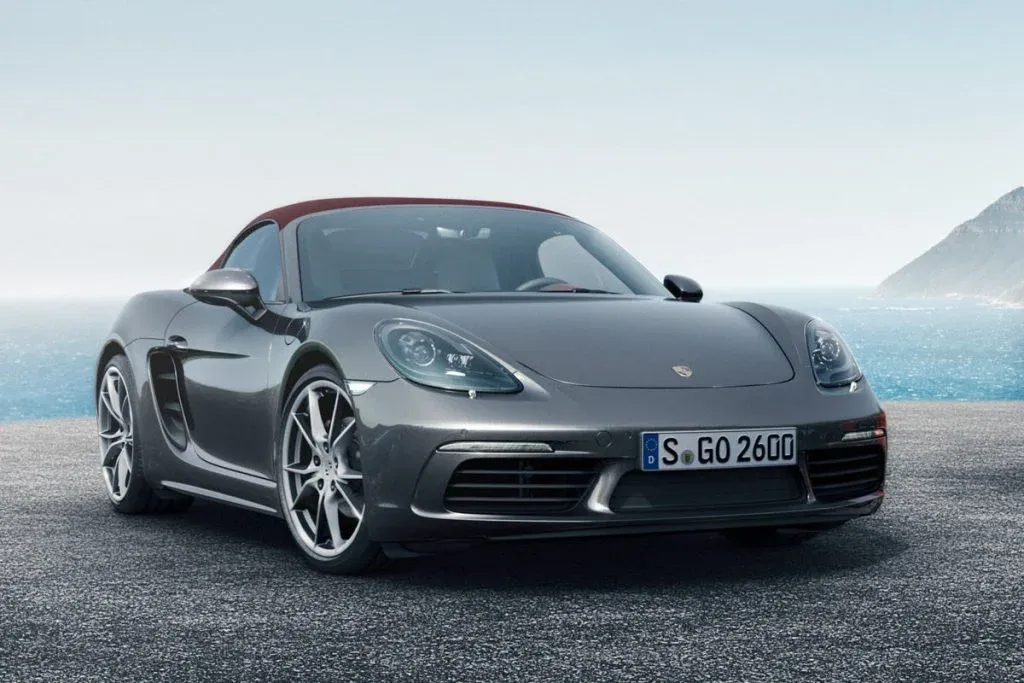
- BMW is sticking with gasoline engines from four-cylinder units to the inline-six. The M350 xDrive is due to launch in early 2027 with the 3.0-liter S58 six-cylinder, 48-volt mild-hybrid technology, 443 PS and 580 Nm. For sportier variants, BMW is working on M-Ignite technology with pre-chamber ignition. It is intended to make the S58 more efficient under high load, reduce fuel consumption and lower exhaust temperatures. The S68 twin-turbo V8 is also being further developed with the Miller combustion process and mild-hybrid technology.
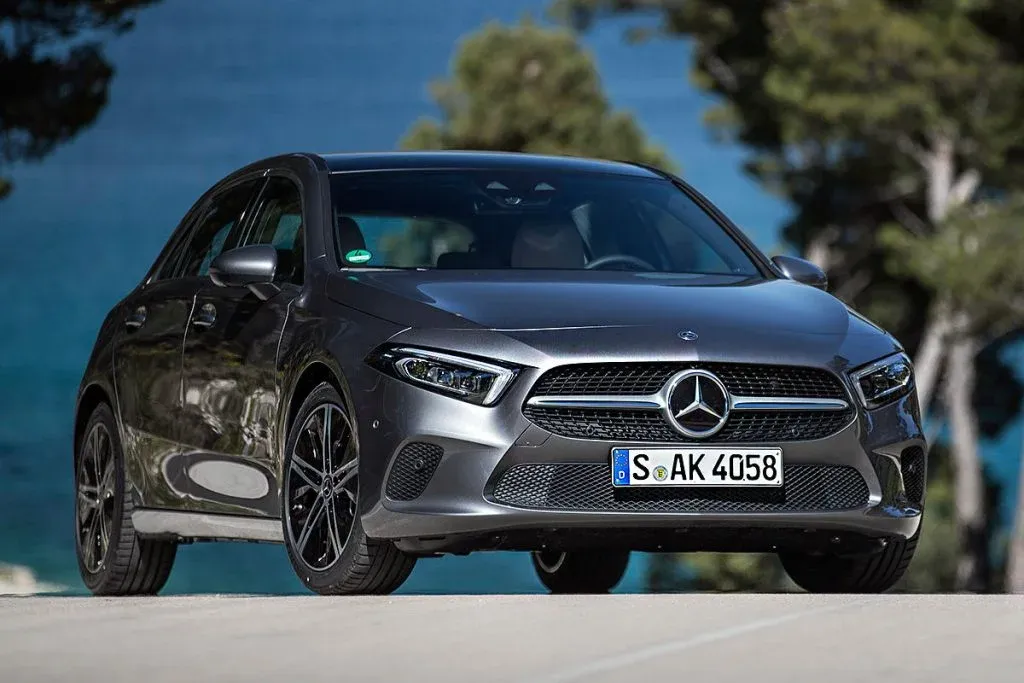
- Mercedes replaced the V8 in the C 63 with an electrified four-cylinder. Because many customers apparently missed the sound and character of the eight-cylinder, the door remains open for more powerful AMG models with a V8. CEO Ola Källenius said: “Don’t worry, the V8 lives on.” A further-developed engine with the internal designation M179 is expected; it is set to be based on the M177 Evo and meet Euro 7. Figures of more than 720 PS and a flat-plane crankshaft have not yet been confirmed.
- At Audi, the future of the five-cylinder is open. With RS 3 production expected to end in mid-2027, the 2.5-liter engine is also under review. Audi is apparently examining a Euro 7-compliant new version. The current RS 3 produces 400 PS. To continue it, Audi would have to adapt injection, combustion control and exhaust aftertreatment, among other things; with comparatively low volumes, the cost question also arises.
Toyota is also backing new combustion engines
Toyota is also continuing to invest in combustion engines and hybrid technology. A new 4.0-liter twin-turbo V8 with hybrid support is being developed for the GR GT. Turbochargers in the hot V and dry-sump lubrication are intended to prepare the engine for sports-car use. Market launch is planned for 2027, with output expected to be at least 650 PS and 850 Nm. In parallel, Toyota is pursuing the goal of becoming carbon-neutral across the entire vehicle life cycle by 2050. Alongside electrification, the group counts more efficient combustion engines, lower emissions in production and changes in the supply chain among the measures.
- For Europe, Toyota is proposing a vehicle category called VEEF, short for “Vehicles Exclusively Running on Eligible Fuels.” It refers to vehicles operated exclusively with approved renewable or carbon-neutral fuels. In regulation, the CO₂ balance of the fuel over its life cycle would then be considered, not just tailpipe emissions.
- Toyota, BMW, Bosch and Repsol are already testing renewable gasoline in Spain in a small fleet of around 20 vehicles. A digital system is intended to track whether the cars use only the designated fuel. However, the project does not change the open questions around the efficiency, availability and costs of such fuels.