
Mercedes and Nvidia explain Level 4 architecture
Mercedes-Benz and Nvidia describe the technical basis for future autonomous driving according to SAE Level 4. The focus is on redundancy, sensor diversity and an additional safety framework.
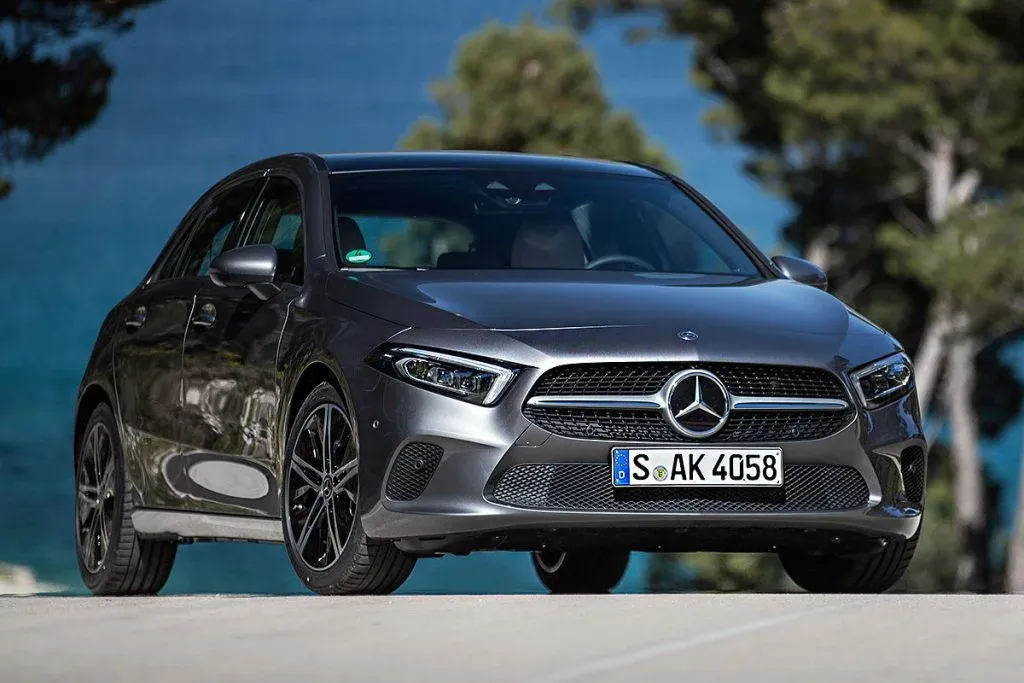
Mercedes-Benz and Nvidia have clarified their technical basis for future applications according to SAE Level 4. This does not announce an immediate activation of driverless driving in customer vehicles. Instead, it concerns an architecture that connects the MB.OS vehicle operating system with Nvidia’s Drive Hyperion in-vehicle computing and sensor platform. The Alpamayo Stack is intended to run on it as full-stack driving software; Nvidia Halos complements the package as a safety and redundancy framework.
Architecture instead of a single trick
The partners place the development on two levels: In the shorter term, advanced assistance functions are to be further developed, including urban point-to-point assistance, active safety and automated parking. In the longer term, the building blocks are also intended to enable applications according to SAE Level 4. This automation level means that the vehicle takes over the driving task completely, but only within defined operating conditions, such as in certain areas or under suitable weather and traffic conditions. Mercedes and Nvidia name robotaxi and chauffeur services as well as “robolimousines” as target applications. The companies do not name a series-production date; they refer to the coming decade.
- MB.OS serves as the vehicle and update platform for new driving functions and over-the-air updates.
- Drive Hyperion combines the computing platform and sensors as a coordinated reference architecture.
- Alpamayo is intended to use AI-based reasoning as driving software, meaning it assesses complex situations step by step and weighs up action options in real time.
- Nvidia Halos adds an additional safety framework intended to secure redundancy and validation across several layers.
Redundancy as the core point
Under this approach, Level 4 requires more than just greater computing power. The system must continue to operate in a controlled way even if individual components fail, sensors age or software behaves unexpectedly. Hyperion therefore relies on different sensor principles: cameras, radar and lidar are intended to back each other up and provide plausibility when one form of perception is weaker in a given situation. Hardware redundancy is added so the vehicle remains capable of action in the event of faults. Halos complements this approach with a “defense-in-depth” principle: alongside the AI-based driving function, an independent safety path is intended to exist that keeps the system within defined limits and intervenes conservatively if necessary.
The announcement therefore primarily describes a toolkit for future highly automated and autonomous systems. What matters is not individual AI functions, but the interaction of the vehicle platform, sensor and computing architecture, driving software, safety logic, validation and update capability. This protection is central especially for fleet applications such as robotaxis or chauffeur services, because Level 4 systems must not only master normal operation but also handle rare edge cases and failures in a controlled way.